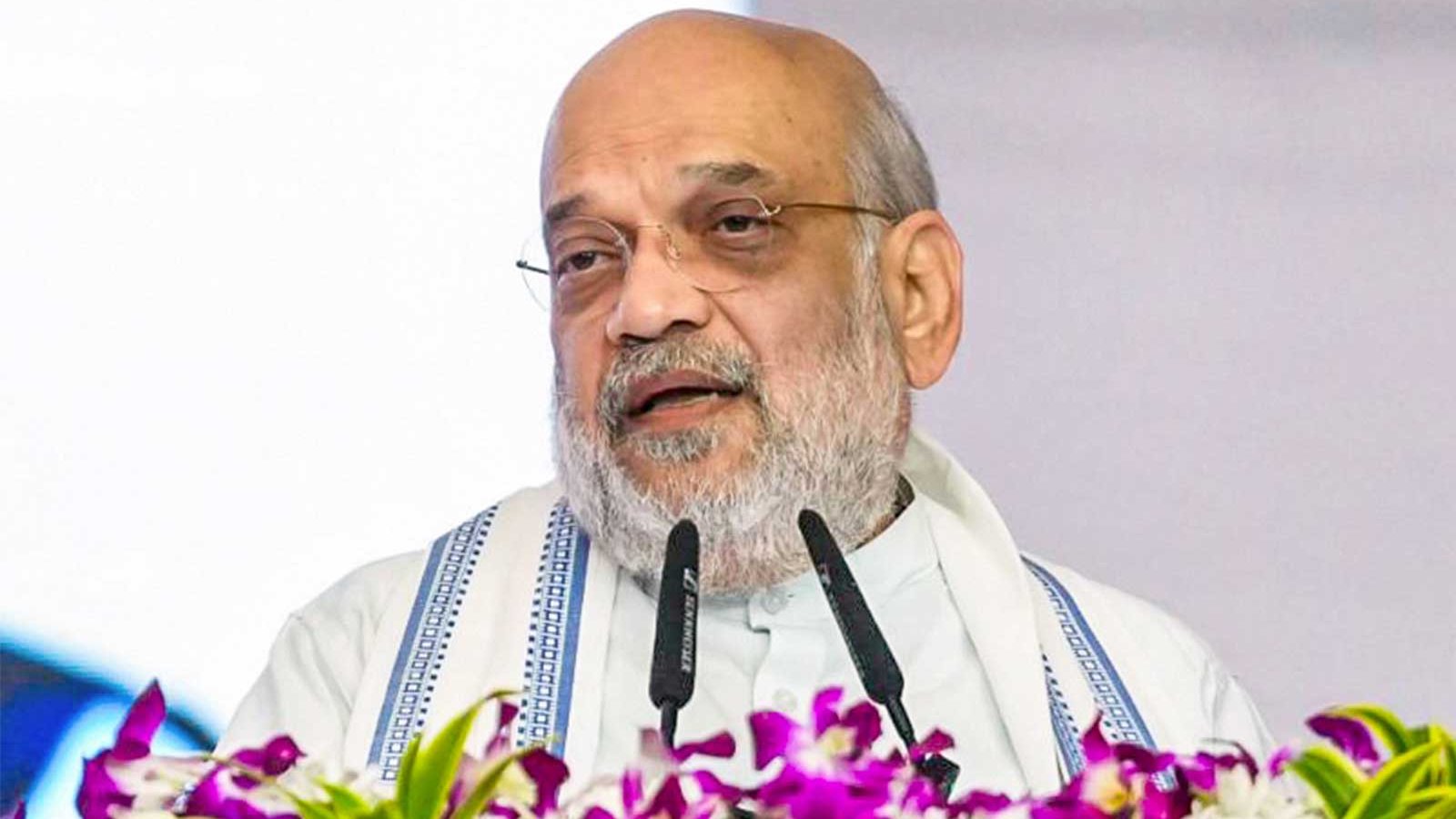
NEW DELHI, India — The Union Cabinet, chaired by Prime Minister Narendra Modi, has decided to establish a bench of the High Court of Jammu and Kashmir in Ladakh, Union Home Minister Amit Shah announced on Thursday, August 20. The J-K High Court bench in Ladakh is intended to make judicial services more accessible to residents, particularly those living in remote parts of the Union Territory.
Shah announced the Cabinet decision in a post on X, saying the new arrangement would reduce the time required for people in Ladakh to access legal services. He also linked the decision to the government’s broader commitment to Ladakh’s development and constitutional safeguards.
- The Union Cabinet has approved a High Court of Jammu and Kashmir bench in Ladakh.
- The move is aimed at improving access to justice for people in remote areas.
- Amit Shah said the arrangement would reduce the time required to access legal services.
- The announcement comes against the backdrop of Ladakh’s status as a separate Union Territory since 2019.
J-K High Court Bench in Ladakh to Improve Access to Justice
The proposed J-K High Court bench in Ladakh is expected to address the geographical challenges faced by residents seeking judicial services. Ladakh’s remote terrain can make access to institutions and services more difficult, making proximity to judicial facilities an important consideration.
Shah said the decision would “significantly enhance access to justice” for citizens in remote areas by reducing the time needed to avail themselves of legal services to which they are entitled.
The Union Cabinet, under the leadership of the PM Shri @narendramodi Ji, has decided to set up a bench of the High Court of Jammu and Kashmir in Ladakh.
Government Highlights Development and Constitutional Safeguards
Alongside the judicial access objective, Shah said the government remained committed to the all-round development of Ladakh and to ensuring constitutional safeguards for the Union Territory.
The announcement comes seven years after the Centre’s August 5, 2019 decision to abrogate Articles 370 and 35A, provisions that had provided special status to the erstwhile state of Jammu and Kashmir.
Ladakh’s Union Territory Status After 2019 Reorganisation
Following the 2019 constitutional changes, the former state of Jammu and Kashmir was reorganised into two Union Territories. Jammu and Kashmir was created as a Union Territory with a legislature, while Ladakh became a Union Territory without a legislature.
The establishment of a High Court bench in Ladakh adds a judicial-access measure to the institutional framework of the Union Territory. The Cabinet decision announced by Shah specifically focuses on reducing the distance and time involved in accessing legal services.
Cabinet Also Clears Major Infrastructure Projects
The announcement on the Ladakh judicial bench followed other major decisions taken by the Union Cabinet on Wednesday. The Cabinet Committee on Economic Affairs approved four railway multitracking projects covering West Bengal, Odisha, Andhra Pradesh and Tamil Nadu.
The railway projects have an estimated cost of Rs 9,450 crore and are aimed at strengthening connectivity across the four states.
The Cabinet also approved the upgradation of the Muzaffarpur-Sitamarhi-Sonbarsa section of NH-22 in Bihar to a four-lane standard. The project involves a capital investment of Rs 3,590.73 crore.
What the Ladakh Decision Means for Residents
The central objective of the decision is to bring High Court-level judicial access closer to people in Ladakh. For residents of remote areas, reducing the time required to reach judicial services could make the legal process more accessible.
Frequently Asked Questions
Why is a High Court bench being established in Ladakh?
According to Amit Shah’s announcement, the bench is intended to improve access to justice for citizens in remote areas of Ladakh and reduce the time required to access legal services.
When did Ladakh become a separate Union Territory?
Ladakh became a separate Union Territory following the reorganisation of the former state of Jammu and Kashmir in 2019. Unlike Jammu and Kashmir, Ladakh was created as a Union Territory without a legislature.
Next Steps for Judicial Access in Ladakh
The Cabinet’s approval marks the decision to establish the High Court of Jammu and Kashmir bench in Ladakh. The announcement places improved judicial accessibility alongside the government’s stated objectives of development and constitutional safeguards for the Union Territory.

Praveen Yadav is the Founder and Editor at The Nation Bulletin. With over 3 years of experience in digital journalism and news reporting, he covers national affairs, governance, and breaking current events with a commitment to factual accuracy and verified reporting.