New York City Mayor Zohran Mamdani has secured 1,000 discounted U.S. Open tickets for local residents, but the initiative has triggered debate over whether city leaders should focus on cultural access or more pressing affordability concerns.
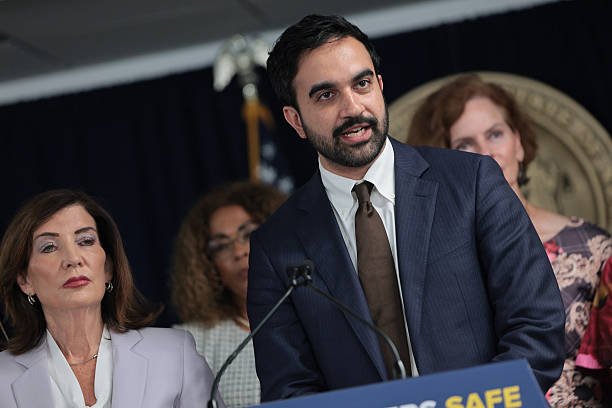
NEW YORK, United States — New York City Mayor Zohran Mamdani announced an agreement to make 1,000 U.S. Open tickets available to city residents for $100 each, a move aimed at improving access to one of the city’s biggest sporting events as resale prices continue to rise. The initiative, however, has generated criticism from some residents who argue that city leadership should prioritize economic challenges such as housing affordability.
Key Highlights
- New York City secured 1,000 U.S. Open tickets priced at $100 for local residents.
- The initiative was designed to address soaring secondary-market ticket prices.
- Critics questioned whether the effort should rank among the city’s priorities during an affordability crisis.
City Seeks to Expand Access to the U.S. Open
The mayor’s administration described the agreement as an effort to make a major international sporting event more accessible to ordinary New Yorkers. Officials said the discounted tickets would help residents attend the tournament without paying the significantly higher prices often seen on resale platforms.
According to the administration, the reserved tickets will be protected from secondary-market resale, ensuring they remain available to local fans rather than being purchased for profit.
Focus on Affordability in Sports and Culture
Mamdani has framed the initiative as part of a broader effort to increase public access to major events. The mayor stated that sports should be accessible to the public and pointed to previous efforts to secure more affordable access to future World Cup matches.
Supporters of the ticket program argue that high-profile sporting events contribute to civic life and should not become exclusive experiences available only to those able to pay premium prices.
Critics Raise Concerns Over Housing and Cost of Living
The announcement quickly drew criticism online, where some residents questioned whether discounted tennis tickets address the issues affecting New Yorkers most directly.
Critics highlighted the city’s housing challenges and rising living costs, arguing that many residents are more concerned about rent and household expenses than access to sporting events. The reaction reflected broader concerns about affordability and the pressures facing working-class families.
Debate Over Government Priorities
The differing responses have fueled a wider discussion about the role of local government and how political attention should be allocated.
City officials have argued that the ticket arrangement represents an effective use of the mayor’s influence because it increases public access to a major event without requiring direct spending on the tickets themselves. From this perspective, negotiating benefits for residents is part of the administration’s responsibility.
Opponents, however, contend that city leadership should devote its efforts primarily to long-term economic and housing issues. They argue that symbolic initiatives focused on leisure and entertainment may appear disconnected from the financial pressures many residents face.
Broader Questions About Civic Leadership
The debate surrounding the U.S. Open ticket initiative highlights competing views about what residents expect from local government. One side sees cultural access and community participation as important public goals, while the other emphasizes economic stability and affordability as more urgent priorities.
As the U.S. Open approaches, the ticket program has become more than a sports-related announcement. It has evolved into a broader conversation about public policy, quality of life and the balance between cultural opportunities and economic concerns in one of the world’s most expensive cities.

Praveen Yadav is the Founder and Editor at The Nation Bulletin. With over 3 years of experience in digital journalism and news reporting, he covers national affairs, governance, and breaking current events with a commitment to factual accuracy and verified reporting.