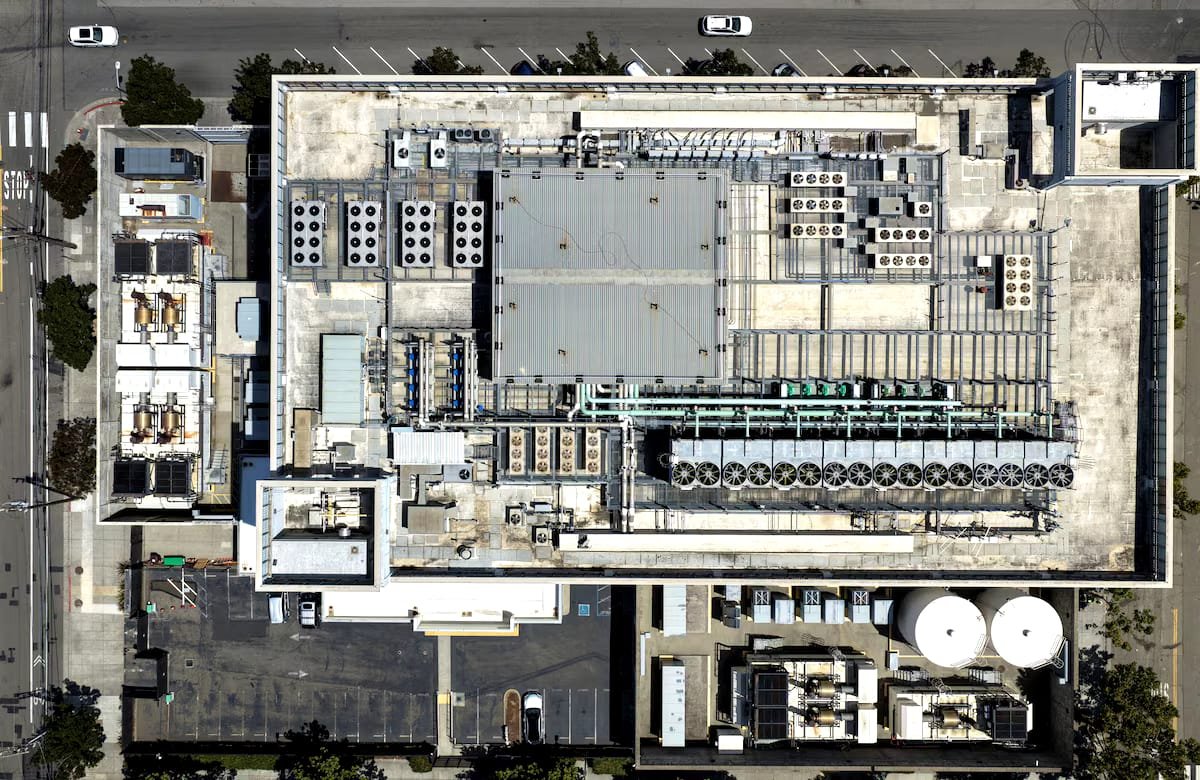
The Trump administration is preparing new restrictions that could block the import of certain Chinese-made data center components into the United States, according to Reuters. The proposed measure is aimed at strengthening the security of infrastructure that powers artificial intelligence systems and preventing potential cybersecurity risks linked to foreign technology.
People familiar with the matter told Reuters that the Federal Communications Commission (FCC) is working on rules that would prohibit imports of new models of Chinese optical transceivers. These components play a critical role in modern data centers by enabling high-speed data transmission through fiber-optic networks. Officials involved in the process hope to publish the measure later this year, although sources cautioned that the proposal could still be revised or withdrawn before it becomes official.
Proposal Focuses on Securing Critical AI Infrastructure
The draft policy reflects growing concern within the U.S. government over the security of data centers, which have become increasingly important as artificial intelligence adoption accelerates. These facilities host the advanced computing hardware used to develop, train and operate AI models, making them a strategic part of the country’s digital infrastructure.
According to the report, U.S. officials are seeking to prevent Chinese technology from becoming deeply embedded in the country’s AI supply chain. The administration believes limiting the use of certain imported networking equipment could reduce the risk of sensitive data being accessed, malware being introduced into critical systems or disruptions affecting essential digital services.
The proposed restrictions would specifically target new models of Chinese optical transceivers rather than all existing equipment already operating in U.S. facilities. Sources familiar with the discussions said the FCC is considering a framework similar to previous national security measures introduced against other categories of Chinese technology products.
Industry Experts Cite Supply Chain Security Concerns
Cybersecurity and technology policy experts say securing the supply chain at an early stage is becoming increasingly important as billions of dollars continue to flow into AI infrastructure. Divyansh Kaushik, an AI policy expert at Washington-based advisory firm Beacon Global Strategies, said optical transceivers represent an important security consideration because they form part of the communication backbone inside data centers.
“Transceivers definitely pose a risk. As the data center buildout scales up, you want to make sure the data center supply chain is secure from the get-go,” Kaushik said.
The proposed action represents another step in the broader U.S. effort to reduce dependence on Chinese technology in sectors considered strategically important. Over recent years, Washington has introduced a series of measures targeting telecommunications equipment, drones, networking hardware and other products viewed as potential national security concerns.
Chinese Embassy Warns of Possible Response
China reacted cautiously to reports of the proposed restrictions. The Chinese Embassy in Washington urged the United States to avoid measures that it believes unfairly target Chinese companies and called on American authorities to consider the views of businesses operating in both countries.
“China will take all necessary measures in response to any action that causes material harm to its interests,” the embassy said in a statement, while urging the United States to stop what it described as actions that threaten Chinese companies with sanctions.
The White House and the FCC did not immediately respond to Reuters’ requests for comment regarding the proposed policy. Because discussions remain ongoing, officials have not publicly confirmed when a final decision will be announced or whether the proposal will be implemented without changes.
Market Reacts to Reports of Proposed Restrictions
News of the potential import ban quickly influenced investor sentiment. Shares of several U.S.-based manufacturers of optical networking equipment rose after Reuters reported on the administration’s plans, reflecting expectations that domestic producers could benefit if Chinese competitors face new barriers in the American market.
Chinese Supplier Could Face Significant Impact
If the proposal moves forward, one of the companies expected to be affected is Zhongji Innolight, a major Chinese manufacturer of optical transceivers. The company holds an estimated 27% share of the global data center transceiver market, according to Counterpoint Research, making it one of the industry’s largest suppliers.
Reuters reported that Zhongji Innolight was added to the Pentagon’s list of alleged Chinese military-backed companies in June. While inclusion on the list does not automatically trigger sanctions, it is often viewed as a signal that additional restrictions could follow. The company did not respond to Reuters’ request for comment.

Cloud Providers Could Face Higher Equipment Costs
The proposed restrictions may also have consequences for major U.S. cloud computing companies that rely on optical networking equipment to expand data center capacity. Reuters reported that businesses such as Amazon Web Services could face increased costs if they are required to source components from alternative manufacturers instead of Chinese suppliers.
Industry analysts note that American companies including Coherent and Lumentum manufacture competing technologies, but reports suggest they currently do not have the production scale needed to immediately replace Chinese suppliers across the global market. Counterpoint Research data cited by Reuters also indicates that Zhongji Innolight generates around 90% of its revenue from customers outside China, highlighting its strong international presence.
Policy Reflects Broader US Strategy on Technology Security
The latest proposal follows years of growing concern in Washington over the role of Chinese technology in critical infrastructure. Officials within the administration are seeking to avoid a repeat of the situation involving Huawei, whose telecommunications equipment became deeply embedded in networks before extensive restrictions were introduced. Removing that equipment later proved costly and time-consuming.
During his first term, President Donald Trump frequently raised concerns over intellectual property theft and alleged state-sponsored espionage involving Chinese technology companies, allegations that Huawei has consistently denied. Although trade relations between Washington and Beijing have evolved since then, the administration has continued pursuing measures aimed at reducing potential security risks within sensitive technology sectors.
FCC Expands Restrictions Across Multiple Technology Sectors
The Federal Communications Commission has increasingly used its authority to restrict products that officials believe could present national security concerns. Reuters noted that the agency has already introduced measures affecting Chinese drones, routers, robots and power inverters through its Covered List framework, which was established by Congress to limit future sales of equipment from companies considered security risks.
According to sources familiar with the discussions, the proposed transceiver policy would follow a similar model by blocking imports of new Chinese-made products while allowing exemptions for many manufacturers based outside China. The approach is intended to strengthen supply chain security without disrupting equipment from alternative international suppliers.
Uncertainty Remains Before Final Decision
Despite ongoing preparations, the proposed restriction has not yet been finalised. Sources told Reuters that the FCC could still modify key provisions or decide not to proceed with the measure. Any final rule would be subject to the agency’s regulatory process before taking effect.
The proposal nevertheless highlights the increasing importance of securing digital infrastructure as artificial intelligence investment accelerates across the United States. With demand for advanced data centers continuing to grow, policymakers are placing greater emphasis on reducing potential vulnerabilities within the technology supply chain while balancing the economic impact on businesses that depend on global hardware manufacturers.
If approved, the measure would represent another significant step in the United States’ broader effort to reshape technology supply chains around national security considerations, while adding a new dimension to the ongoing competition between Washington and Beijing over advanced technologies that support the next generation of AI development.

Praveen Yadav is the Founder and Editor at The Nation Bulletin. With over 3 years of experience in digital journalism and news reporting, he covers national affairs, governance, and breaking current events with a commitment to factual accuracy and verified reporting.