The Greater Noida-Delhi sleeper bus gang rape case has raised serious questions over passenger safety, vehicle monitoring and enforcement after a 16-year-old student was allegedly assaulted inside a moving private bus on August 4, 2026.
A 16-year-old Class 11 student from Uttar Pradesh’s Mainpuri district was allegedly gang-raped inside a private sleeper bus while travelling from Greater Noida towards Delhi. According to the supplied investigation material, the teenager had left home for family-related reasons and was trying to reach relatives in Noida Sector 63 when heavy rain and darkness caused her to lose her way at Pari Chowk.
The bus driver Kuldeep and conductor Sandeep allegedly offered to drop her at her destination. Instead, the two allegedly assaulted her during the approximately 47-kilometre journey before leaving her beside the Ring Road near Kashmere Gate bus terminal.
Key Highlights
- The alleged crime took place on the night of August 4, 2026, inside a moving private sleeper bus travelling from Greater Noida towards Delhi.
- The victim is identified in the supplied material as a 16-year-old Class 11 student from Mainpuri, Uttar Pradesh.
- Police arrested the two accused within four hours by tracking CCTV footage and identifying the bus at the Timarpur bus parking area.
- The bus was seized and sent for forensic examination, with biological evidence, hair samples, fingerprints and other material collected during the investigation.
- The case was registered under provisions of the Bharatiya Nyaya Sanhita (BNS) and the Protection of Children from Sexual Offences (POCSO) Act.
- The investigation also highlighted alleged violations involving dark sleeper curtains, missing safety equipment and previous traffic challans.
How the Greater Noida-Delhi sleeper bus case unfolded
| Time / Stage | Location | Reported development |
|---|---|---|
| 9:00–9:30 PM | Pari Chowk, Greater Noida | Heavy rain and darkness reportedly caused the student to get off at Pari Chowk. An empty sleeper bus stopped and the driver and conductor allegedly offered to take her to Sector 63. |
| 9:30–11:00 PM | Noida Expressway towards Delhi | According to the supplied investigation, the conductor allegedly began sexually assaulting the student, followed by the driver, while the bus continued towards Delhi. |
| Around 11:15 PM | Ring Road near Kashmere Gate | The accused allegedly left the victim beside the road near the Kashmere Gate bus terminal and travelled towards Timarpur parking. |
| Around 11:30 PM | Kashmere Gate police station | The victim reached the police station and reported the incident. Police initiated medical examination and counselling procedures. |
| Within four hours | Timarpur bus parking | Police used CCTV tracking to identify the bus, arrested both accused and seized the vehicle for forensic examination. |
The 47-km route and the bus involved
The reported transit corridor ran from the Surajpur workshop in Greater Noida through Pari Chowk, the Noida-Greater Noida Expressway and the Sector 63 link before crossing the Delhi-Noida border and continuing along Ring Road towards Kashmere Gate and Timarpur.
The vehicle was identified as a private sleeper bus operated by Vishwanath Travels. It was reportedly not running a regular passenger service at the time. Instead, the bus had been moved from a workshop in Surajpur after repair and renovation work and was being taken towards a parking facility in Timarpur, North Delhi.
Investigators reportedly found thick, dark curtains covering the sleeper-bus windows. The supplied material says the curtains significantly restricted visibility from outside while heavy rain further reduced the ability to see activity inside the vehicle.
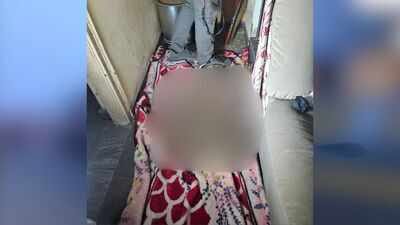
Police and forensic personnel reportedly found a sheet spread in the aisle between the two sleeper rows and a blanket near the steering area. These items were examined as part of the investigation into where the alleged assault occurred.
Police investigation and evidence collected
The North Delhi police investigation was led by DCP North Niharika Bhatt. The supplied material says officers began legal action without allowing a jurisdiction dispute to delay the initial response.
| Investigation element | Details provided in the case material |
|---|---|
| Accused 1 | Kuldeep, 39, identified as the bus driver and a resident of Ladpur Paith, Derapur, Kanpur Dehat |
| Accused 2 | Sandeep, identified as the conductor and aged 26/29 in the supplied material, a resident of Ghatampur, Kanpur Nagar |
| Legal provisions | BNS Section 70(2), along with provisions concerning kidnapping, assault and the POCSO Act |
| Forensic material | Hair samples, biological evidence, the sheet found in the aisle, fingerprints and digital CCTV data |
| Victim support | Medical examination, counselling and production before the Child Welfare Committee, followed by handover to her father |
The supplied material states that the medical examination confirmed rape. Following the required procedures, the victim was presented before the Child Welfare Committee and subsequently handed over to her father.
What the case reveals about bus safety measures
The investigation has also drawn attention to the safety systems expected on commercial passenger vehicles operating in the Delhi-NCR region.
The supplied material alleges that the bus had dark curtains that violated visibility requirements attributed to Supreme Court directions concerning commercial passenger vehicles. It also states that vehicle-tracking systems, panic buttons and functioning CCTV cameras required under post-2012 safety measures were not present in the bus.
The operator reportedly cited ongoing renovation and painting work as an explanation for the absence or non-functioning status of some safety equipment.
Previous traffic violations and monitoring gaps
Investigators reportedly found 11 pending challans against the bus relating to issues including speeding and operation without a permit. During 21 days in July 2026 alone, the supplied material says eight challans totalling ₹54,000 were issued.
The vehicle also travelled across multiple administrative boundaries, police checkpoints and the Delhi-Noida border during the reported journey. The fact that an empty private sleeper bus with covered windows crossed these points without an apparent physical check has raised questions in the supplied analysis about night-time monitoring and inter-state commercial vehicle enforcement.
Legal provisions in the case
The case has been registered under the Bharatiya Nyaya Sanhita and provisions of the POCSO Act. The supplied material identifies BNS Section 70(2) as the provision concerning gang rape of a victim below 18 years of age and states that it carries punishment of imprisonment for the remainder of the offender’s natural life or the death penalty.
The material also identifies alleged offences involving kidnapping and assault alongside the sexual-offence provisions. The exact charges and their application will form part of the ongoing legal process.
How the case differs from the 2012 Nirbhaya case
| Comparison point | 2012 Nirbhaya case | 2026 Kashmere Gate bus case |
|---|---|---|
| Vehicle | Privately operated chartered bus | Private sleeper bus being moved from a workshop |
| Reported entry | Entry into the bus after being offered a lift | Student was allegedly offered transport to reach her destination |
| Vehicle environment | Curtains and limited visibility were part of the reported circumstances | Sleeper-bus curtains reportedly obstructed outside visibility |
| Police response | The supplied comparison highlights initial jurisdiction and delay issues | Police registered the case promptly and arrested the accused within four hours |
| Legal framework | Indian Penal Code was applicable at the time | BNS and POCSO provisions apply to the 2026 case |
Safety reforms highlighted by the investigation
The supplied analysis identifies several measures that could strengthen monitoring of commercial and private buses in the NCR. These include using automatic number plate recognition and e-challan data to flag vehicles with repeated violations or fitness concerns at toll plazas and border points.
It also recommends mandatory digital logs and route passes for buses travelling empty between workshops and parking facilities. Random night-time checks on highways and expressways are proposed for sleeper buses with covered windows or other circumstances considered suspicious.
Another recommendation is greater accountability for transport operators when mandatory safety equipment such as GPS or CCTV systems is found to be inactive, extending scrutiny beyond the driver to vehicle owners and transport companies.
Frequently Asked Questions
When did the Greater Noida-Delhi sleeper bus case occur?
The reported incident occurred on the night of August 4, 2026, during a journey from Pari Chowk in Greater Noida towards Delhi.
Where was the victim allegedly assaulted?
According to the supplied investigation material, the alleged assault took place inside the moving private sleeper bus during its approximately 47-kilometre journey towards Kashmere Gate.
How quickly were the accused arrested?
The two accused were reportedly arrested within four hours after police used CCTV tracking to identify the bus at Timarpur bus parking.
Which laws have been invoked?
The case involves provisions of the Bharatiya Nyaya Sanhita, including Section 70(2), as well as provisions of the POCSO Act and offences identified in the supplied material involving kidnapping and assault.
What safety issues were identified with the bus?
The investigation material points to dark sleeper curtains, an absence of required GPS, panic-button and CCTV systems, and a history of traffic challans associated with the vehicle.
The investigation has therefore placed two issues alongside each other: the immediate criminal case against the arrested accused and wider questions about how commercial buses are monitored while moving through the Delhi-NCR road network. The seized bus has been sent for forensic examination, while the legal proceedings continue under the provisions cited in the case material.

Sonu Yaduvanshi is a Senior Content Specialist and Digital News Editor at The Nation Bulletin with over 5 years of editorial experience. He specializes in government recruitments, competitive exams, public policy, and national affairs, focusing on source-verified reporting and factual clarity for readers.