India has clarified that it has neither offered concessions nor made any commitments to the United States regarding ethanol imports for fuel blending as part of the ongoing bilateral trade negotiations. The Commerce Department said on Thursday that ethanol used under the country’s fuel blending programme continues to be sourced entirely from domestic producers, dismissing reports that suggested India was planning large-scale imports from the US.
The clarification comes as discussions over an interim trade agreement between India and the US continue, with ethanol emerging as a subject of public debate following reports linking the negotiations to possible changes in India’s fuel procurement policy.
Commerce Department Rejects Reports of US Fuel Ethanol Imports
In its statement, the Commerce Department said India’s ethanol procurement policy remains unchanged and is guided exclusively by domestic requirements. It stressed that there is currently no import of ethanol from the United States for blending with petrol under the Ethanol Blended with Petrol Programme.
The department also described claims that India had agreed to permit large-scale imports of fuel ethanol from the US as misleading. According to the statement, the existing domestic policy framework ensures that ethanol supplied for the national blending programme is sourced entirely from producers within India.
The government reiterated that the country’s fuel blending initiative continues to operate under its established policy, with no change linked to the ongoing trade negotiations between the two countries.
Debate Over E20 Fuel Policy Continues
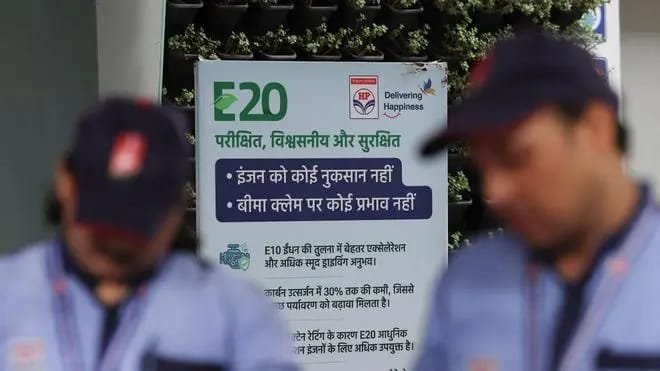
The clarification comes against the backdrop of continuing discussions surrounding the government’s decision to promote E20, a petrol blend containing 20 per cent ethanol, as the standard fuel at retail outlets. The policy has generated differing views over its implementation and impact.
Critics have expressed concerns over reduced fuel efficiency, possible compatibility issues for older vehicles and the limited availability of consumer choice. The government, however, has maintained that expanding ethanol blending is an important step towards strengthening India’s energy security while also contributing to lower emissions.
Interim Trade Agreement Does Not Cover Ethanol Tariff Commitments
The Commerce Department also referred to the India-US joint statement issued on February 7, 2026, regarding the framework for the proposed interim trade agreement. It said ethanol was not included among the products for which India agreed to pursue tariff reductions or elimination.
According to the joint statement, India agreed to eliminate or reduce tariffs on all US industrial goods and a broad range of American food and agricultural products. The listed items include dried distillers’ grains (DDGs), red sorghum for animal feed, tree nuts, fresh and processed fruit, soybean oil, wine and spirits, along with additional products.
By highlighting the contents of the joint statement, the department sought to clarify that ethanol has not formed part of India’s tariff-related commitments under the ongoing trade discussions.
Trade Negotiations Continue as US Policy Landscape Changes
India and the United States remain engaged in negotiations over the proposed interim trade agreement. The discussions have continued amid developments in US trade policy that have added new dimensions to the talks.
According to the Commerce Department, the negotiations became more complex after the US Supreme Court struck down the Trump administration’s reciprocal tariffs. Following that decision, the Office of the US Trade Representative (USTR) launched Section 301 investigations into the trade policies of several countries, including India.
The government maintained that despite the ongoing negotiations, India’s approach to ethanol procurement for fuel blending remains unchanged and continues to be governed by its domestic policy framework.

Praveen Yadav is the Founder and Editor at The Nation Bulletin. With over 3 years of experience in digital journalism and news reporting, he covers national affairs, governance, and breaking current events with a commitment to factual accuracy and verified reporting.