WASHINGTON, United States — President Donald Trump’s latest attempt to restrict US birthright citizenship for children linked to so-called “birth tourism” is expected to face a difficult legal challenge after the Supreme Court’s June ruling protecting broad citizenship rights for babies born in the United States.
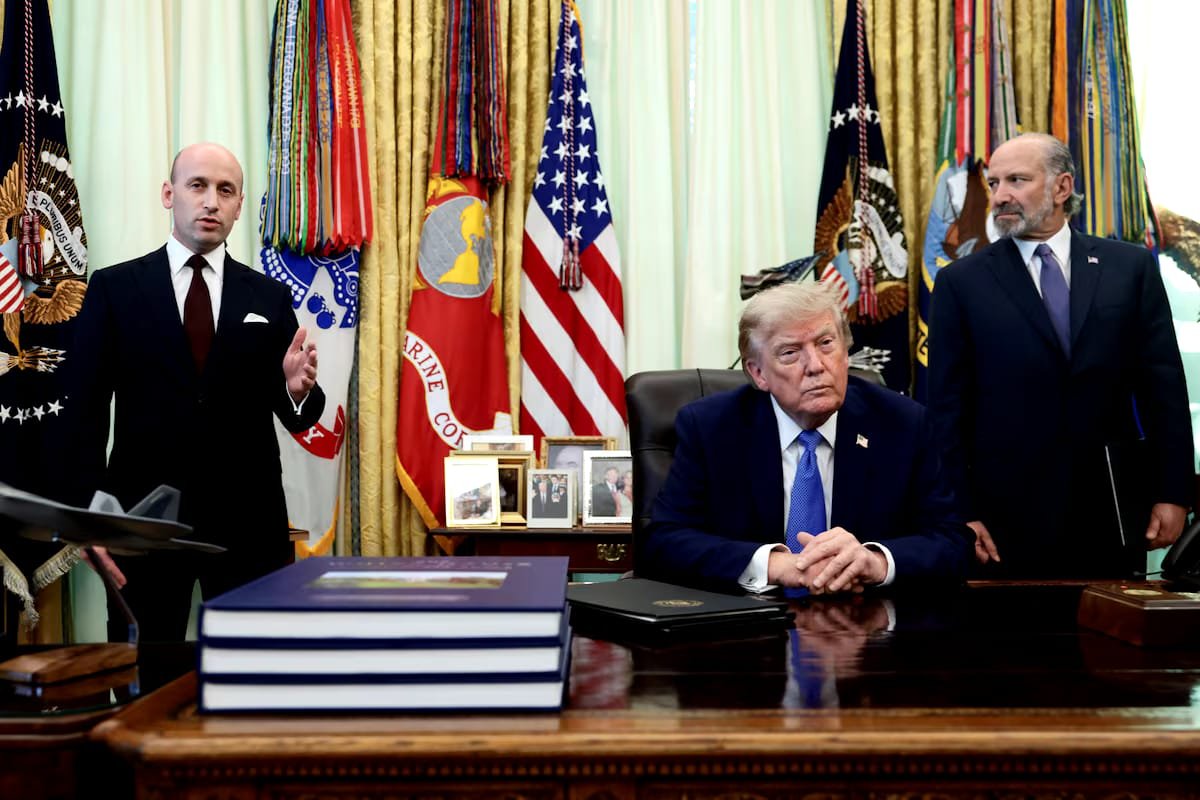
Trump signed two executive orders on Thursday targeting birth tourism, including measures aimed at citizenship recognition and visas. Legal experts cited in the supplied Reuters report said the citizenship-related provisions are likely to face serious constitutional obstacles because the Supreme Court has already addressed the issue in its June 30 ruling.
Key Highlights
- Trump signed two executive orders targeting birth tourism and related immigration practices.
- Legal experts said the citizenship provision could conflict with the Supreme Court’s June ruling on birthright citizenship.
- Another order seeks to restrict visas for foreigners suspected of travelling to the US for birth tourism.
- Experts are divided over whether some proposed expansions to existing birthright citizenship exceptions could survive in court.
Trump Renews Push Against Birth Tourism
The latest orders come after the Supreme Court in June rejected Trump’s earlier effort to limit birthright citizenship. The administration had argued that automatic citizenship encouraged illegal immigration and birth tourism.
Trump’s new action focuses partly on parents who allegedly engage in fraudulent activity to obtain citizenship for their children. One order directs federal agencies not to recognize citizenship where either parent is described as being involved in such activity.
A second order seeks to prevent visas from being issued to foreigners suspected of travelling to the United States for the purpose of giving birth. The supplied report noted that existing federal regulations already prohibit the use of temporary visas specifically to obtain US citizenship for a newborn.
Why the Supreme Court Ruling Matters
The Supreme Court’s June 30 decision, in the case referred to as Trump v. Barbara, struck down Trump’s earlier order restricting birthright citizenship.
The ruling centered on the 14th Amendment’s language granting citizenship to people born in the United States who are “subject to the jurisdiction thereof.”
Chief Justice John Roberts, writing for the court, emphasized the constitutional guarantee of citizenship and described it as a commitment extended to people born free in the United States.
The decision was issued by a 6-3 majority and invalidated Trump’s first attempt to restrict birthright citizenship.
Legal Experts Question Birth Tourism Provision
University of Virginia law professor Amanda Frost, who studies birthright citizenship, said the citizenship status of children born in the United States cannot be affected by illegal conduct attributed to their parents.
Frost’s assessment reflects the central legal problem facing Trump’s latest order: whether the administration can create a new restriction for children born in the US when the Supreme Court has already interpreted the constitutional protection broadly.
John Yoo, a University of California, Berkeley law professor and former Justice Department official during George W. Bush’s presidency, disagreed with some of the criticisms and said certain parts of the order could eventually withstand constitutional scrutiny.
Trump Also Seeks Broader Exceptions
The new directive goes beyond birth tourism. It also seeks to expand historical exceptions to automatic birthright citizenship.
Existing exceptions include children of diplomatic representatives, such as ambassadors, as well as children of hostile foreign troops occupying US territory.
The administration’s order would expand those categories to include certain foreign government employees and people classified as foreign terrorists.
Experts cited in the report were divided over whether these proposed changes would survive legal challenges.
Scholars Split Over Expanded Citizenship Exceptions
Frost said expanding the diplomatic category could potentially be lawful depending on how the provision is implemented, particularly if the affected individuals receive significant immunity from US law.
Yoo said an attempt to classify foreign enemy forces on US soil as including terrorist organizations could ultimately pass constitutional review.
Other legal scholars expressed concern that broader definitions could produce unintended consequences. University of Michigan law professor Sam Erman pointed to the historical classification of Japanese immigrants as enemy aliens during World War II and questioned whether similar rules could affect their US-born children.
Hiroshi Motomura, an immigration law expert at the University of California, Los Angeles, said the outcome could also depend on how government agencies apply the orders. He highlighted potentially broad interpretations of terms such as “alien enemy” and the “purpose” of a person’s stay in the United States.
Concerns Over Government Discretion
Motomura said the wording could create significant discretion for federal officials when deciding whether to issue visas or permit admission to the country.
That could make implementation a major part of the legal battle, particularly if officials rely on suspicion or additional screening to determine whether an individual’s travel is connected to birth tourism.
Alito Raised Birth Tourism in Supreme Court Dissent
Justice Samuel Alito, one of the six justices who did not join the majority ruling, specifically addressed birth tourism in his dissent.
Alito argued that the majority’s interpretation would extend citizenship protection even to children whose mothers entered the United States briefly for the purpose of giving birth.
He warned that the ruling could create what he described as serious consequences for the country’s immigration system, contrasting birth tourism with the lengthy process faced by foreigners seeking lawful immigration.
White House Defends New Executive Orders
The White House has rejected the argument that Trump’s latest orders conflict with Supreme Court precedent.
White House Staff Secretary Will Scharf said there was “absolutely nothing” in the orders that violated the court’s opinions on birthright citizenship.
Yoo, however, disagreed with that assessment. He said he did not see a Supreme Court-recognized exception that would allow the government to deny birthright citizenship because parents had fraudulently violated federal law in connection with giving birth in the United States.
Trump Cites Scale of Birth Tourism
Trump defended the new measures in the Oval Office, arguing that businesses had developed around birth tourism and claiming that “hundreds of thousands” of people were benefiting improperly.
The supplied Reuters report noted that some estimates are considerably lower. Researchers at Penn State University estimated that between 5,000 and 10,000 births each year from 2014 through 2024 involved birth tourism.
Legal Challenge Could Determine Scope of Orders
Rachel Rosenbloom, an immigration law professor at Northeastern University, said she would be surprised if the new exclusions survived a legal challenge. She described them as clearly unconstitutional.
The competing legal views suggest that the fate of Trump’s latest immigration measures could depend on how courts interpret the 14th Amendment, the Supreme Court’s June decision and the precise way federal agencies implement the executive orders.
For now, the administration is defending the orders while immigration scholars and constitutional experts remain divided over which provisions could survive judicial review.
Frequently Asked Questions
What is Trump’s latest birth tourism order?
One of Trump’s new executive orders directs federal agencies not to recognize a child’s citizenship when either parent is allegedly engaged in fraudulent activity to obtain citizenship. Another seeks to restrict visas for foreigners suspected of travelling to the US for birth tourism.
What did the Supreme Court rule on birthright citizenship?
On June 30, the Supreme Court struck down Trump’s earlier attempt to restrict birthright citizenship. The 6-3 ruling relied on the 14th Amendment’s citizenship language covering people born in the United States who are subject to US jurisdiction.
What Happens Next?
Trump’s latest orders are expected to face legal challenges, particularly over provisions affecting citizenship for children born in the United States. Courts will ultimately determine whether the administration’s interpretation can coexist with the Supreme Court’s June ruling.
The legal debate is also likely to focus on the proposed expansion of exceptions to birthright citizenship and the discretion given to federal agencies in implementing the new measures.
Legal Disclaimer: This article is for informational purposes only and does not constitute legal advice. The interpretation of executive orders, constitutional provisions and court rulings may change as litigation proceeds. Readers seeking legal guidance should consult a qualified legal professional.
Source attribution: This article is based solely on the Reuters report supplied for publication, including comments and information attributed in that report to legal scholars, White House officials and other sources.

Praveen Yadav is the Founder and Editor at The Nation Bulletin. With over 3 years of experience in digital journalism and news reporting, he covers national affairs, governance, and breaking current events with a commitment to factual accuracy and verified reporting.