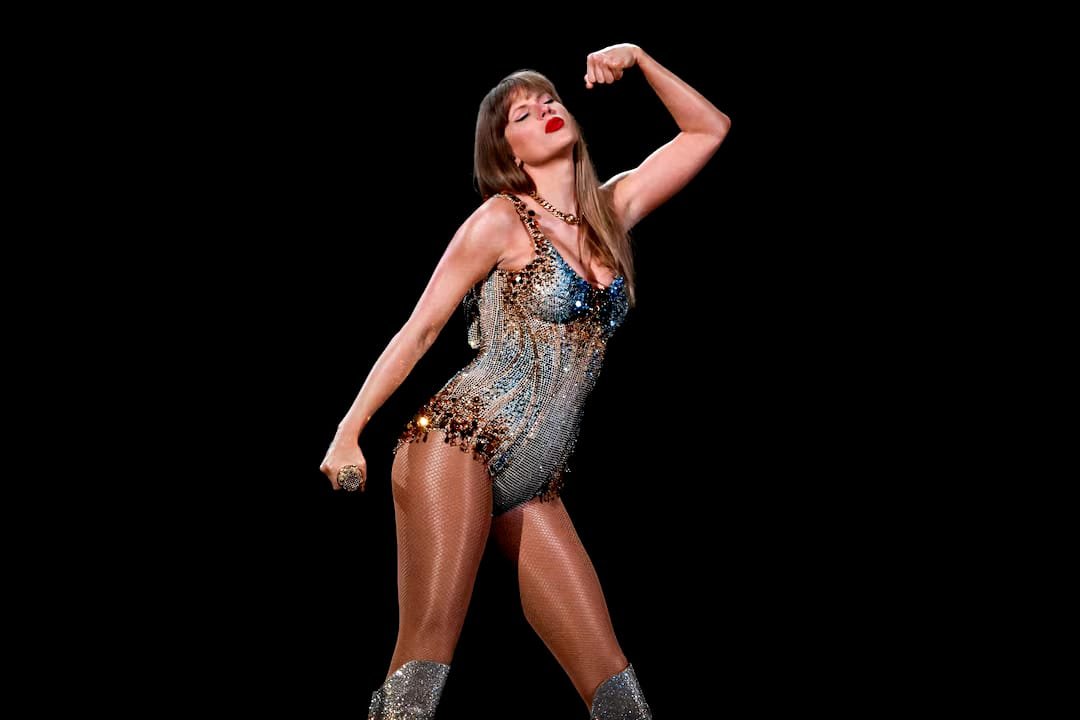
WASHINGTON — Several Taylor Swift songs have been removed from social media videos posted by U.S. President Donald Trump’s campaign and the White House after the administration and campaign used music by the pop superstar in multiple posts over the past several months.
Key Highlights
- Taylor Swift songs were used in multiple recent posts by Trump’s campaign and the White House.
- Some of the songs were later removed from the social media videos.
- Swift endorsed Kamala Harris during the 2024 presidential campaign and has previously criticized Trump.
- Several artists, including Sabrina Carpenter and Ariana Grande, have objected to the Trump administration using their music.
Taylor Swift Songs Removed From Trump-Linked Posts
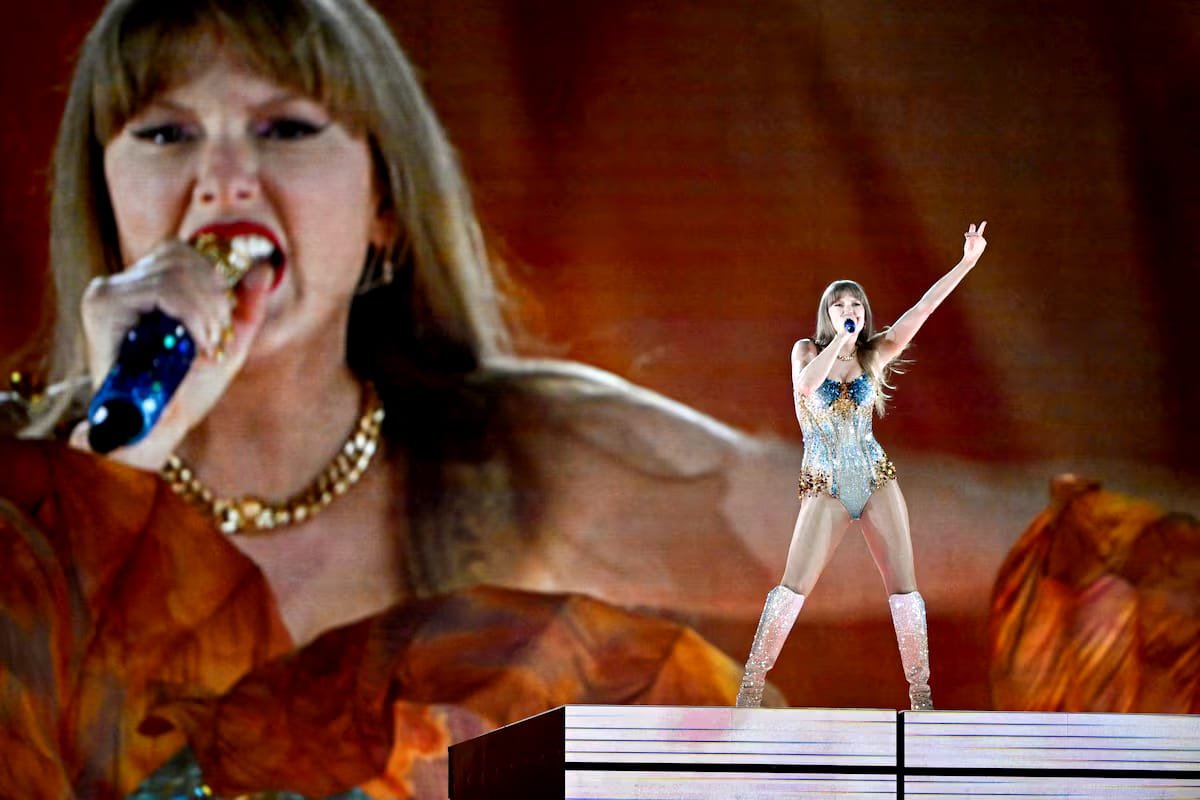
The Trump campaign used two Taylor Swift songs on its TikTok account during the past week, incorporating references to titles and lyrics from the singer’s music into political messaging.
One video used references to several well-known Swift songs alongside messages about Donald Trump, including statements concerning the U.S. southern border and the Biden-Harris administration.
Some Swift songs have since been removed from videos posted by Trump’s campaign and the White House. Neither the White House nor a representative for Swift immediately responded to Reuters requests for comment.
Trump Campaign Has Used Swift’s Music Repeatedly
The use of Swift’s music is not new for the Trump campaign. In June, the campaign posted a video featuring “I Knew It, I Knew You,” a song associated with Swift’s new Toy Story 5 release.
The video carried a message praising Trump and showed the president interacting with children at the White House, attending a UFC event and appearing at a campaign rally.
According to the supplied report, that marked the third occasion in recent months when the Trump administration or his campaign had used one of Swift’s songs.
White House Also Used Swift Songs
The White House has also incorporated Swift’s music into official social media content. In April, it published a video showing the Artemis II crew meeting Trump at the White House the previous day.
The video featured Swift’s “High Infidelity” and included lyrics from the song. The post was part of a broader pattern of the White House using popular music alongside images of the president and government activities.
Another White House TikTok post in November used “The Fate of Ophelia” from Swift’s album The Life of a Showgirl, which had been released the previous month.
That video combined images of the U.S. flag and national monuments with photographs of Trump, including his 2023 arrest mugshot. The post generated significant reaction on social media.
Swift’s Political History With Trump
Swift has not recently made public comments about Trump, but she endorsed his Democratic presidential rival, then-Vice President Kamala Harris, during the 2024 election campaign.
Swift had also criticized Trump during the 2020 campaign. In a social media post at the time, she said Trump was aware that voters did not want him as president.
After Swift endorsed Harris in 2024, Trump responded on social media with the statement, “I HATE TAYLOR SWIFT!” He later made another post questioning whether Swift’s popularity had declined after his criticism of her.
Artists Have Raised Concerns Over Music Use
The dispute over music used in political social media content extends beyond Swift. Dozens of artists, including Sabrina Carpenter and Ariana Grande, have called on the Trump administration not to use their songs.
Trump’s communications team has frequently used popular music in posts featuring the president and his policies. The videos have covered subjects including immigration enforcement, U.S. military operations against Iran and the arrest of former Venezuelan President Nicolas Maduro.
Why the Videos Have Drawn Attention
The use of recognizable songs has become part of the Trump administration’s broader social media strategy, where popular music is combined with political imagery and short-form video content.
The Swift-related posts have attracted particular attention because of the singer’s previous political endorsement and Trump’s repeated public criticism of her. The removal of some songs adds another development to the ongoing dispute over the use of artists’ music in political messaging.
What Happens Next
The White House and Swift’s representatives had not publicly explained the removal of the songs at the time of the Reuters report. The latest developments leave unanswered questions about why specific music was removed and whether further Swift songs will appear in future Trump administration or campaign content.
For now, the episode adds to a broader debate surrounding the use of commercially released music in political social media posts, particularly when artists have publicly expressed political differences with the administration using their work.

Praveen Yadav is the Founder and Editor at The Nation Bulletin. With over 3 years of experience in digital journalism and news reporting, he covers national affairs, governance, and breaking current events with a commitment to factual accuracy and verified reporting.