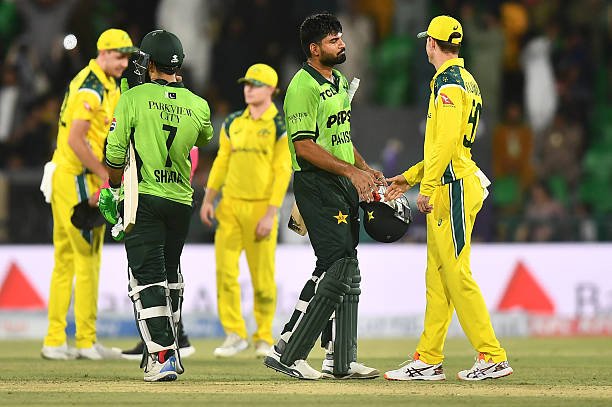
LAHORE, Pakistan — The International Cricket Council has overturned the demerit point imposed on Lahore’s Gaddafi Stadium over the pitch used for the third ODI between Pakistan and Australia in June, clearing the venue after an appeals panel reviewed the match footage, referee’s report and comments from both teams.
The original sanction followed a low-scoring contest in which Pakistan dismissed Australia for 157 in 42 overs before chasing the target to win by four wickets. The ICC had initially rated the surface as “unsatisfactory”, citing its slow and low nature and the assistance it provided to spin bowling.
Key Highlights
- The ICC appeals panel has revoked Gaddafi Stadium’s demerit point.
- The sanction had followed the third ODI between Pakistan and Australia in June.
- The panel found that the pitch did not show excessive unevenness or spin after reviewing the available evidence.
- This is the second successful PCB appeal against an ICC pitch-related sanction.
ICC overturns Gaddafi Stadium pitch sanction
Gaddafi Stadium had received its first demerit point after match referee Graeme Labrooy judged the playing surface unsatisfactory. The decision followed a match in which Australia were bowled out for 157, with the pitch offering significant assistance to spin early and throughout the contest.
Pakistan completed the chase with four wickets remaining, making the match the only one of the three-match ODI series in which neither side crossed 200.
The appeals panel reached a different assessment after examining the evidence. According to the ICC’s release, the panel concluded that “the pitch did not demonstrate excessive unevenness or spin” and therefore rescinded the demerit point.
Why was the pitch initially rated unsatisfactory?
Labrooy had described the surface as “slow and low” and said that it made scoring difficult for the batters. His assessment was that the conditions were not suitable for a One-Day International because batters needed more time to settle while spin received assistance from the early stages.
The pitch continued to behave in a similar manner during the match, according to the original assessment. The resulting low totals became the central issue behind the sanction imposed on the Lahore venue.
PCB had considered challenging the decision
The Pakistan Cricket Board had indicated after the original ruling that it was examining whether to appeal. A PCB spokesperson said the board was reviewing the ICC’s concerns against the available evidence before making a final decision.
The subsequent appeal has now resulted in the demerit point being removed, giving the PCB another successful challenge against an ICC ruling concerning a Pakistan venue.
Second successful PCB appeal over pitch sanction
The decision follows the PCB’s earlier success in overturning a demerit point imposed on Rawalpindi Cricket Stadium. That sanction related to a Pakistan-England Test in December 2022, when England won by 74 runs after scoring 506/4 on the opening day.
That earlier appeal and the latest Gaddafi Stadium decision mean the PCB has now successfully challenged two ICC pitch-related sanctions.
Pakistan’s pitch strategy had drawn scrutiny
Pakistan had prepared turning surfaces during all three ODIs against Australia across Rawalpindi and Lahore. Captain Shaheen Afridi defended the approach at the time, arguing that teams prepare pitches according to their own requirements.
The third ODI attracted particular attention because of the extent of spin assistance and the unusually low combined scoring. The ICC’s appeal decision, however, means the Gaddafi Stadium will no longer carry the demerit point from that match.
Gaddafi Stadium has more international cricket ahead
The Lahore venue is scheduled to host four ODIs in an October triangular series involving Pakistan, Sri Lanka and England. It is also due to stage the second Test between Pakistan and Sri Lanka in November.
The removal of the sanction means those upcoming international fixtures will not be played at a venue carrying the demerit point imposed over the Australia ODI.
ICC also reviews Maple Leaf Cricket Ground cases
The appeals panel also considered pitch-related cases involving the Maple Leaf Cricket Ground in King City, Toronto. The venue will continue to carry three demerit points after the panel upheld the match referee’s “unfit” rating for the June 16 Men’s Cricket World Cup League 2 match between Canada and the Netherlands.
However, the panel reached a different conclusion regarding the June 8 fixture between the USA and the Netherlands at the same venue. It upheld the appeal and determined that the pitch was consistent with a satisfactory surface after the match referee had originally rated it “unsatisfactory”.
What the decision means for Pakistan cricket
The reversal removes the first demerit point ever assigned to Gaddafi Stadium and represents a significant outcome for the PCB’s appeal. The ICC’s review also establishes that the original assessment was reconsidered using match footage, the referee’s report and feedback from the teams.
With major international fixtures scheduled in Lahore later in the year, the decision leaves Gaddafi Stadium without the pitch sanction that had followed the Australia ODI.
Why did Gaddafi Stadium receive a demerit point?
The venue was initially sanctioned after the pitch for Pakistan’s third ODI against Australia was rated “unsatisfactory”. The match referee cited its slow and low nature and the assistance it provided to spin.
Has Pakistan successfully overturned an ICC pitch sanction before?
Yes. The PCB previously succeeded in appealing the demerit point imposed on Rawalpindi Cricket Stadium following the Pakistan-England Test in December 2022.
Match context: Pakistan beat Australia by four wickets in the third ODI after Australia were dismissed for 157 in 42 overs. The pitch sanction from that match has now been revoked by the ICC appeals panel.

Praveen Yadav is the Founder and Editor at The Nation Bulletin. With over 3 years of experience in digital journalism and news reporting, he covers national affairs, governance, and breaking current events with a commitment to factual accuracy and verified reporting.