WASHINGTON, United States — President Donald Trump said Friday that Iran was not yet prepared to reach what he described as the “right deal” with Washington, as the conflict between the United States, Israel and Iran continues to disrupt energy flows through the Strait of Hormuz.
- Donald Trump said Tehran was not ready to make the “right deal” with Washington.
- The U.S. president said Washington was watching how the situation develops while keeping military options under consideration.
- Washington has pledged what it called the toughest financial penalties in history against Iran.
- Disruptions in the Strait of Hormuz continue as Iran retains missile and drone capabilities that can impede tanker traffic.
Donald Trump says Iran is not ready for a deal
Trump made the comments while speaking to reporters on Friday, when he was asked whether U.S. military options concerning Iran had become limited. Rather than indicating that Washington had ruled out further action, Trump said the United States was observing how events unfold.
He also maintained that Iran would want an agreement but argued that Tehran had not yet accepted the terms Washington considers necessary for a settlement.
The remarks come as the war approaches the six-month mark and diplomatic prospects remain uncertain. The latest comments from the U.S. president did not indicate that a new agreement with Tehran was imminent.
Washington prepares tougher Iran sanctions
The Trump administration has also signaled that economic pressure will form a major part of its strategy toward Iran. Washington pledged this week to impose what it described as the toughest financial penalties in history, with the stated aim of toppling the Iranian leadership.
Treasury Secretary Scott Bessent is expected to provide details of the planned sanctions on Monday. Trump has also warned countries against providing what he called “any type of lifeline to Iran,” suggesting that the administration intends to widen the economic pressure beyond Tehran itself.
The planned measures add another dimension to the conflict, with Washington combining military pressure and financial restrictions while continuing to assess Iran’s response.
Strait of Hormuz remains central to the conflict
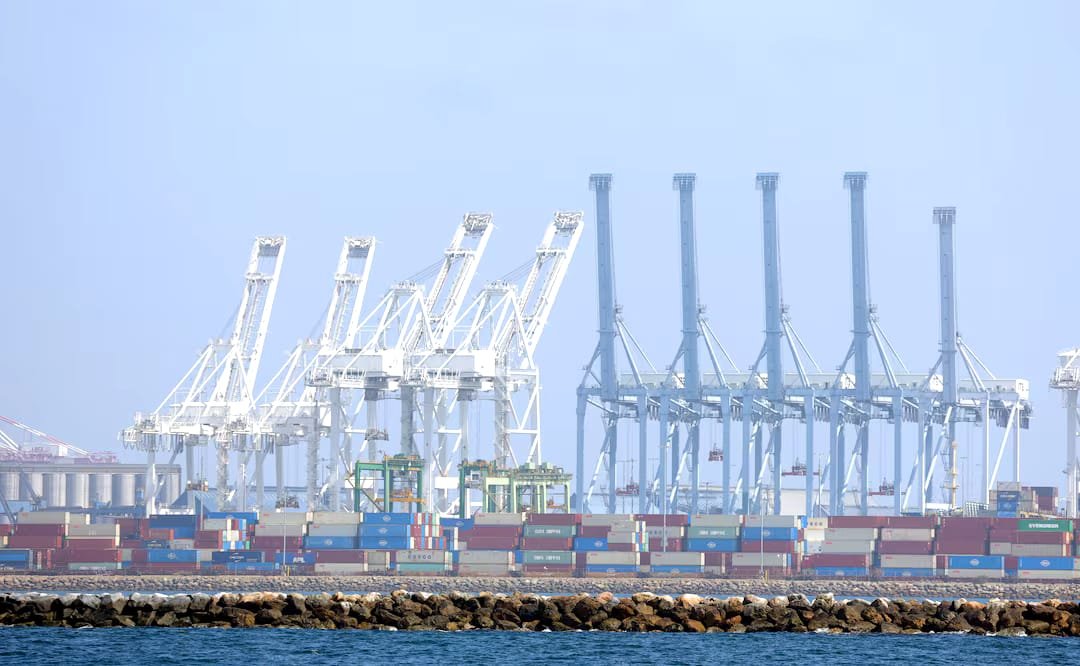
The Strait of Hormuz remains one of the most important pressure points in the conflict because of its role in global energy transportation. Before the U.S. and Israel launched attacks on Iran on February 28, the waterway handled about one-fifth of global oil and liquefied natural gas supplies.
Energy movements through the strait have continued to face disruption during the war. Iran has retained enough missile and drone capability to impede oil tanker traffic, keeping the waterway at the center of concerns over global energy supplies.
Trump said the United States has extensive control over the region around the strait, including areas on land. His comments underline the strategic importance Washington attaches to maintaining influence over the waterway during the conflict.
Conflict has widened across the region
The current confrontation began with U.S. and Israeli attacks on Iran on February 28. Tehran responded with strikes against Israel and Gulf states hosting U.S. military bases, expanding the conflict beyond the immediate battlefield in Iran.
The fighting has also been accompanied by Israeli attacks on Lebanon. According to the information provided by Reuters, the broader conflict has killed thousands of people and displaced millions.
The continuing military confrontation has therefore created consequences well beyond the borders of Iran and Israel. Energy transportation, regional security and the involvement of Gulf states have all become important elements of the crisis.
Trump keeps pressure on Tehran
Trump’s latest comments indicate that his administration intends to maintain pressure on Tehran while leaving its options open. His statement that Washington is watching “what happens” suggests that the next phase will depend heavily on developments on the ground and Iran’s response to U.S. demands.
At the same time, the planned sanctions could increase the economic costs facing Iran and countries that continue providing support. Details of those measures are expected to become clearer when Bessent outlines the administration’s plans on Monday.
For now, the Strait of Hormuz remains a critical factor in the confrontation, while Washington continues to assess both military and economic tools. Trump’s comments offered no indication that Iran had moved closer to the agreement he considers acceptable.

Praveen Yadav is the Founder and Editor at The Nation Bulletin. With over 3 years of experience in digital journalism and news reporting, he covers national affairs, governance, and breaking current events with a commitment to factual accuracy and verified reporting.