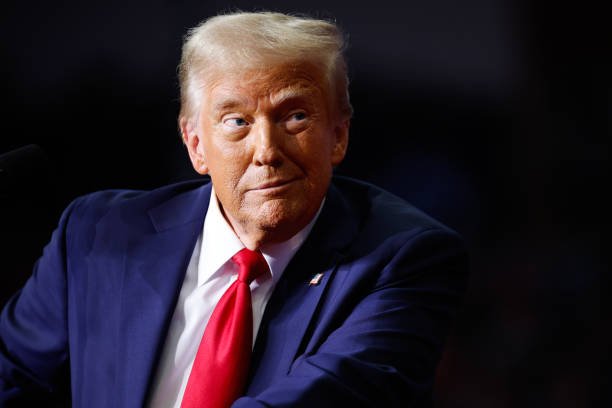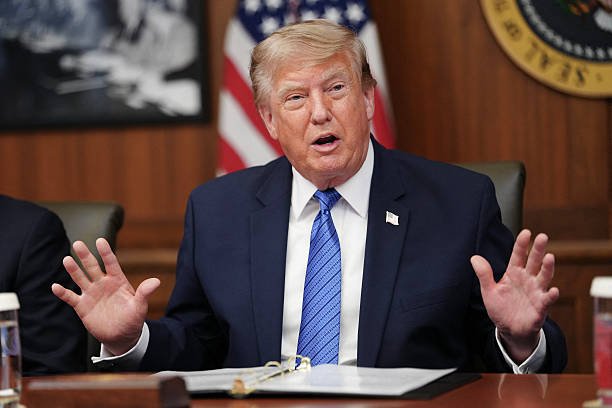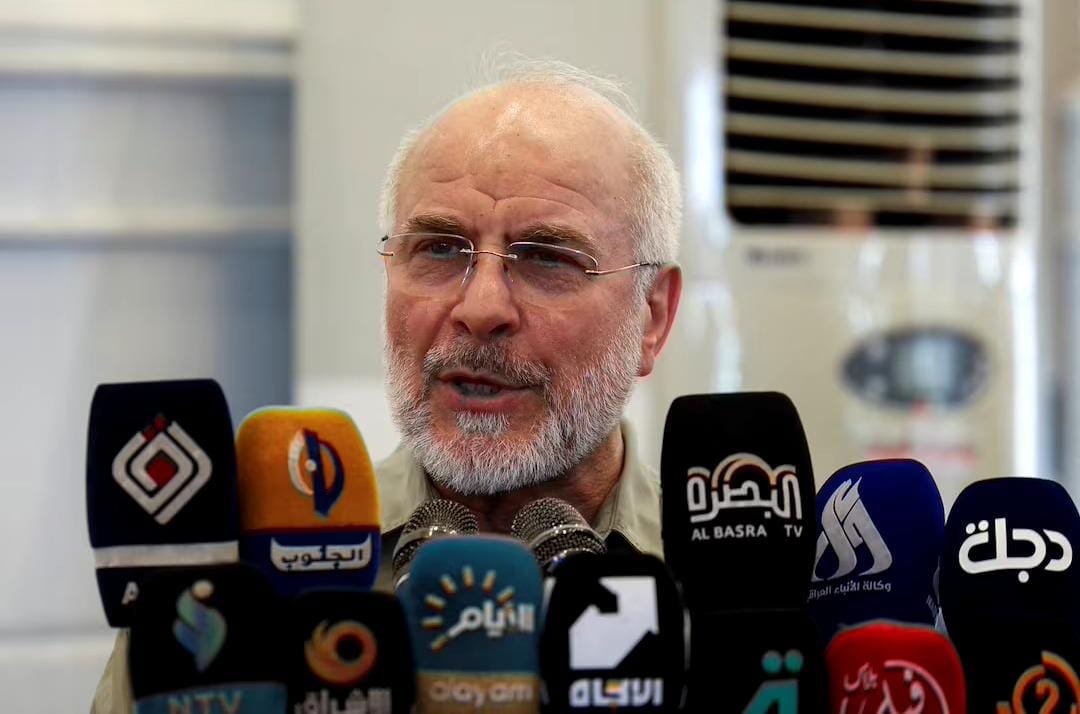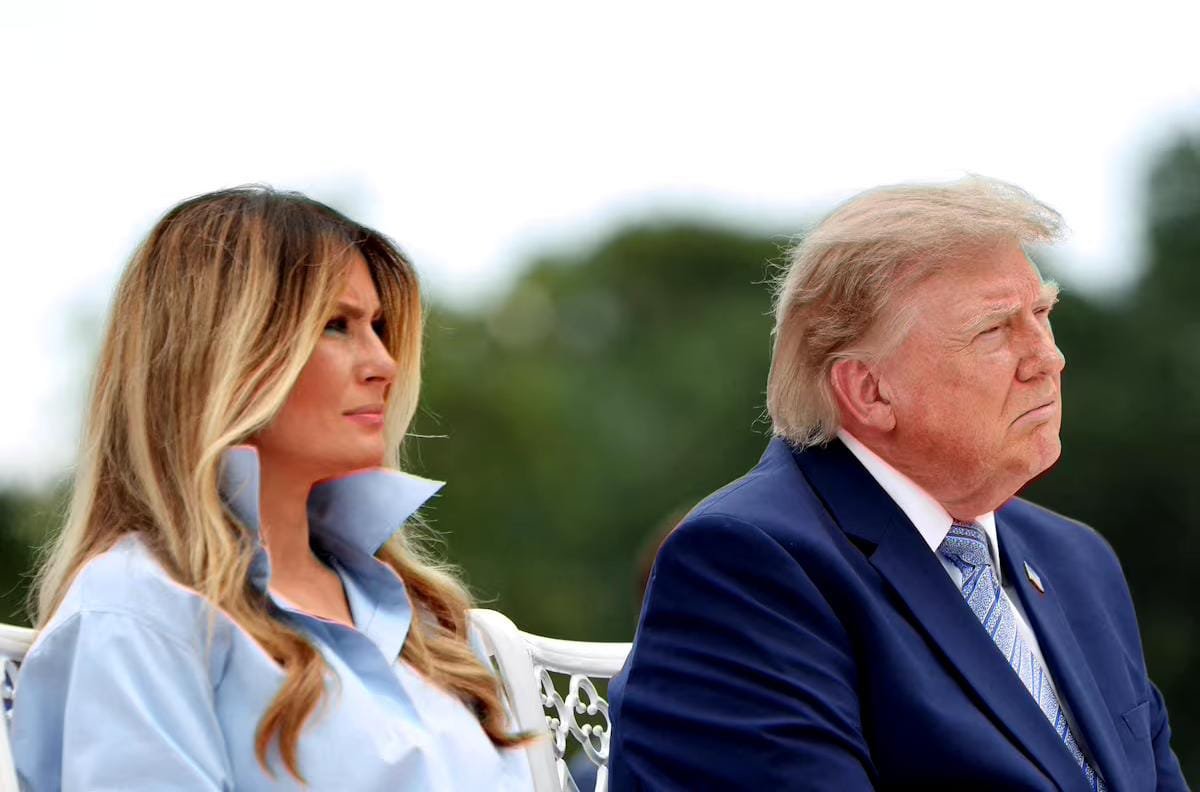
WASHINGTON, United States — President Donald Trump is heading toward the November midterm elections with several major foreign policy goals still unresolved, as the prolonged Iran war, stalled efforts over Gaza and Ukraine, and rising economic costs create new political pressure for his administration.
- Key Highlights:
- The Iran conflict has reached a costly standoff after Trump called off talks with Tehran.
- Peace efforts involving Gaza and Ukraine remain stalled.
- Trump’s approval rating has fallen to 33% in the latest Reuters/Ipsos poll.
- Rising gasoline prices and persistent inflation could increase the domestic political impact of foreign policy setbacks.
Trump’s foreign policy agenda faces a difficult test
Trump returned to the White House promising to act as a “peacemaker” and made the resolution of international conflicts a central part of his second-term agenda. But with Labor Day approaching on September 7, a traditional point when U.S. election campaigns accelerate, several of his most important diplomatic initiatives remain unfinished.
The situation presents a challenge for Republicans as they prepare for elections that could determine control of one or both chambers of Congress. A loss of congressional control would sharply limit Trump’s ability to advance his domestic and foreign policy priorities during the final two years of his term.
Iran war becomes a growing political burden
The Iran conflict has emerged as one of the biggest tests of Trump’s foreign policy approach. After weeks of seeking a diplomatic solution, Trump called off talks with Tehran and announced a new campaign of “economic warfare” against Iran.
The move came after months of military attacks failed to produce the concessions Washington wanted. Trump has argued that the economic costs of the conflict are justified to prevent Iran from obtaining a nuclear weapon, while Iran denies that it is seeking one.
The conflict is also affecting Americans through higher gasoline prices. Persistent inflation combined with the economic impact of the war has coincided with a decline in Trump’s approval rating. The latest Reuters/Ipsos poll found that only 33% of Americans approved of his performance.
Gaza and Ukraine efforts remain stalled
Trump’s difficulties extend beyond Iran. His negotiator and son-in-law, Jared Kushner, returned without an agreement from talks on Monday aimed at advancing a Gaza peace deal.
An expected visit to Kyiv by Kushner and Trump envoy Steve Witkoff, intended to revive negotiations over Russia’s war in Ukraine, has also yet to take place.
The Ukraine conflict remains far from a settlement. The latest Russian airstrikes killed 16 people in Kyiv on Thursday, underscoring the continuing intensity of the war despite Washington’s efforts to bring the sides toward negotiations.
In Gaza, mediators are concerned that intensifying Israeli strikes are undermining efforts to end the conflict. Israel and Hamas have continued to resist conditions needed to move forward with a peace plan Trump forged in October last year.
Lebanon has also remained a difficult issue. Israeli airstrikes killed 11 people on Sunday even as a U.S.-mediated peace framework between Israel and Lebanon remained in effect.
Trump’s unconventional approach draws mixed reviews
Trump’s foreign policy has relied heavily on U.S. economic and military power, including pressure on American allies, rather than traditional diplomatic methods. Some experts credit him with confronting conflicts that previous presidents were unable or unwilling to resolve.
Nick Snyder, a senior fellow at Hudson Institute, said Trump wanted a more stable world and had attempted to address disputes ranging from Ukraine to trade and overcapacity. Snyder also pointed to Trump’s efforts involving Rwanda and the Democratic Republic of Congo, as well as Thailand and Cambodia.
Trump’s administration also recorded an early success in Venezuela. The U.S. military captured Venezuelan President Nicolas Maduro without U.S. casualties, an operation analysts say helped shape Trump’s assessment that military action alongside Israel against Iran would proceed smoothly.
Analysts now argue that judgment proved incorrect. Iran’s leaders have limited incentives to retreat, particularly over the reopening of the Strait of Hormuz, despite the weakening condition of the country’s economy.
White House defends Trump’s record
The White House has rejected the assessment that Trump’s foreign policy has failed to deliver results. White House spokeswoman Anna Kelly said Trump had restored U.S. respect internationally and pointed to what she described as nine wars ending, hostages being freed from Gaza, fairer trade agreements and efforts to prevent Iran from acquiring a nuclear weapon.
A senior Trump administration official also said U.S. sanctions and a naval blockade had severely damaged Iran’s economy. The official said the president still had additional economic measures available to increase pressure in the coming weeks.
At the same time, one Trump ally said the Iran conflict had weighed heavily on the president and that there was no consensus within the White House over how to resolve it.
Election pressure could reshape Trump’s calculations
The political consequences could become more significant if investors conclude that the Iran war will continue for an extended period. Higher U.S. borrowing costs could further restrict the administration’s ability to pursue its domestic agenda.
Foreign policy analysts also argue that Trump’s reliance on coercive pressure can bring adversaries to negotiations without necessarily producing lasting settlements. That creates an incentive for rivals to wait for political pressure inside the United States to grow.
Asli Aydintasbas, a fellow at the Brookings Institution, said Trump’s disruption of Washington’s traditional foreign policy consensus had not yet been translated into a strategy with clear deliverables for Americans.
She also argued that Russia, China and Iran could conclude that Trump’s political timetable is shorter than their own. With the November elections approaching, that calculation could become increasingly important as the administration tries to convert its foreign policy pressure into lasting agreements.

Praveen Yadav is the Founder and Editor at The Nation Bulletin. With over 3 years of experience in digital journalism and news reporting, he covers national affairs, governance, and breaking current events with a commitment to factual accuracy and verified reporting.