NEW DELHI, India — Putrada Ekadashi 2026 is being observed amid confusion over whether the fast should fall on August 23 or August 24. According to the Hindu calendar details provided, the Sawan Shukla Ekadashi fast is observed on August 23, while the fast is completed with Parana on August 24 after the Ekadashi tithi ends.
- Key Highlights:
- Sawan Putrada Ekadashi is being observed on August 23, 2026, according to the supplied calendar details.
- The Ekadashi tithi begins at around 2 a.m. on August 23 and ends at 4:18 a.m. on August 24.
- Parana, or the formal completion of the fast, is scheduled for August 24.
- The religious observance is traditionally associated with prayers for children, their welfare and family well-being.
Putrada Ekadashi 2026: August 23 or August 24?
The date confusion surrounding Putrada Ekadashi 2026 has emerged because the Ekadashi tithi extends across two calendar dates. According to the information provided, the Sawan Shukla Ekadashi tithi begins at approximately 2 a.m. on August 23 and concludes at 4:18 a.m. on August 24.
Based on the Udaya Tithi principle mentioned in the supplied material, the Putrada Ekadashi fast is observed on August 23. The Parana, which marks the completion of the religious fast, is performed on August 24.
The supplied information published on August 23 also describes the day as the observance of Sawan Putrada Ekadashi, reinforcing the distinction between the fasting day and the following day’s Parana.
Why Sawan Putrada Ekadashi holds religious significance
Putrada Ekadashi occurs twice during the year, once in the Paush month and again during the Sawan month. The Sawan observance is described in the supplied material as having special religious importance.
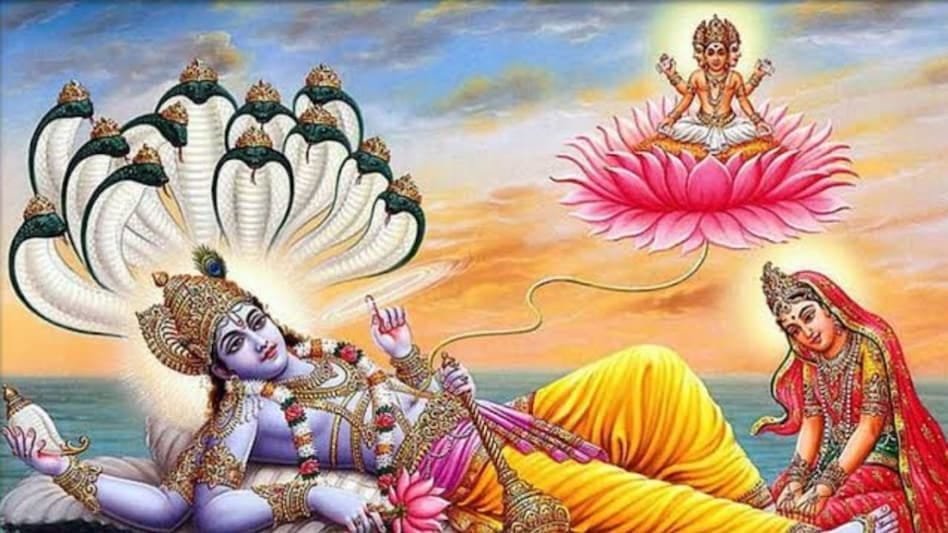
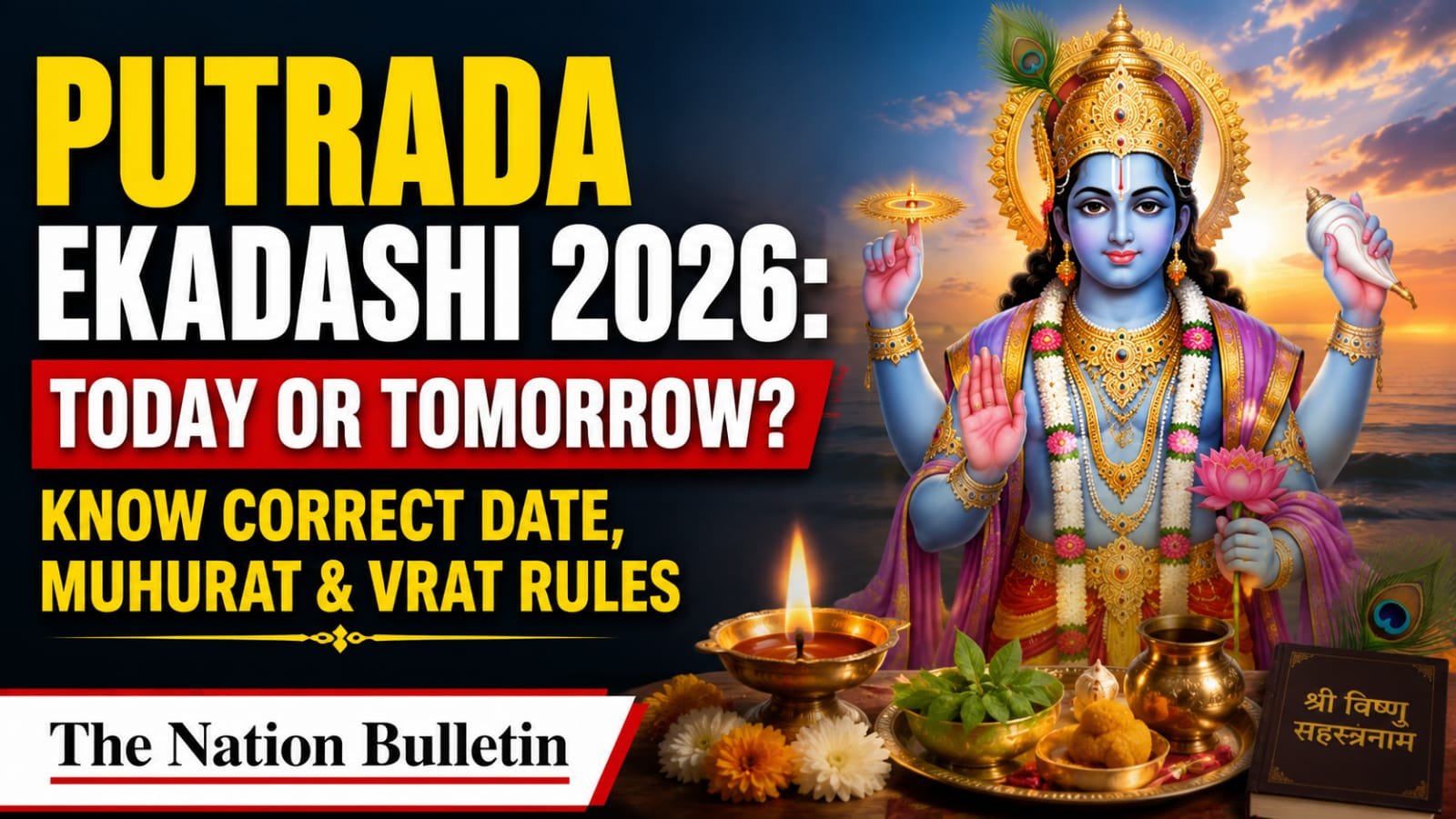
In Hindu religious belief, the fast is associated with prayers concerning children, including their welfare, health, happiness and future. Devotees worship Lord Vishnu or Shri Krishna and may also perform acts of charity and religious observances.
These beliefs are matters of faith. The observance is traditionally viewed as an occasion for devotion, discipline and prayers for peace and prosperity within the family.
The story of King Mahijit and Putrada Ekadashi
A traditional account connected with Putrada Ekadashi centres on King Mahijit, who ruled the city of Mahishmati. According to the religious story provided, the king cared for his subjects but remained deeply unhappy because he and his wife had no children.
The king is said to have tried several measures in the hope of having a child but found no success. Distressed by his situation, he convened a gathering and spoke about his sorrow before ministers and members of his kingdom, asking why he continued to remain childless despite performing charitable and religious works.
His ministers and subjects then went into the forest to seek guidance from sages and ascetics. They eventually approached Lomash Rishi and asked him to explain the reason for the king’s suffering and suggest a remedy.
What Lomash Rishi told the king’s people
The traditional story says Lomash Rishi used his spiritual insight to examine the king’s previous life. According to the account, Mahijit had earlier been a poor Vaishya who had committed several wrong acts in pursuit of wealth.
One day, while suffering from hunger and thirst, he reportedly reached a pond where a cow was drinking water. The story says he drove the animal away so that he could drink first. The sage explained that this act was connected, in the traditional account, to the king’s inability to have a child in his later life.
Lomash Rishi then advised the observance of the Sawan Putrada Ekadashi fast, along with proper worship of Lord Vishnu. The story says this religious observance would help the king seek forgiveness and receive the blessing of a child.
How the Putrada Ekadashi fast was observed in the traditional story
According to the supplied religious account, the ministers and people of Mahishmati returned to the city after receiving Lomash Rishi’s guidance. On Sawan Shukla Ekadashi, they collectively observed the Putrada Ekadashi fast and worshipped Lord Vishnu.
The account says they remained awake through the night in religious observance. The following morning, they bathed, performed charity, completed the Parana and dedicated the spiritual merit of the fast to King Mahijit.
According to the traditional belief described in the story, the king was freed from the consequences of his earlier actions, and the queen later gave birth to a son. The narrative is therefore closely associated with the religious significance given to Putrada Ekadashi and prayers concerning children.
How devotees can observe Putrada Ekadashi
The supplied material says devotees may observe the fast according to their physical capacity. Some choose a Nirjala fast without water, while others follow a fruit-based or simple fasting diet.
A Nirjala fast should only be undertaken by a person who is fully healthy, according to the guidance provided. Others may observe the fast with water, fruits and simple satvik food.
The day traditionally begins with worship of Lord Vishnu or Shri Krishna and prayers for the welfare of children. Offerings may include incense, a lamp, fruits, sweets, sandalwood, Tulsi leaves and other items traditionally associated with the deity.
Devotees may listen to the religious story during the afternoon and perform prayers and mantra chanting in the evening. The supplied material also describes reading or hearing the Putrada Ekadashi Vrat Katha as an important part of the religious observance.
Traditional fasting rules and practices
Families observing Putrada Ekadashi traditionally maintain a satvik atmosphere at home. Religious customs described in the supplied material include avoiding garlic, onion and tamasic food during the observance.
Devotees are encouraged to wear clean clothes for worship, maintain peace within the family and avoid lying. Traditional guidance also emphasises avoiding deceit, harmful thoughts and negative intentions.
The supplied religious narrative presents Putrada Ekadashi as an observance centred on devotion to Lord Vishnu, faith, discipline and self-restraint. For devotees marking the occasion in 2026, the fasting day falls on August 23 according to the calendar details provided, with the fast completed through Parana on August 24.

Praveen Yadav is the Founder and Editor at The Nation Bulletin. With over 3 years of experience in digital journalism and news reporting, he covers national affairs, governance, and breaking current events with a commitment to factual accuracy and verified reporting.