New Zealand Prime Minister Christopher Luxon says his party will introduce legislation seeking to prevent children under 16 from using social media, with platforms facing potentially large fines for failing to comply.
SYDNEY, Australia — New Zealand is preparing legislation that would ban children under 16 from using social media platforms, Prime Minister Christopher Luxon said on Monday. The proposed bill would require platforms to take reasonable steps to verify users’ ages and could impose fines of up to 10% of a platform’s global revenue for non-compliance.
Key Highlights
- New Zealand plans to introduce a bill restricting social media access for children under 16.
- Platforms could face fines of up to 10% of their global revenue if they fail to comply.
- The proposal faces uncertainty after coalition partner New Zealand First said it would not support the legislation.
New Zealand social media ban targets under-16 users
The proposed legislation would place responsibility on social media companies to take reasonable measures to determine whether users are under 16. The government has indicated that platforms could use existing account information as part of the verification process.
Other possible methods mentioned in the proposal include facial technology and digital identity documents. The measures are intended to prevent children below the proposed age threshold from accessing covered social media services.
Luxon cites concerns over impact on children
Luxon said the government could not accept what he described as the harm being caused to a generation of New Zealand children by social media.
He pointed to exposure to harmful content, addictive technology and social pressures, saying these issues can affect family life, mental health, sleep and education.
Coalition partner opposes proposed legislation
The bill’s path through Parliament is uncertain because New Zealand First, one of Luxon’s coalition partners, has said it will not support the proposal.
New Zealand First leader Winston Peters said his party had concerns about the proposed legislation and questioned the broader direction such laws could take the country. He also argued that keeping children away from social media should remain primarily the responsibility of parents.
Australia’s under-16 social media ban cited
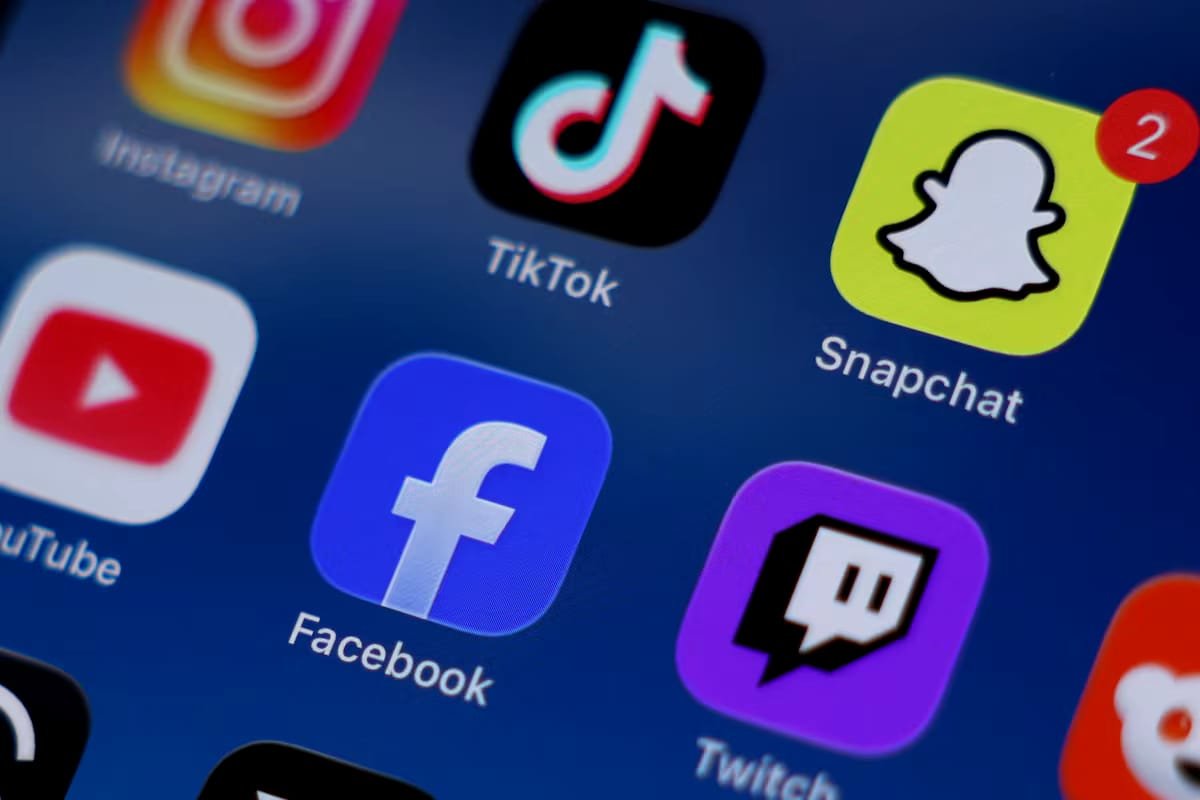
New Zealand’s proposal follows Australia’s decision in December to become the first country to introduce a social media ban for children under 16. The Australian restrictions cover platforms including TikTok, YouTube, Instagram and Facebook.
Peters described Australia’s legislation as a “colossal failure,” using the experience as an argument against New Zealand adopting a similar approach.
Government acknowledges enforcement challenges
Luxon acknowledged that enforcing an under-16 social media restriction would not be straightforward. He said some children would likely find ways around the rules, but argued that the potential importance of the measure justified attempting to implement it.
The proposed legislation will now face parliamentary scrutiny, including questions over political support, age verification and how platforms would be expected to enforce the restrictions.
Frequently Asked Questions
What is New Zealand’s proposed social media ban?
The proposed legislation would seek to prevent children under 16 from using social media platforms and require platforms to take reasonable steps to verify users’ ages.
What penalties could social media platforms face?
Platforms could face fines of up to 10% of their global revenue for failing to comply with the proposed requirements.
How could users’ ages be verified?
The proposal mentions existing account information, facial technology and digital identity documents as possible tools for age verification.
Will the bill definitely become law?
No. Its passage is uncertain because New Zealand First, a coalition partner, has said it will not support the proposed legislation.
The proposal puts New Zealand alongside a growing debate over how governments, parents and technology companies should address children’s access to social media, while its parliamentary future remains uncertain.

Praveen Yadav is the Founder and Editor at The Nation Bulletin. With over 3 years of experience in digital journalism and news reporting, he covers national affairs, governance, and breaking current events with a commitment to factual accuracy and verified reporting.