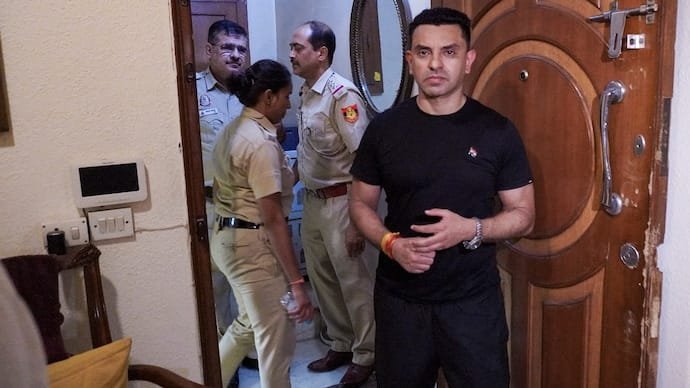
West Bengal protest FIR withdrawal has become a major development in Kolkata after the state government withdrew a suo motu case registered against protesters over alleged violence during a July 24 rally in the Esplanade area. The move came amid a wider dispute over cases filed during protests linked to demands for action over alleged irregularities in the NEET (UG) examination.
The withdrawal of the police-initiated FIR also led a city court to grant bail to all 16 accused who were in custody. However, the development does not mean that every case connected with the Kolkata violence has ended, as separate cases concerning alleged assaults on journalists are set to continue.
West Bengal Protest FIR Withdrawal: What Happened in Kolkata?
The West Bengal protest FIR withdrawal relates to a rally held on July 24 in Kolkata’s Esplanade area. The demonstration was organised in support of students protesting at Jantar Mantar in Delhi and demanding the resignation of Union Education Minister Dharmendra Pradhan over the NEET paper leak issue.
According to the information available, the Kolkata Police registered seven FIRs in connection with the violence. One was a suo motu case filed by the police, while six others were registered following complaints from journalists who said they were assaulted during the protest.
West Bengal Protest FIR Withdrawal Covers the Suo Motu Case
The West Bengal protest FIR withdrawal specifically concerns the suo motu case filed by Kolkata Police. The state Home and Hill Affairs Department subsequently issued a formal order withdrawing that case, under which 16 people had been arrested.
The order also clarified that coercive action would not be taken against students participating in protests concerning alleged irregularities in the NEET (UG) examination. However, the protection has an important qualification concerning people with criminal antecedents, as referred to in the government order.
16 Accused Get Bail After FIR Withdrawal
The West Bengal protest FIR withdrawal had an immediate legal consequence for the 16 people who had been arrested in connection with the withdrawn case. After police dropped the charges under that particular FIR, the Chief Metropolitan Magistrate’s Court granted bail to all the accused.
The court granted bail on a bond of ₹500. The accused had been arrested from different locations in and around Kolkata and were in judicial custody, according to the supplied report.
- Location: Esplanade area, Kolkata
- Date of protest: July 24, 2026
- Total FIRs registered: Seven
- Suo motu FIR: One
- Other FIRs: Six, based on complaints from journalists
- People arrested under the withdrawn case: 16
- Bail bond: ₹500
Journalists’ Assault Cases Will Continue
Despite the West Bengal protest FIR withdrawal, the legal proceedings related to alleged assaults on journalists are not covered by the withdrawal of the suo motu case. Six separate FIRs were registered after journalists complained about alleged attacks during the rally.
Several journalists reportedly suffered injuries while covering the July 24 demonstration. Videos from the protest also surfaced showing journalists being heckled by members of the crowd, according to the supplied report.
West Bengal Protest FIR Withdrawal Does Not End All Cases
The West Bengal protest FIR withdrawal should therefore be understood as the withdrawal of the police-initiated case rather than a blanket closure of every criminal proceeding linked to the rally. The journalist-related complaints remain a separate part of the legal proceedings.
This distinction is important because the government order protects participating students from coercive measures in relation to the specified protests, while the reported journalist assault cases continue independently.
Why Were the Kolkata Protests Held?
The West Bengal protest FIR withdrawal comes against the backdrop of student demonstrations over alleged irregularities in the NEET (UG) examination. The Kolkata rally was held in solidarity with students protesting at Jantar Mantar in Delhi and demanding the resignation of the then Union Education Minister Dharmendra Pradhan.
The protests had also become part of a wider political dispute over examination-related concerns. The issue gained additional significance after the Cockroach Janata Party said the Union government should honour an understanding concerning the withdrawal of police cases against protesters.
CJP Had Raised the Issue of FIR Withdrawal
The West Bengal protest FIR withdrawal came a day after the Cockroach Janata Party raised concerns about the handling of cases against protesters. The party had argued that the Union government should not breach an agreement concerning the withdrawal of police cases.
Similar FIRs involving protesters in Assam and Bihar were also reported as withdrawn on Monday. The Kolkata development therefore came amid a broader discussion over the legal action taken during the protests.
Government Order Gives Protection to Students
The West Bengal protest FIR withdrawal was accompanied by an official clarification from the state Home and Hill Affairs Department. It stated that no coercive measures should be taken against students participating in protests concerning alleged irregularities in the NEET (UG) examination.
At the same time, the order included an exception for people with criminal antecedents, as specified in the government directive. This means the protection described in the order is not presented as an unconditional shield for every individual connected to the protests.
Political Dispute Over West Bengal Public Safety Law
The West Bengal protest FIR withdrawal also comes against earlier political claims about the treatment of those accused in connection with the rally. Chief Minister Suvendu Adhikari had earlier said that the accused would be booked under the newly passed West Bengal Public Safety and Control of Anti-Social Activities Act, 2026, also referred to as the Goonda Act.
According to the supplied report, the legislation provides for preventive detention of up to 12 months. The report also states that the law contains restrictions affecting access to legal help for those detained under its provisions.
Journalists Protested Over Safety Concerns
The West Bengal protest FIR withdrawal has not removed concerns raised by journalists who were present at the rally. Several members of the media reportedly suffered injuries while covering the demonstration.
On Monday, journalists held a separate protest demanding greater safety while reporting from demonstrations. They also submitted a memorandum to Chief Minister Suvendu Adhikari, according to the report.
What Happens to the Remaining FIRs?
The West Bengal protest FIR withdrawal means the suo motu case filed by Kolkata Police has been withdrawn, but the six FIRs based on journalists’ complaints remain relevant. Those cases concern alleged assaults on journalists and therefore follow a separate legal track.
The distinction between the withdrawn case and the continuing journalist complaints is central to understanding the latest development. The bail granted to the 16 accused followed the withdrawal of the police-initiated FIR and does not automatically resolve the separate complaints.
West Bengal Protest FIR Withdrawal: Key Facts
| Development | Details |
|---|---|
| FIR withdrawn | Suo motu case filed by Kolkata Police |
| Location | Esplanade, Kolkata |
| Protest date | July 24, 2026 |
| Total FIRs | Seven |
| People arrested under withdrawn case | 16 |
| Court action | All 16 accused granted bail |
| Bail bond | ₹500 |
| Journalist-related cases | Six FIRs continue |
Conclusion: West Bengal Protest FIR Withdrawal Explained
The West Bengal protest FIR withdrawal has brought relief to the 16 people arrested under the Kolkata Police’s suo motu case, with a city court granting bail after the state formally withdrew the FIR. The government’s order also provides protection from coercive measures for students participating in protests over alleged NEET (UG) irregularities, subject to the stated exception for people with criminal antecedents.
However, the legal chapter surrounding the July 24 Kolkata rally is not completely closed. Six separate FIRs concerning alleged assaults on journalists remain in place, while the media community has separately raised concerns about the safety of journalists covering protests.

Praveen Yadav is the Founder and Editor at The Nation Bulletin. With over 3 years of experience in digital journalism and news reporting, he covers national affairs, governance, and breaking current events with a commitment to factual accuracy and verified reporting.