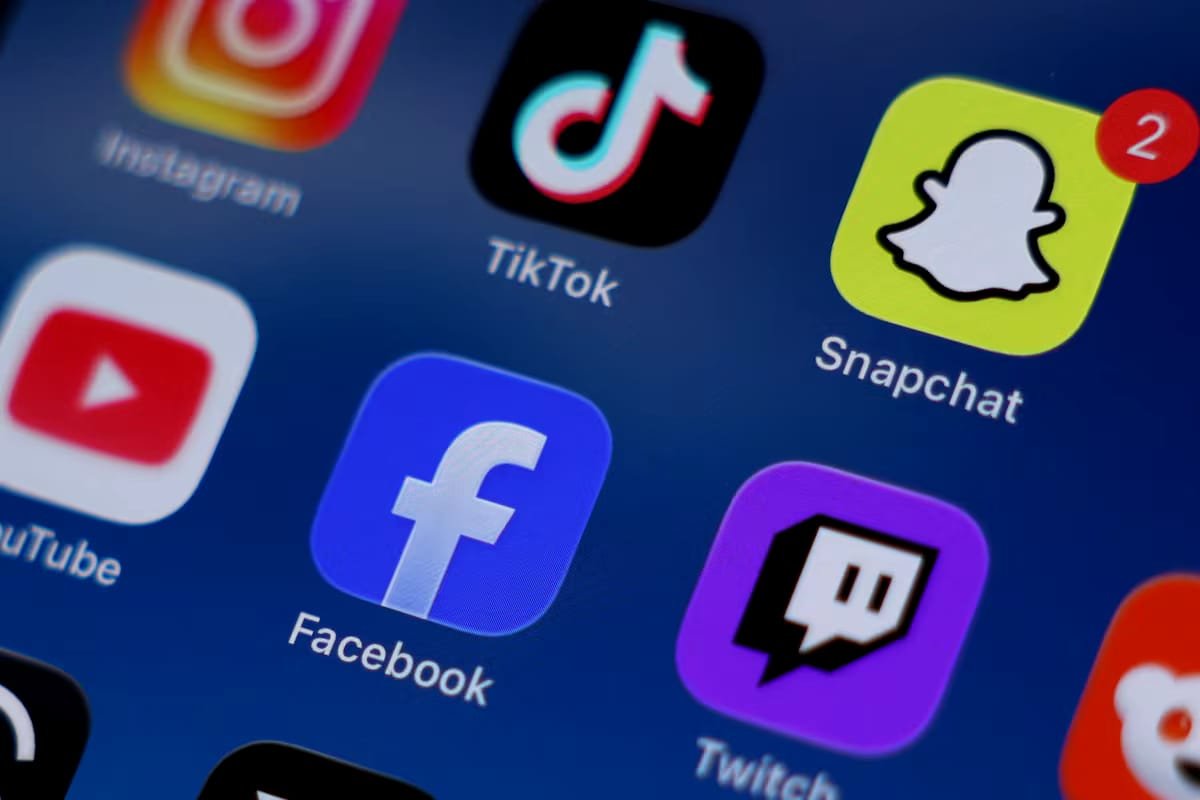
Australia social media ban enforcement has triggered a fresh dispute between Elon Musk’s X and Australian authorities, with the social media platform accusing Australia of seeking broader information-gathering powers and arguing that tougher enforcement could undermine international and U.S. law.
The dispute centres on Australia’s world-first legislation restricting social media accounts for users under the age of 16. The law took effect in December 2025 and has faced criticism from several social media companies, most of which are headquartered in the United States.
Australia Social Media Ban Draws Strong Opposition From X
The Australia social media ban has become a major point of contention between X and the Australian government as authorities prepare for tougher enforcement. X has accused Australia of attempting to provide its internet regulator with unfair information-gathering powers.
The platform also argues that the proposed approach could undermine U.S. law. The latest criticism adds an international dimension to Australia’s attempt to enforce restrictions on social media accounts belonging to people under 16.
Australia Social Media Ban Faces International Law Concerns
The Australia social media ban is being challenged by X on the grounds that its enforcement could have implications beyond Australia’s borders. According to X, the proposed tougher enforcement measures could undermine international law as well as U.S. legal protections.
The company has specifically raised concerns about the information-gathering powers that Australia’s internet regulator could receive under the enforcement plans. X says those powers would give the regulator an unfair advantage in obtaining information.
Australia Social Media Ban Took Effect Last December
The Australia social media ban came into force in December 2025, making Australia the first country to introduce a law of this kind. The legislation prevents social media accounts from being maintained by users under the age of 16.
The measure has attracted attention internationally because of its unprecedented approach to regulating young people’s access to social media platforms. Social media companies, particularly those based in the United States, have criticised the legislation.
Australia Social Media Ban Targets Under-16 Accounts
The Australia social media ban specifically focuses on accounts belonging to people below the age of 16. The legislation represents a significant regulatory intervention into how social media platforms operate and how younger users access their services.
Rather than being limited to a particular platform, the law has implications for social media companies operating in Australia. Its implementation has therefore become an important issue for technology companies that must deal with the country’s regulatory requirements.
- Country: Australia
- Policy: Social media restrictions for under-16s
- Effective since: December 2025
- Nature of the law: Described as a world-first measure
- Company raising concerns: X
- X’s owner: Elon Musk
- Main concern: Proposed information-gathering powers for Australia’s internet regulator
- Legal concerns raised by X: International law and U.S. law
X Challenges Australia’s Proposed Enforcement Powers
The Australia social media ban is now facing a fresh challenge over how the country’s internet regulator could enforce the restrictions. X has accused Australian authorities of attempting to grant the regulator information-gathering powers that the company considers unfair.
The disagreement is not simply about whether young users should have restrictions on social media. It also concerns how regulators can obtain information from technology companies and whether enforcement powers could conflict with laws outside Australia.
Australia Social Media Ban Puts X and Regulator at Odds
The Australia social media ban has created a regulatory clash between X and Australia’s internet authorities. While Australia is pursuing tougher enforcement of its under-16 restrictions, X is objecting to the proposed powers that would support that enforcement.
The disagreement highlights the difficulty of enforcing national internet regulations when the affected companies operate across multiple countries. X’s latest criticism specifically points to the potential impact on U.S. law, adding another layer to the dispute.
Australia Social Media Ban and the U.S. Legal Question
The Australia social media ban has drawn criticism from companies that are mostly based in the United States. X has gone further by arguing that tougher Australian enforcement could undermine U.S. law.
This concern is significant because the law is being implemented by Australian authorities, while many of the companies affected by the rules have their headquarters and legal operations connected to the United States. X’s objection therefore places the enforcement debate in a broader international context.
Why the Australia Social Media Ban Is Significant
The Australia social media ban is significant because it represents a world-first attempt to bar social media accounts for users under 16. Its implementation has placed Australia at the centre of a wider debate about government regulation of technology platforms and young people’s access to social media.
The policy also creates a difficult balance for social media companies. Platforms must respond to Australian regulatory requirements while also considering how information-gathering and enforcement measures interact with laws in other countries.
Australia Social Media Ban Faces Tougher Enforcement
The Australia social media ban is now moving into a phase where enforcement is becoming a central issue. X’s latest statement comes in response to plans for tougher enforcement of the restrictions, rather than simply the existence of the under-16 law itself.
According to the report, X believes Australia’s approach gives the internet regulator unfair information-gathering powers. The company has also argued that the enforcement plans undermine international law and U.S. law.
What X Is Objecting To
The Australia social media ban dispute can be understood through two primary objections raised by X. First, the company has challenged the proposed information-gathering powers that could be given to Australia’s internet regulator.
Second, X has argued that tougher enforcement could create conflicts with international law and U.S. law. These objections shift the discussion from the age restriction itself toward the legal mechanisms being considered for enforcement.
Australia Social Media Ban: Key Points
| Issue | Details |
|---|---|
| Policy | Australia social media ban for users under 16 |
| Effective date | December 2025 |
| Status | World-first law |
| Company opposing enforcement approach | X |
| X owner | Elon Musk |
| Main regulatory concern | Information-gathering powers |
| Legal concerns raised by X | International law and U.S. law |
| Current issue | Plans for tougher enforcement |
What Happens Next in the Australia Social Media Ban Dispute?
The Australia social media ban dispute is likely to remain focused on the way the restrictions are enforced and the powers available to Australia’s internet regulator. X has already raised objections to what it considers unfair information-gathering authority.
The supplied report does not provide details of any final resolution between X and Australian authorities. It also does not state whether the proposed enforcement measures will be changed following X’s objections.
Conclusion: Australia Social Media Ban Sparks Legal Clash
The Australia social media ban has entered a new phase of controversy after X accused Australia of seeking unfair information-gathering powers and warned that tougher enforcement could undermine international law and U.S. law.
Australia’s under-16 social media restrictions took effect in December 2025 as a world-first measure, but the law has faced criticism from social media companies, many of which are based in the United States. As enforcement plans develop, the dispute between Australia’s regulatory approach and X’s legal concerns is likely to remain under close attention.

Praveen Yadav is the Founder and Editor at The Nation Bulletin. With over 3 years of experience in digital journalism and news reporting, he covers national affairs, governance, and breaking current events with a commitment to factual accuracy and verified reporting.