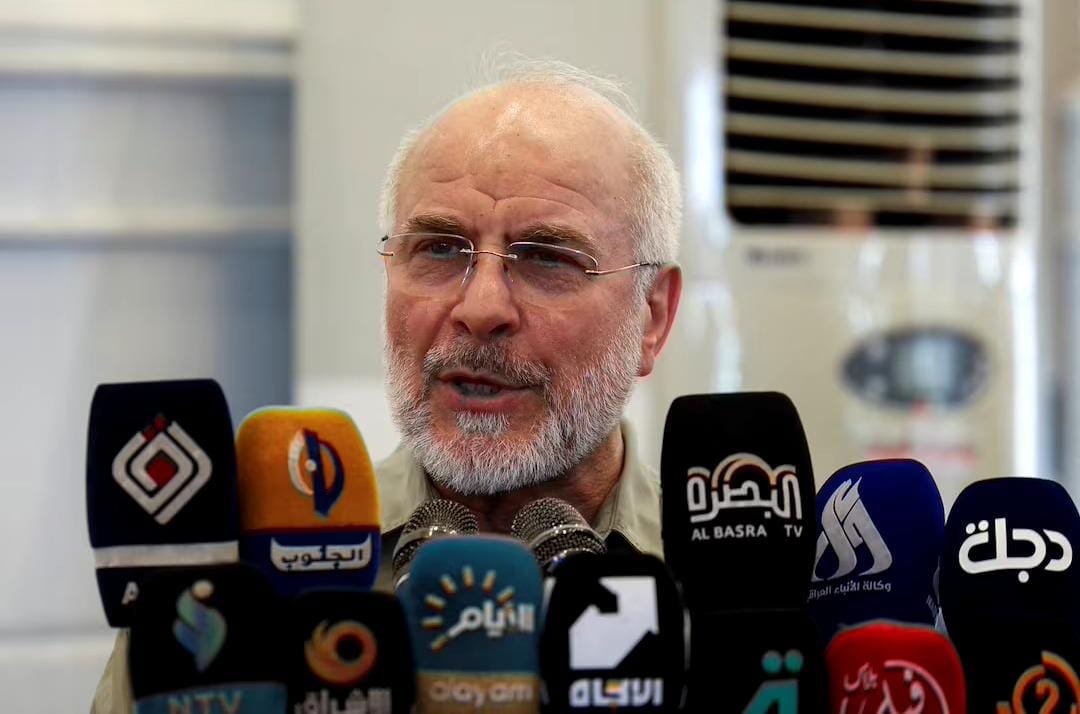
Lebanese Prime Minister Nawaf Salam has condemned recent Israeli military operations in southern Lebanon, describing them as a “blatant violation of the ceasefire” and accusing Israel of breaching Lebanon’s sovereignty and international law. His statement came on Friday as tensions persist along the border ahead of another round of US-brokered negotiations between the two countries.
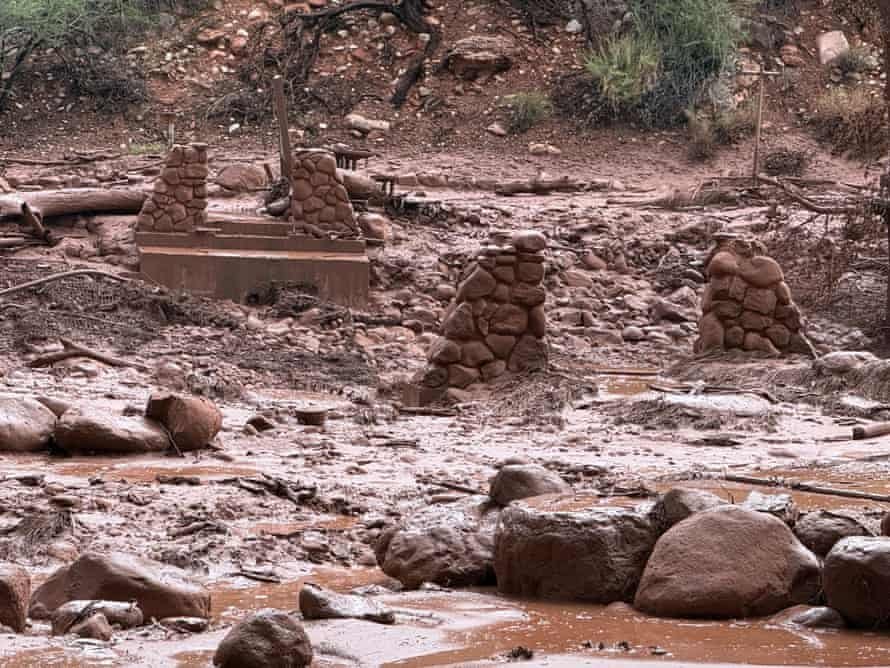
In a post on X, Salam said the ongoing military actions, including explosions, shelling and destruction in southern Lebanon, were putting civilians at risk while also causing damage to archaeological sites recognised as UNESCO World Heritage landmarks.
Nawaf Salam Condemns Israeli Attacks
According to Salam, the recent Israeli operations represent more than a security concern, alleging that they violate the existing ceasefire framework and undermine internationally accepted legal principles. He also accused Israel of escalating tensions at a time when diplomatic efforts continue to prevent further conflict.
“The ongoing Israeli assaults in southern Lebanon–through explosions, shelling, and systematic destruction–represent a blatant violation of the ceasefire, in addition to constituting a flagrant breach of Lebanon’s sovereignty and security, as well as the principles and rules of international law,” Salam said.
The Lebanese Prime Minister further stated that the military actions threaten communities living in southern Lebanon while affecting sites regarded as an important part of the country’s historical and cultural heritage.
“They not only embody a condemned escalatory approach but also pose a threat to the safety of our people in the south, not to mention the damage inflicted upon the archaeological landmarks inscribed on UNESCO’s World Heritage List, which constitute a cherished part of our nation’s history,” he added.
Concerns Raised Over Civilian Safety and Heritage Sites
Beyond security concerns, Salam highlighted the reported impact on UNESCO-listed archaeological landmarks in southern Lebanon. He said these sites represent an important part of Lebanon’s national heritage and should be protected during periods of conflict.
The statement reflects the Lebanese government’s concern that the continuing military activity could have humanitarian as well as cultural consequences, with civilians and historic locations both affected by the ongoing situation.
Diplomatic Efforts Continue Amid Border Tensions
Salam’s remarks were made as regional attention remains focused on diplomatic efforts aimed at maintaining stability along the Israel-Lebanon border. His comments also came shortly after the Israeli military announced operations targeting underground infrastructure in southern Lebanon, offering its own explanation for the military activity.
IDF Says Operation Targeted Hezbollah Tunnel Network
Responding to the developments, the Israel Defense Forces (IDF) said it had carried out a limited military operation in the security zone of southern Lebanon, where troops dismantled parts of an underground tunnel network beneath the Beaufort Ridge.
According to the Israeli military, the underground infrastructure served as a central command centre for Hezbollah’s Bader Unit, from where commanders allegedly coordinated combat operations and directed attacks against Israeli troops and civilian areas.
The IDF said the tunnel complex had been constructed over approximately two decades and consisted of multiple underground levels. It also claimed the infrastructure had been planned and funded by what it described as the Iranian terrorist regime.
Israeli Military Outlines Security Concerns
The Israeli military stated that the underground network was located around six kilometres from Metula and the Galilee Panhandle, describing it as a potential security threat to northern Israel.
According to the IDF, dozens of unmanned aerial vehicles (UAVs), explosive devices and anti-tank missiles had allegedly been launched from the tunnel network during the conflict. The military said a significant portion of the underground infrastructure had now been dismantled after Israeli forces secured operational control of the area.
The IDF added that its soldiers remain deployed near the Ali Taher Ridge and are prepared for both defensive and offensive scenarios if required. It also maintained that its operations are intended to remove security threats while remaining committed to the ceasefire agreement with Lebanon.
Rome Talks Scheduled for Early August
The latest developments come ahead of another round of US-brokered discussions between Israel and Lebanon. According to a July 27 report cited by ANI from The Times of Israel, quoting the US State Department, the negotiations are scheduled to take place in Rome from August 4 to August 6.
The upcoming talks are expected to focus on regional security issues and efforts to maintain the ceasefire amid continuing tensions along the Israel-Lebanon border.

Praveen Yadav is the Founder and Editor at The Nation Bulletin. With over 3 years of experience in digital journalism and news reporting, he covers national affairs, governance, and breaking current events with a commitment to factual accuracy and verified reporting.