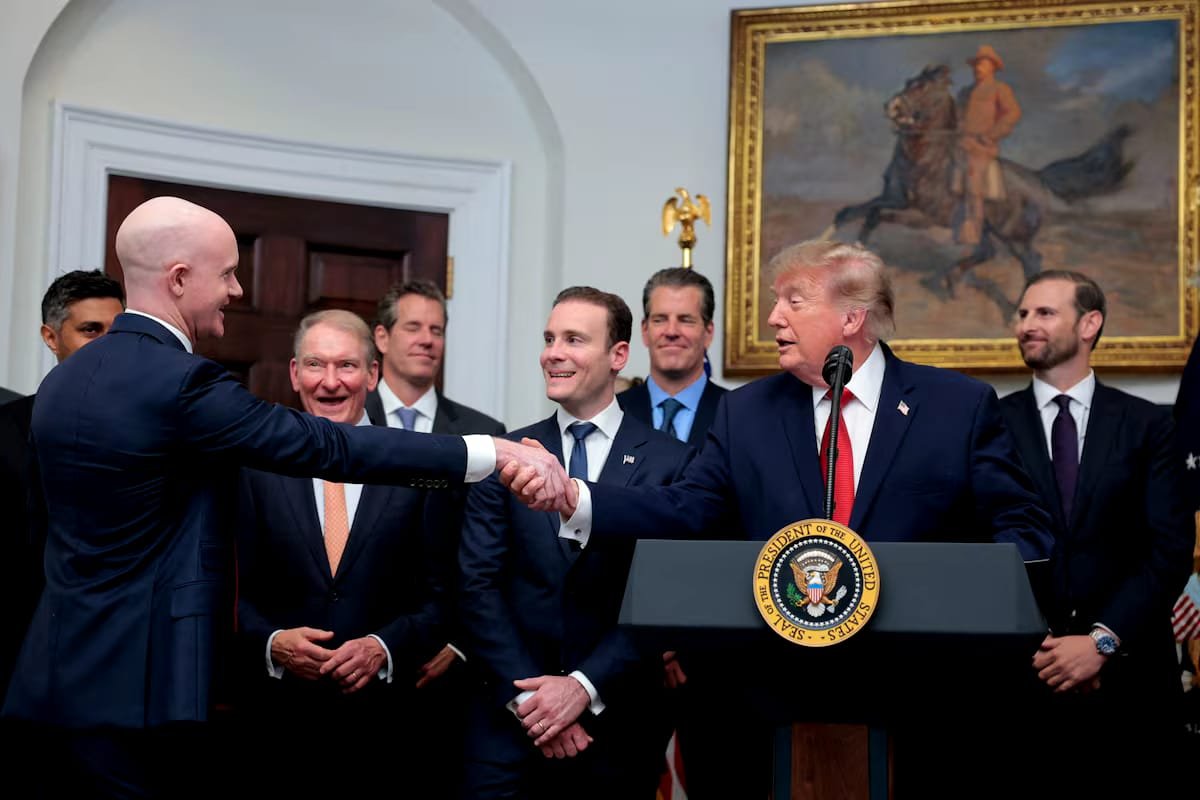
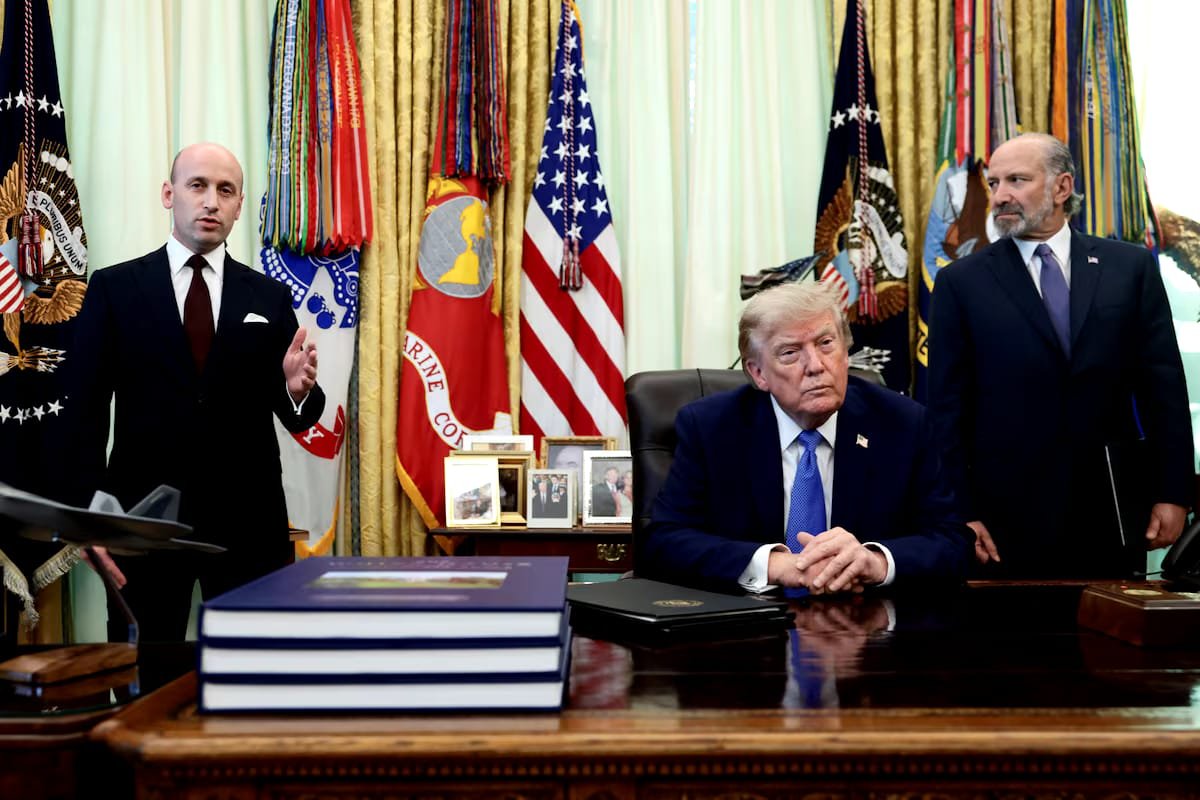
Acting U.S. Attorney General Todd Blanche has formally rescinded President Donald Trump’s proposed “Anti-Weaponization Fund,” removing a major obstacle that had threatened to derail his nomination to become the country’s next attorney general.
The decision was announced Sunday through an official order issued by Blanche, just days before the Senate Judiciary Committee is scheduled to vote on his nomination. The move follows weeks of discussions with Republican lawmakers who had raised concerns about the controversial agreement tied to a settlement between Trump and the Internal Revenue Service (IRS).
In a post on X, Blanche said he and his team had held extensive meetings with senators and committee members to address outstanding issues surrounding the agreement.
“My team and I have met with committee members and Senators over the past several weeks and addressed any concerns or outstanding questions. We have enjoyed good faith discussions, and as a result issue the following order and update with regard to the May IRS settlement,” Blanche wrote.
Official Order Ends Controversial Fund
The order, dated Sunday, states that the Justice Department’s May 18, 2026 directive establishing the Anti-Weaponization Fund “is rescinded and shall have no force or effect.”
The $1.8 billion fund had been created as part of a settlement agreement resolving a lawsuit Trump filed against the IRS. The proposal drew criticism from some Republican senators, who questioned both the purpose of the fund and the legal provisions included in the settlement.
Although Blanche had previously indicated that the program was effectively abandoned and the Justice Department had informed courts it would not move forward, this marks the first formal written order officially rescinding it.
Republican Senators Welcome the Decision
The fund had become a central point of opposition from Republican Senators John Cornyn of Texas and Thom Tillis of North Carolina, both members of the Senate Judiciary Committee responsible for reviewing Blanche’s nomination.
Following Sunday’s order, Cornyn and Tillis issued a joint statement saying they were pleased with Blanche’s decision and now expected to support moving his nomination forward.
The senators said they looked forward to voting to advance Blanche’s nomination out of the Senate Judiciary Committee in the coming days.
Fund Was Designed for Alleged Victims of Government Weaponization
The proposed Anti-Weaponization Fund would have provided taxpayer-funded compensation to individuals who claimed they had been targeted through what supporters described as political weaponization by the federal government.
According to the agreement, people connected to the January 6, 2021, attack on the U.S. Capitol were among those who could have qualified for payments under the program, making it one of the most controversial elements of the settlement.
The proposal sparked concern among lawmakers, particularly regarding how public funds would be distributed and who would be eligible for compensation.
Order Also Clarifies Tax Investigation Provision
Beyond rescinding the fund, Blanche’s order also addresses another issue raised by Senate Republicans regarding an addendum in the settlement agreement involving tax investigations.
The revised order states that the provision applies only retroactively and only to the individuals specifically named in the IRS lawsuit. The clarification was intended to address concerns that the language could otherwise be interpreted more broadly.
Senator John Cornyn had sought written confirmation that the measure covered only past tax investigations involving President Donald Trump and the other named parties, rather than extending protection to future matters.
Cornyn and Tillis said the clarification resolved concerns shared by several Republican lawmakers and helped pave the way for Blanche’s confirmation process to continue.
Confirmation Vote Approaches
The Senate Judiciary Committee is scheduled to vote on Blanche’s nomination on Tuesday. If approved by the committee and later confirmed by the full Senate, he could take office before lawmakers begin a five-week congressional recess.
Blanche’s nomination had faced uncertainty after resistance from Cornyn and Tillis threatened to delay or block the confirmation process. President Trump had previously suggested he might temporarily withdraw the nomination and submit it again after the senators leave office next year if sufficient support could not be secured.
According to the report, Blanche met privately with the two senators last week as negotiations continued over the disputed provisions. While the discussions did not immediately produce an agreement, they were described as making progress.
Trump Defended the Proposal
Before Blanche’s latest order, President Trump continued to defend the Anti-Weaponization Fund, describing it as compensation for supporters and allies whom he believes were unfairly targeted by the federal government.
Speaking to reporters aboard Air Force One, Trump said the fund would serve as reimbursement for what eligible individuals had endured.
Trump also indicated that if Blanche’s nomination failed because of the issue, he would seek to revive the proposal by asking Congress to enact the fund through legislation.
Earlier, Senator Thom Tillis warned that Blanche’s confirmation could be jeopardized if the administration reversed course on commitments made during negotiations.
White House Yet to Comment
The order rescinding the fund was signed by Blanche but not by President Trump or his personal legal team. CNN reported that it has contacted the White House for comment regarding the latest development.
With the controversial fund now formally withdrawn and the settlement language clarified, attention turns to Tuesday’s committee vote, which will determine whether Blanche’s nomination advances to the full Senate for final consideration.

Praveen Yadav is the Founder and Editor at The Nation Bulletin. With over 3 years of experience in digital journalism and news reporting, he covers national affairs, governance, and breaking current events with a commitment to factual accuracy and verified reporting.