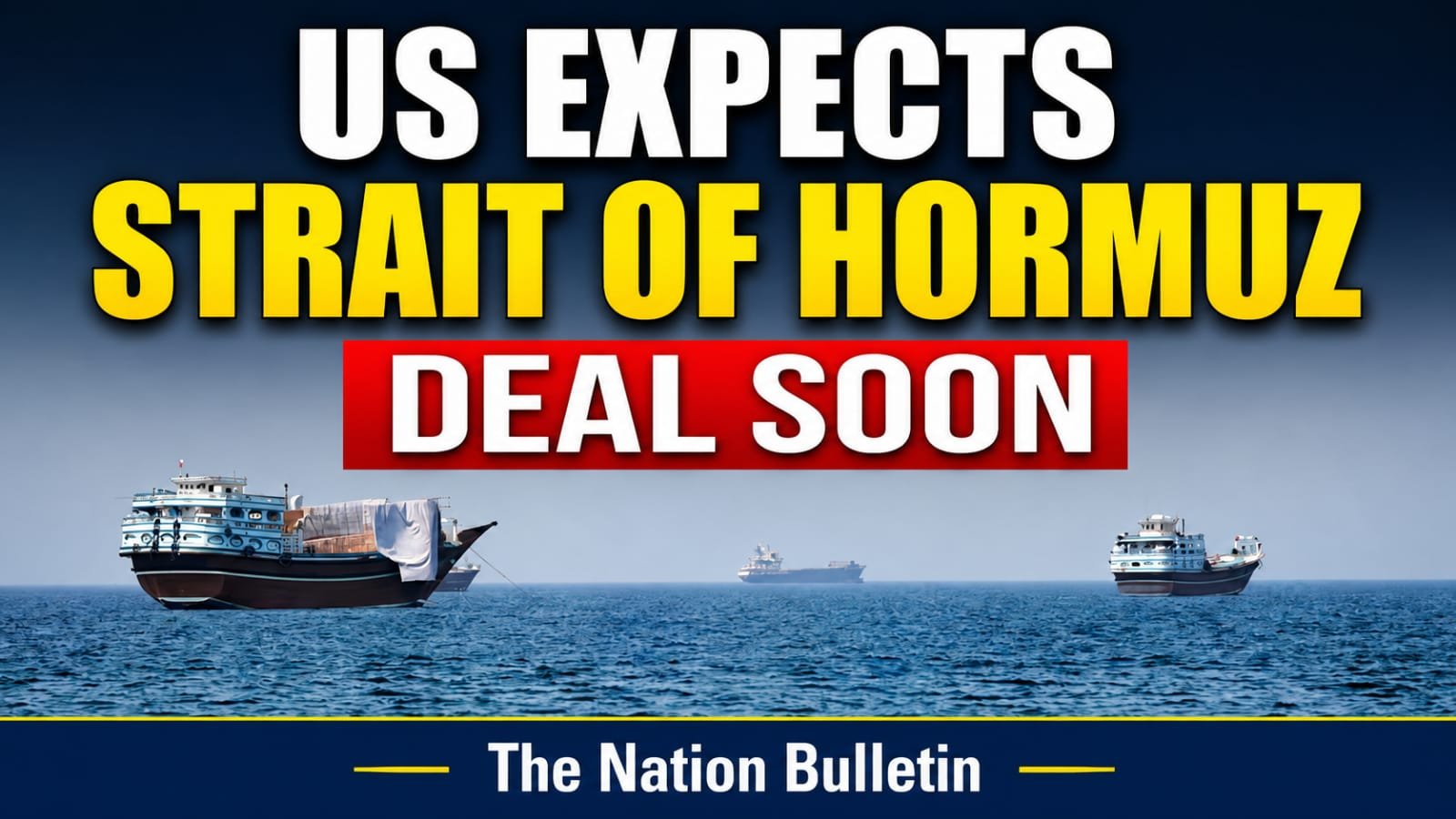
DUBAI/WASHINGTON/CAIRO — Iran said on Sunday that an agreement with Oman to establish new shipping lanes through the Strait of Hormuz had reached its “final stages”, but stressed that the strategically important waterway would not reopen until the United States met additional conditions set by Tehran.
Key Highlights
- Iran says the Oman-mediated agreement on new Strait of Hormuz shipping lanes is in its final stages.
- Tehran says reopening the waterway depends on additional U.S. actions, including compensation and an end to sanctions and threats.
- The United States has indicated that a blockade of Iranian ports could be lifted after commercial shipping through the strait is restored.
- Regional tensions continued as the UAE reported an attack on a ship linked to its state oil company and Houthi forces claimed a drone strike on Saudi Aramco’s Jazan refinery.
Iran Says Strait of Hormuz Deal Is Near Completion
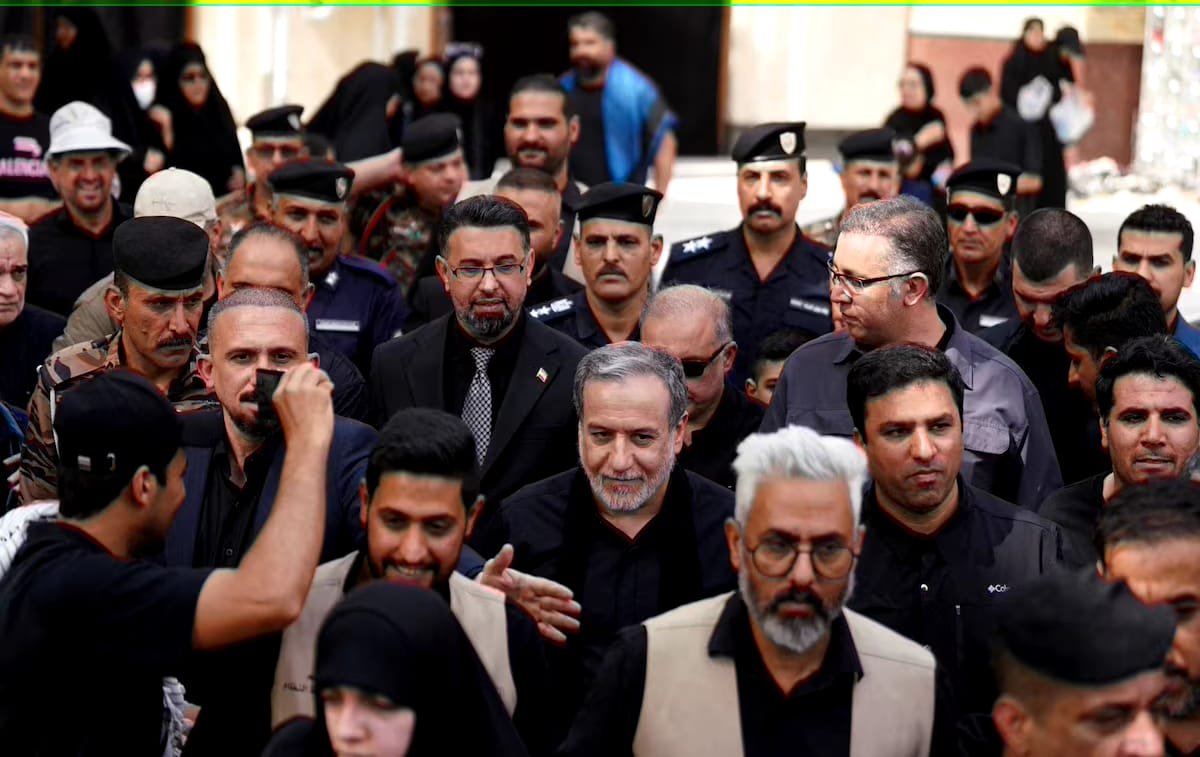
Iranian Foreign Minister Abbas Araqchi said an agreement concerning the Strait of Hormuz was in its “final stages”. According to Iran’s Mehr news agency, the arrangement would establish new shipping lanes for commercial vessels once the conditions required by Tehran are fulfilled and the waterway is reopened.
The comments followed a statement from a U.S. official on Friday that an agreement between Iran and Oman was close and could potentially allow the waterway to reopen soon. The strait is a major global energy route that carried about one-fifth of worldwide oil and liquefied natural gas shipments before Iran blocked it.
Tehran Sets Additional Conditions for Reopening
Iran has made clear that reaching an agreement over shipping lanes alone will not automatically result in the reopening of the strait. Araqchi said Tehran’s decision would depend on additional conditions, including compensation from the United States for its attacks on Iran.
Mohammad Baqer Zolqadr, secretary of Iran’s top national security body, also listed several demands. These included an end to U.S. threats against Iran, an end to what Tehran describes as aggression against Iran and its allies in Lebanon, Palestine, Yemen and Iraq, the lifting of the blockade and sanctions, and the release of Iranian assets.
The development highlights the difficult sequence of steps surrounding any potential reopening of the waterway. The U.S. has indicated that its actions would be linked to Iran implementing its own commitments.
US and Iran Remain Outside Direct Talks
Despite the possibility of progress on the shipping arrangement, Araqchi said Iran and the United States were not directly negotiating. Tehran, he said, would not begin talks while Washington remained in breach of an interim agreement signed in June.
Messages between the two sides are nevertheless being exchanged through intermediaries, according to the Iranian foreign minister. The latest comments suggest that any wider agreement could depend on resolving several issues beyond the immediate question of commercial navigation.
US Signals Possible Easing of Iranian Shipping Blockade
A U.S. official told Reuters that Washington could lift its blockade of Iranian ports once an agreement was announced to restore commercial shipping through the Strait of Hormuz without impediments.
The official said U.S. actions would be tied to Iran’s implementation of its commitments. Earlier discussions had reportedly raised concerns among shippers over an arrangement that could give Tehran control over vessels entering the Gulf through the strait.
Shipping operators have indicated that such an arrangement could be difficult to implement, adding another layer of uncertainty to negotiations over the waterway.
Regional Shipping Security Remains Under Pressure
The uncertainty surrounding the Strait of Hormuz comes amid continuing attacks and military tensions across the region. The United Arab Emirates said on Saturday that Iran had attacked a ship affiliated with its state oil company. Iran had not immediately commented on the allegation.
Iran’s Revolutionary Guards have previously attacked ships, saying vessels had failed to coordinate their passage through the strait with Iranian authorities.
Houthis Claim Attack on Saudi Aramco Refinery
Regional tensions also extended beyond the Gulf. Yemen-based Houthi forces claimed on Sunday that they had attacked Saudi Aramco’s Jazan refinery using a drone.
The Saudi energy ministry confirmed that a fire had broken out at the refinery but said it was later extinguished, with no injuries reported. The ministry did not provide a cause for the fire.
Houthi military spokesperson Yahya Saree said the group had carried out the drone attack. The group has previously targeted Aramco facilities in Jazan, a southwestern Saudi region where the refinery processes around 400,000 barrels of crude oil per day.
Saudi Arabia, Turkey and Pakistan Sign Defence Pact
The claimed refinery attack came two days after Saudi Arabia signed a defence pact with Turkey and Pakistan amid growing regional instability linked to the U.S.-Israeli war against Iran.
Turkey’s Foreign Minister Hakan Fidan said the new alliance was not directed against Iran or another specific country. He described it as a broader commitment to security, with the participating countries expected to determine through consultations the nature and extent of assistance required in the event of an attack.
It was not immediately clear whether or how Turkey or Pakistan would participate in any Saudi response to the latest Houthi attack.
What Happens Next for the Strait of Hormuz?
The proposed Oman-mediated arrangement now faces a series of conditions that extend beyond the technical creation of new shipping lanes. Iran is demanding broader U.S. actions, while Washington has linked the easing of its blockade to Iranian implementation of commitments.
With the Strait of Hormuz serving as a major global energy corridor, the timing and terms of any reopening will remain closely watched by shipping and energy markets. The latest developments also come as attacks involving Iran, its regional allies and Gulf states continue to add uncertainty to commercial navigation.
Frequently Asked Questions
Why is the Strait of Hormuz important?
The Strait of Hormuz is a major global energy shipping route. Before Iran blocked the waterway, it carried about one-fifth of global oil and liquefied natural gas shipments.
What conditions has Iran linked to reopening the Strait of Hormuz?
Iran has said reopening depends on additional U.S. actions, including compensation, an end to threats and aggression, lifting the blockade and sanctions, and releasing Iranian assets.
The Bigger Picture
Iran’s statement that the Oman-mediated Strait of Hormuz agreement has reached its final stages signals potential progress on restoring commercial navigation, but the waterway’s reopening remains conditional. Tehran and Washington continue to differ over the sequence of actions required, while attacks and military developments elsewhere in the region add further uncertainty to the situation.
Source Attribution: This report is based solely on the Reuters material supplied for this article.

Praveen Yadav is the Founder and Editor at The Nation Bulletin. With over 3 years of experience in digital journalism and news reporting, he covers national affairs, governance, and breaking current events with a commitment to factual accuracy and verified reporting.