OSLO, Norway — Norway’s $2.3 trillion sovereign wealth fund reported a record first-half profit of more than $184 billion, with strong gains in Asian technology stocks helping the portfolio deliver a 9.4% return during the first six months of the year.
- Record profit: Norges Bank Investment Management earned more than 1.75 trillion Norwegian kroner, equivalent to about $184.9 billion.
- Strong technology gains: Asian semiconductor and technology stocks were major contributors to the fund’s performance.
- SpaceX stake revealed: The fund disclosed a 0.05% holding in SpaceX valued at more than $1.2 billion.
- Market caution: NBIM chief Nicolai Tangen warned that the fund’s value can experience significant declines as well as gains.
Technology Stocks Drive Norway Wealth Fund Gains
Norges Bank Investment Management manages the fund, which was established in the 1990s to invest Norway’s oil and gas revenues. The portfolio is now valued at around $2.34 trillion and includes investments in more than 7,000 companies across more than 50 countries.
The fund owns stakes equivalent to roughly 1.5% of publicly listed stocks worldwide. Equities account for more than two-thirds of its broader portfolio, alongside fixed-income investments, real estate and renewable energy infrastructure.
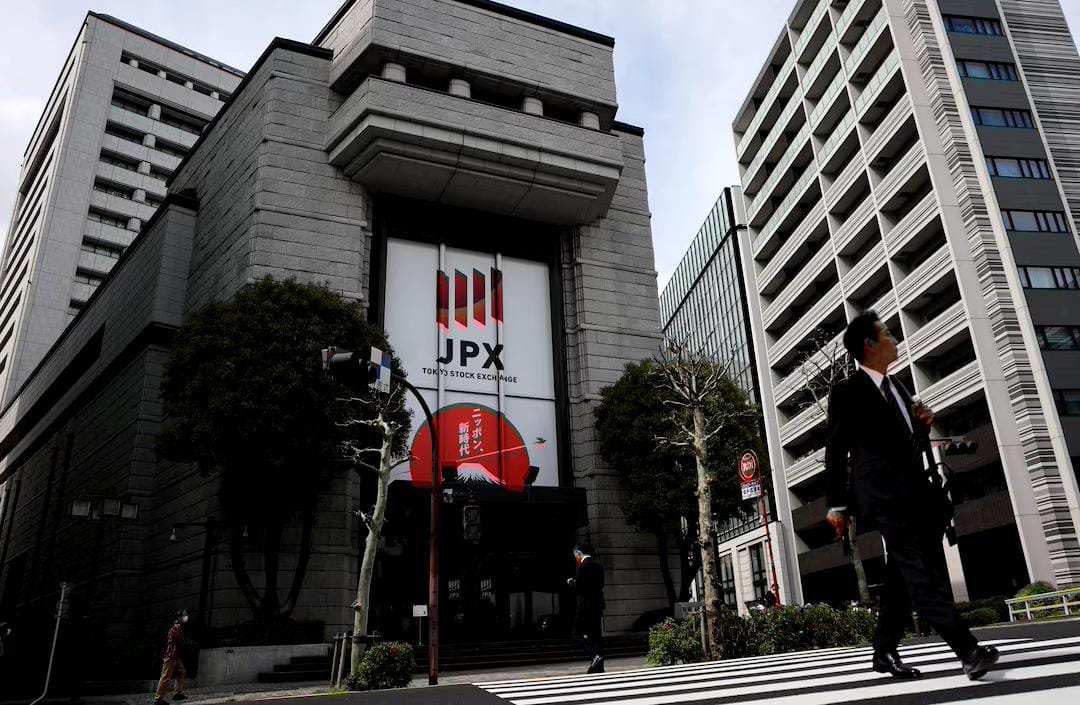
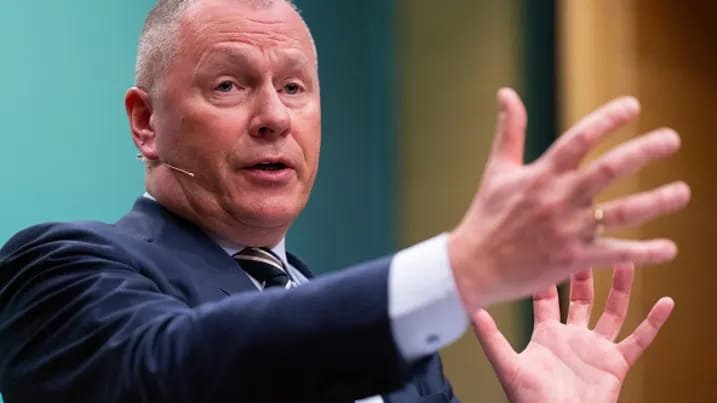
NBIM CEO Nicolai Tangen attributed the first-half performance largely to equity-market gains, particularly among Asian technology companies. Semiconductor names including Samsung, SK Hynix, TSMC, ASML, Intel and Nvidia featured among the strongest-performing holdings.
SpaceX Stake Valued at More Than $1.2 Billion
The first-half report also provided the first disclosure of the fund’s stake in SpaceX. NBIM held 0.05% of the privately held space company, with the investment valued at just over $1.2 billion.
The SpaceX position makes Norway’s sovereign wealth fund an investor in two major companies associated with Elon Musk. The fund also owns a 1% stake in Tesla, which was valued at around $15.7 billion at the end of the first half.
SpaceX shares experienced substantial volatility following their June initial public offering. After an early rally, the stock lost significant value by the end of July before closing above its IPO price again on Monday.
NBIM Deputy CEO Trond Grande declined to discuss changes in individual holdings when questioned about the SpaceX position. He said the fund had been roughly at its index weighting during the first half and over the summer as well.
Fund’s Relationship With Elon Musk Has Been Tense
The SpaceX disclosure comes against the backdrop of disagreements between NBIM and Musk over Tesla governance and executive compensation.
NBIM voted against Musk’s $56 billion Tesla compensation package in 2024. The fund later opposed a separate trillion-dollar compensation package at Tesla’s annual shareholder meeting in late 2025.
At the time, NBIM said it recognized the value created under Musk’s leadership but expressed concerns about the scale of the award, dilution and key-person risk. The fund said it would continue discussions with Tesla on those issues.
The relationship also drew attention after Musk reportedly declined an invitation from Tangen to a private dinner and an NBIM conference in Oslo. A message attributed to Musk and disclosed under Norway’s freedom-of-information law criticized the relationship between the two men.
Quarterly Volatility Highlights Market Risks
The fund’s overall results also reflected sharp swings in global equity markets. Its equity investments declined 2.6% during the first quarter as markets faced concerns surrounding artificial intelligence valuations and the U.S.-Iran war.
Conditions improved sharply in the second quarter, when NBIM’s equity holdings gained 15.98%. That rebound helped produce a first-half equity return of 12.95% and contributed to the fund’s overall 9.4% return.
Tangen Warns Norway Against Taking Wealth for Granted
Despite the record result, Tangen cautioned that Norway’s enormous investment portfolio remains exposed to market risks. Speaking at Norway’s Arendalsuka political conference, he described the fund as a financial resource for the country while stressing that its value can rise and fall.
“Can the fund disappear? The answer to that question is ‘yes’,” Tangen said.
He argued that large financial fortunes have historically not been preserved indefinitely, underscoring the risks faced by a fund whose value is tied heavily to global financial markets.
What the Record Result Means for the Fund
The first-half performance highlights the growing influence of technology and semiconductor stocks on the returns of Norway’s sovereign wealth fund. At the same time, the volatility experienced during the year demonstrates how quickly market conditions can change.
With around 40% of the portfolio invested in U.S. equities and major positions in companies such as Nvidia, Apple and Microsoft, the fund remains closely exposed to movements in global technology markets. The newly disclosed SpaceX holding adds another high-profile technology investment to its extensive portfolio.

Praveen Yadav is the Founder and Editor at The Nation Bulletin. With over 3 years of experience in digital journalism and news reporting, he covers national affairs, governance, and breaking current events with a commitment to factual accuracy and verified reporting.