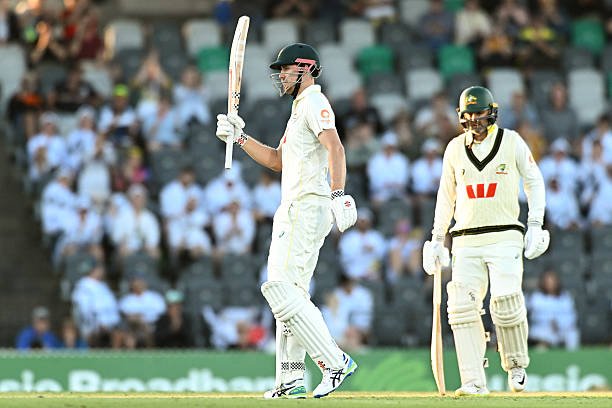
GALLE, Sri Lanka — Devdutt Padikkal turned his maiden Test century for India into a commanding 167 on a rain-affected second day of the Galle Test against Sri Lanka, helping India reach 460 for 9. Padikkal’s approach was built around attacking spin, maintaining focus after reaching three figures and continuing to push the scoring rate as India looked to make the most of limited playing time.
Key Highlights
- Devdutt Padikkal scored 167 in his maiden Test century for India.
- He became the first player to reach three figures for India in any format.
- Padikkal repeatedly attacked Sri Lanka’s spinners with proactive footwork and shot selection.
- India finished day two at 460 for 9 after 55 overs were lost to rain.
Devdutt Padikkal Turns First Test Hundred Into a Big Score
Padikkal’s 167 was more than a landmark century. It showed his determination to convert a strong start into a substantial innings. He explained that reaching a hundred can bring relief to a batter, but he tries to remain completely focused during the next 20 to 30 balls.
That mindset helped Padikkal continue beyond three figures. He converted a first-class hundred into a score of 150 or more for the sixth time in 10 attempts, underlining his ability to build long innings once established at the crease.
The batter also credited the influence of cricketers he had watched while growing up in Karnataka. Seeing players from the region produce big scores, he said, created an ambition to achieve similar results himself.
Padikkal Puts Sri Lanka’s Spinners Under Pressure
Padikkal was aggressive against spin from the moment he arrived at the crease. He pulled his first delivery for four before stepping out to hit his sixth ball for a six, immediately making it harder for Sri Lanka’s bowlers to settle into a comfortable length.
According to Padikkal, India’s batters have spent considerable time discussing how to approach spin. Rather than relying entirely on reactions to individual deliveries, the team has worked on entering an innings with specific scoring options that can put pressure back on the bowler.
That clarity also helped Padikkal’s footwork. He used the depth of the crease effectively, particularly against deliveries that were slightly short, and stressed the importance of committing fully to every shot, including defensive strokes.
Galle Pitch Expected to Become More Challenging
India ended the day with the pitch showing increasing signs of sharp turn. Padikkal, however, felt the surface would need more time before becoming genuinely difficult to bat on.
He expected conditions to change over the next couple of sessions, pointing to the tendency of the Galle surface to quicken up during the third and fourth days. Padikkal also hoped those changes would eventually assist India’s bowlers.
Dhruv Jurel Explains India’s Approach
India’s urgency was also reflected in Dhruv Jurel’s 51 from 68 deliveries. With 55 overs lost because of rain, the lower order sought to add runs quickly without abandoning sensible cricket.
Jurel said the objective was to score as many runs as possible while building useful partnerships with Rishabh Pant and the batters following him. The approach was aggressive, but not reckless from the outset.
Having also played in India A’s shadow tour of Sri Lanka before the Test series, Jurel said the Galle wicket can change rapidly depending on weather conditions. Moisture can enter when covers remain on, while sunshine can make the surface drier.
India’s Bowlers Face the Next Challenge
Jurel believes India’s bowlers will need to maintain discipline when Sri Lanka eventually begin their innings. He stressed the importance of bowling long spells, consistently hitting good areas and remaining determined throughout the attack.
For India, the equation is straightforward: after building a substantial total despite the rain interruptions, the bowlers will need to take 20 wickets if the team is to secure victory in the Test.
Frequently Asked Questions
Why was Devdutt Padikkal aggressive against spin?
Padikkal said India’s batters have worked on having clear plans against spin so they can put pressure on bowlers rather than simply reacting to every delivery.
What did Dhruv Jurel say about the Galle pitch?
Jurel said the surface can change quickly depending on weather conditions, with moisture and sunshine influencing how the wicket behaves during the match.
What Happens Next
India will look to complete their innings and turn their strong first-innings position into pressure on Sri Lanka. The changing nature of the Galle pitch and the effectiveness of India’s bowling attack will be central to the next phase of the Test.
Source attribution: This report is based solely on the supplied match report and post-play interviews with Devdutt Padikkal and Dhruv Jurel.

Praveen Yadav is the Founder and Editor at The Nation Bulletin. With over 3 years of experience in digital journalism and news reporting, he covers national affairs, governance, and breaking current events with a commitment to factual accuracy and verified reporting.