WASHINGTON, United States — President Donald Trump’s approval rating has fallen to 33%, its lowest point of his current presidency, as concerns grow among Americans over the duration of the US conflict with Iran and the impact of higher gasoline prices, according to the latest Reuters/Ipsos poll.
- Trump approval: 33% of respondents approved of his performance, while 64% disapproved.
- Iran conflict: 80% of Americans expect US involvement in Iran to continue for an extended period.
- War support: Only about one in five Americans believes the conflict has been worth it.
- Economy: Democrats were preferred over Republicans on handling the economy, 38% to 35%.
Trump Approval Rating Drops to 33%
The Reuters/Ipsos poll found that Trump’s approval rating had declined from 35% in a survey that concluded earlier this month. The latest 33% figure represents the lowest approval rating recorded during his current presidency.
The result also matches the lowest approval level recorded during Trump’s previous presidential term, which was reached in December 2017.
Overall, 64% of respondents said they disapproved of Trump’s performance in the White House. The latest result marks another decline in Trump’s standing with voters after he returned to office in 2025 with approval from just under half of the country.
Iran War Weighs on Trump’s Approval
The poll comes as the conflict involving the United States and Iran continues to influence public opinion. Trump had initially said the conflict would last only a few weeks, but the latest polling suggests most Americans do not expect a quick conclusion.
Some 80% of respondents said they believed US involvement in Iran would continue for an extended period. The figure included 87% of Democrats and 71% of Republicans.
Only 16% of those surveyed expected the conflict to end within a few weeks, highlighting the gap between the administration’s earlier expectations and public perceptions about the war’s duration.
Most Americans Question Whether the War Is Worth It
Public support for the conflict also remains limited. According to the Reuters/Ipsos survey, only about one in five Americans said the war had been worth the cost.
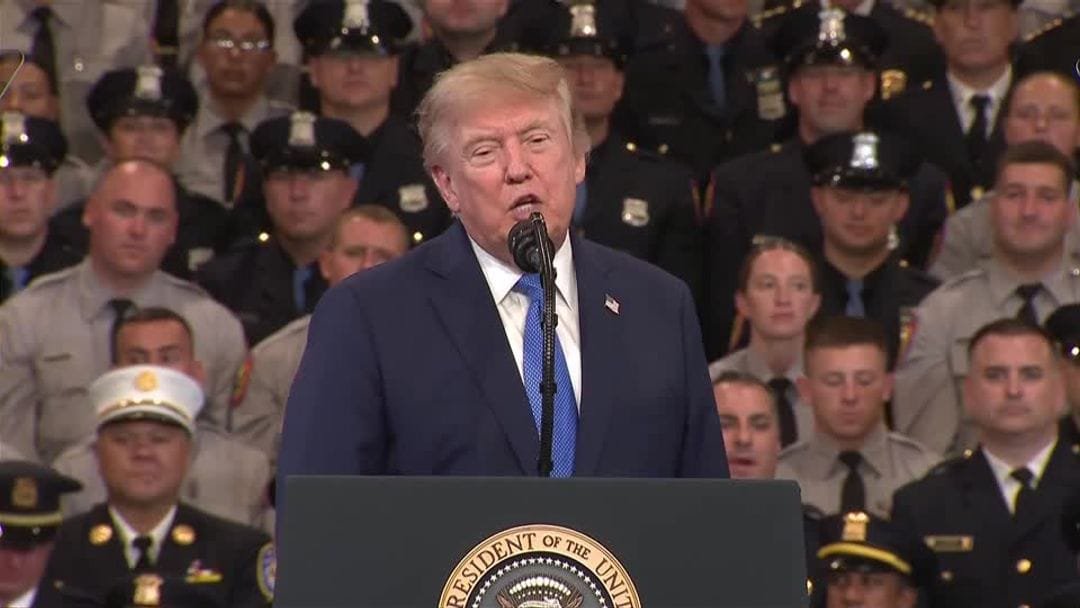
Trump has repeatedly presented preventing Iran from obtaining a nuclear weapon as one of his reasons for military action. At a political rally in Garden City, New York, on Friday, he argued that Americans paying slightly more for gasoline was justified by the broader objective of preventing Iran from obtaining a nuclear weapon.
During the conflict, Trump has alternated between warnings of further escalation and statements suggesting that a peace agreement could be reached.
Gasoline Prices Add to Political Pressure
The conflict has also affected the global oil market, according to the supplied Reuters report. Disruption to the oil trade has contributed to higher gasoline prices in the United States, increasing pressure on American households.
The issue is particularly significant for Trump because controlling inflation and keeping household costs under control were central themes of his campaign. Higher fuel prices therefore create an additional political challenge for the administration.
The economic pressure is also being felt by Republican candidates as they prepare for the November 3 midterm elections, with the party seeking to defend its congressional majorities.
Democrats Gain an Edge on the Economy
The latest Reuters/Ipsos polling also showed movement in voters’ views about which party is better equipped to manage the US economy.
For the first time in about a decade, voters in Reuters/Ipsos polling this month preferred Democrats over Republicans on economic management. In the latest survey, 38% said Democrats would handle the economy better, compared with 35% who preferred Republicans.
Democrats were also viewed more favorably when it came to managing the cost of living, according to the poll.
Republican Advantage on Immigration Narrows
Immigration remains an area where Republicans continue to hold an advantage, but the gap has narrowed substantially during Trump’s presidency.
In the latest survey, 40% of registered voters said Republicans had the better approach to immigration policy, compared with 38% who chose Democrats.
The two-point Republican advantage was the smallest recorded during Trump’s term, according to the supplied Reuters/Ipsos data. In January 2025, Republicans held a 26-point advantage on the issue.
The shift comes amid Trump’s nationwide immigration crackdown, which has been accompanied by a sharp decline in border crossings but also by deadly confrontations and a rise in the number of detainees, including children.
Republicans Face Midterm Election Pressure
The polling figures arrive ahead of the November 3 congressional elections, when Republicans will seek to protect their slim majority in the US House of Representatives.
Concerns about the Iran conflict, fuel prices and the broader cost of living could become important issues for Republican candidates defending their seats.
Democrats, meanwhile, increasingly see an opportunity to compete for control of the Senate as voter concerns over the economy and the administration’s foreign policy add to the political pressure on Republicans.
Reuters/Ipsos Poll: Key Numbers
| Issue | Polling Result |
|---|---|
| Trump approval | 33% |
| Trump disapproval | 64% |
| Americans expecting extended US involvement in Iran | 80% |
| Democrats expecting extended involvement | 87% |
| Republicans expecting extended involvement | 71% |
| Expecting conflict to end in a few weeks | 16% |
| Democrats preferred on economy | 38% |
| Republicans preferred on economy | 35% |
| Republicans preferred on immigration | 40% |
| Democrats preferred on immigration | 38% |
How the Reuters/Ipsos Poll Was Conducted
The Reuters/Ipsos survey was conducted online over four days and concluded on Monday, August 17. It collected responses from 1,166 US adults nationwide.
The poll has a margin of error of three percentage points in either direction. The findings therefore provide a snapshot of public opinion at a time when the Iran conflict, gasoline prices, economic concerns and immigration remain major political issues.
Frequently Asked Questions
What is Donald Trump’s current approval rating in the latest Reuters/Ipsos poll?
Donald Trump’s approval rating was 33% in the latest Reuters/Ipsos survey, while 64% of respondents disapproved of his performance as president.
How many Americans expect the US involvement in Iran to continue?
The poll found that 80% of Americans expect US involvement in Iran to continue for an extended period. That included 87% of Democrats and 71% of Republicans.
What the Poll Means for Trump
The latest figures put Trump’s approval at the lowest level of his current presidency and highlight growing concerns about the Iran conflict, gasoline prices and the broader cost of living.
The poll also shows that Republicans retain an advantage on immigration, although that lead has narrowed considerably. At the same time, Democrats have moved ahead of Republicans on which party voters trust more to manage the economy.
With the November midterm elections approaching, the combination of presidential approval, economic sentiment and public attitudes toward the Iran conflict could become increasingly important to both parties.
Source attribution: This article is based exclusively on the Reuters report and Reuters/Ipsos polling information supplied for publication.

Praveen Yadav is the Founder and Editor at The Nation Bulletin. With over 3 years of experience in digital journalism and news reporting, he covers national affairs, governance, and breaking current events with a commitment to factual accuracy and verified reporting.