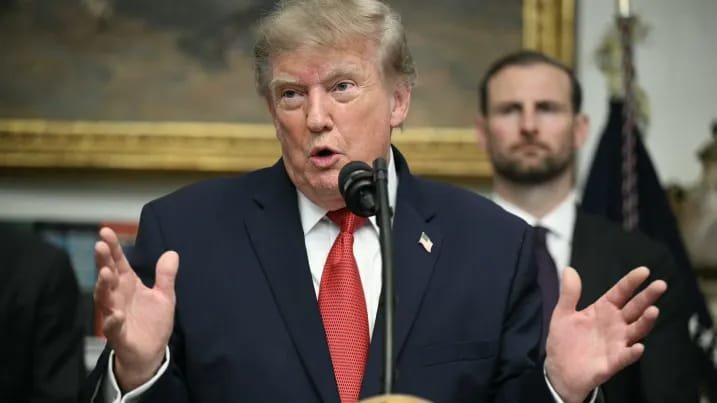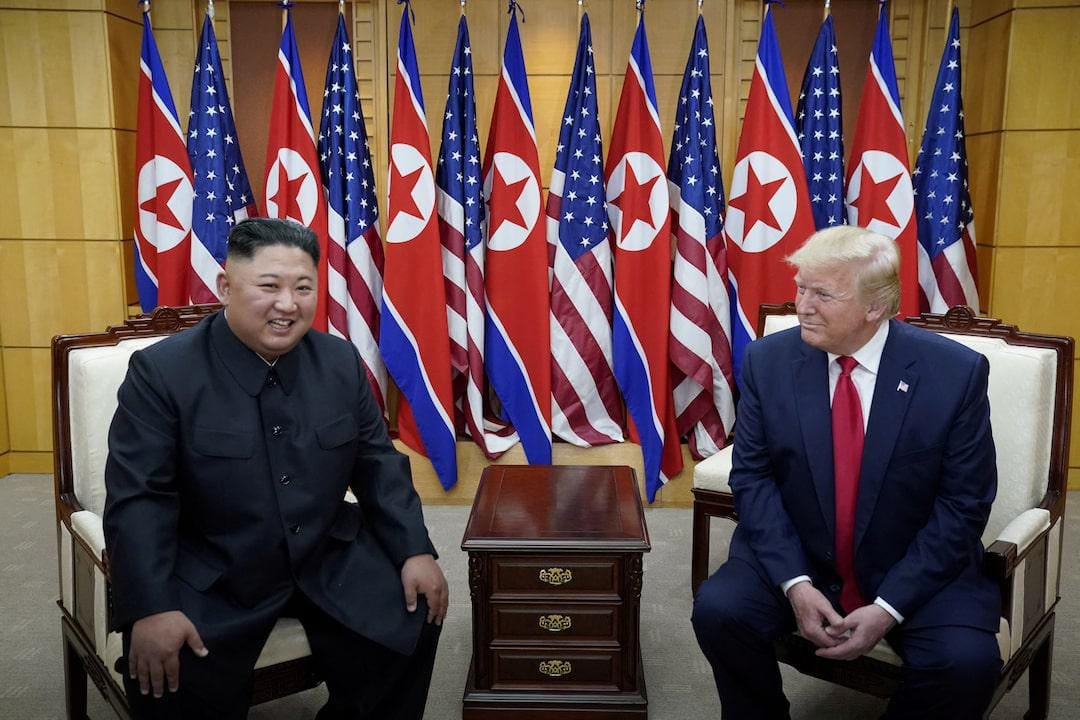
SEOUL, South Korea — U.S. President Donald Trump is seeking another meeting with North Korean leader Kim Jong Un later this year, but Pyongyang has responded cautiously, indicating that any renewed diplomacy could depend on significant changes in Washington’s approach to North Korea.
- Trump has said he wants to meet Kim Jong Un again later this year.
- North Korea has rejected the idea that the recent reduction in U.S.-South Korean military exercises is sufficient as a goodwill gesture.
- Pyongyang appears to be seeking major changes in U.S. policy before considering renewed negotiations.
- A possible Asia-Pacific Economic Cooperation summit in Shenzhen could provide an opportunity for contact if North Korea agrees to engage.
North Korea Pushes Back on Trump’s Outreach
Trump’s latest outreach follows his decision earlier this week to scale back joint U.S. military exercises with South Korea, which he described as “hostile” to North Korea. He subsequently said he expected to meet Kim later this year.
However, Kim Yo Jong, the North Korean leader’s influential sister, gave a cool response to the U.S. overture. While describing the personal relationship between Trump and Kim as “excellent,” she argued that the relationship should not be confused with broader U.S.-North Korea engagement.
Kim Yo Jong also dismissed the reduction in the Ulchi Freedom Shield exercise, saying that its continuation remained aggressive and that Washington’s overall policy toward Pyongyang was still hostile.
Trump Kim Jong Un Meeting Faces Major Obstacles
Analysts cited in the report said North Korea is likely to demand substantial changes before agreeing to meaningful negotiations. Jenny Town, a senior fellow at the Stimson Center, said Pyongyang could seek changes to U.S. policies it considers hostile as well as a different approach to the issue of its nuclear weapons.
The U.S. position remains different. A State Department spokesperson said Washington is committed to the complete denuclearisation of North Korea while also remaining open to dialogue without preconditions.
Trump and Kim held unprecedented summits in 2018 and 2019, but those efforts eventually broke down over U.S. demands that North Korea give up its nuclear weapons.
North Korea Has More Options Than During Trump’s First Term
Pyongyang’s strategic circumstances have also changed since Trump’s first presidency. North Korea has strengthened its ties with China and Russia, while expanding trade with both countries has reduced its dependence on sanctions relief as an incentive for negotiations.
Analysts said this could make Kim less willing to return to talks where substantial concessions are expected, particularly on issues linked to North Korea’s defence capabilities.
Ballistic Missile Launch Adds to Tensions
North Korea launched about 10 ballistic missiles off its east coast on Thursday, according to South Korea’s military. Analysts said the launches may have been a protest against the continuing U.S.-South Korean military exercises.
Kim Yo Jong warned that Pyongyang would not respond as Washington might expect if the latest measures were presented as a goodwill gesture. Her comments underscored North Korea’s view that changes to military exercises alone would not resolve the wider dispute.
Pyongyang Leaves Door Open to Future Talks
Despite its criticism, North Korea has not completely rejected the possibility of diplomacy. Hong Min, a senior research fellow at the Korea Institute for National Unification, said Kim Yo Jong’s statement appeared designed to encourage a more accommodating U.S. position while keeping the possibility of future talks open.
According to a person briefed on discussions between U.S. and South Korean officials, Trump may travel to the Asia-Pacific Economic Cooperation summit in Shenzhen later this year. The event could create an opportunity for a meeting if North Korea becomes receptive to renewed engagement.
South Korea has privately shown some receptiveness to Trump’s strategy, although officials in Seoul remain concerned about reducing joint military exercises with the United States. Its foreign ministry has expressed hope that Trump’s comments could contribute to meaningful dialogue with Pyongyang.
What Happens Next
The immediate challenge for any renewed Trump-Kim engagement will be reconciling Washington’s continued commitment to denuclearisation with Pyongyang’s demand for changes to U.S. policy. North Korea’s strengthened relationships with China and Russia also give Kim greater room to resist negotiations that require major concessions.
For now, both sides appear to be signalling their positions rather than entering formal negotiations. A possible meeting later this year would therefore depend not only on Trump’s willingness to engage, but also on whether Washington and Pyongyang can narrow their sharply different expectations for diplomacy.

Praveen Yadav is the Founder and Editor at The Nation Bulletin. With over 3 years of experience in digital journalism and news reporting, he covers national affairs, governance, and breaking current events with a commitment to factual accuracy and verified reporting.