LONDON, United Kingdom — The 2026 El Nino event could become the most intense in more than a century, according to UK forecasters, with an unprecedented rise in tropical Pacific sea surface temperatures potentially increasing the risk of drought, extreme heat, heavy rainfall and storms across different parts of the world.
- UK Met Office forecasts an El Nino event that could exceed recent historical experience.
- Sea surface temperature anomalies could rise above 3C in the coming months.
- Forecasters warn of heightened risks of drought, heat, intense rainfall and storms.
- The combination of El Nino and human-driven climate change could make 2027 the hottest year on record.
El Nino forecast raises global weather concerns
The UK Met Office said on Friday that the expected strength of this year’s El Nino could have significant consequences for global weather patterns. The agency described the projected conditions as unprecedented, with the potential scale of the warming standing well above the typical range associated with the climate phenomenon.
El Nino develops when unusually warm sea surface temperatures occur across the central and eastern tropical Pacific Ocean. Changes in the Pacific can then influence atmospheric circulation and weather patterns far beyond the region.
According to the Met Office, El Nino events typically involve sea surface temperature increases of around 1C to 2C. Forecasts for the 2026 event, however, indicate that temperatures could exceed 3C in the coming months.
Met Office calls projected El Nino intensity unprecedented
Adam Scaife, head of long-range forecasting at the Met Office, said the signal appearing in current forecasts was unlike anything he had previously observed at this level.
“We should be clear that this is an unprecedented event,” Scaife said.
He added that he had never seen an El Nino signal of such intensity in the agency’s forecasts. If the projected temperature rise materialises, Scaife said, 2026 would significantly exceed recent experience of El Nino and its worldwide climate effects.
The Met Office’s chief forecaster separately told the BBC that a three-degree rise would be “unheard-of in modern climate records”, underscoring the uncertainty and potential scale of the event being forecast.
Extreme weather risks could increase
The expected El Nino conditions could influence several types of extreme weather. The Met Office warned of increased risks of drought, high temperatures, intense rainfall and other disruptive weather effects.
The strongest impacts are expected in tropical regions. Scaife said particularly severe drought conditions could develop in parts of South America and the West Pacific as the El Nino pattern strengthens.
Such regional impacts are one reason forecasters are closely monitoring the development of the Pacific warming. El Nino does not produce identical conditions everywhere; its effects depend on the wider atmospheric response and the region being considered.
Europe could see wetter and stormier conditions
The Met Office expects the El Nino event to influence weather in northwestern Europe as autumn and winter arrive in the Northern Hemisphere. The UK and surrounding areas could experience wetter and stormier conditions during the period.
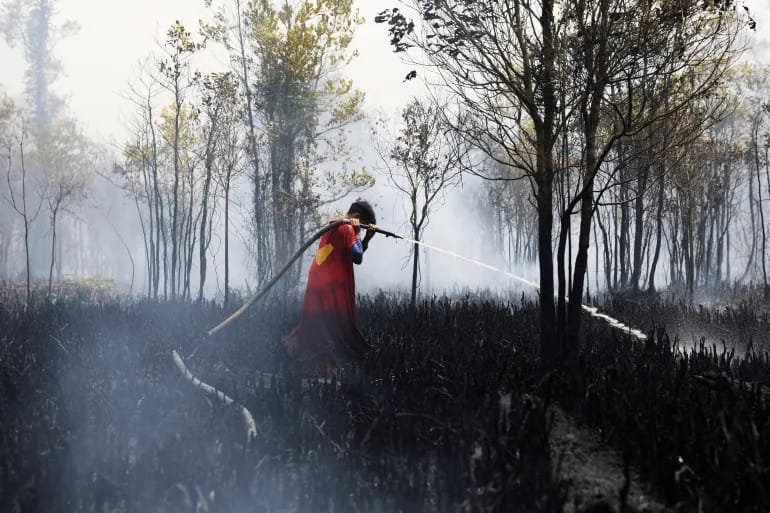
The forecast comes after an already challenging year for weather extremes in several parts of the world. Wildfires have affected large areas of Indonesia and southwestern Europe, while severe drought has affected other regions.
More than 200,000 hectares of land have been burned by wildfires in Indonesia this year, according to the supplied report. Fires in southwestern Europe have also forced at least 325,000 people to leave their homes in Spain and France.
UK has already experienced extreme heat
The latest El Nino warning follows a period of significant heat in the United Kingdom. In mid-August, temperatures in west London reached 38.1C, making it the UK’s hottest day of the year so far.
The reading surpassed the previous high of 38C recorded in June. The Met Office’s warning suggests that the developing El Nino pattern could add another influence to global and regional weather conditions in the months ahead.
However, the impact of El Nino varies across the globe. The phenomenon is a natural climate pattern, but its effects occur alongside other factors that influence weather and temperatures.
Climate change could amplify the impact
The Met Office has also highlighted the interaction between the forecast El Nino and human-induced climate change. According to the agency, the combination is very likely to contribute to another exceptionally warm year globally.
The forecasters warned that 2027 could become the hottest year on record if the projected El Nino develops as expected and combines with the ongoing warming influence of human-caused climate change.
The warning does not mean every region will experience record heat throughout the year. Instead, it reflects the potential effect of a very strong El Nino occurring in an already warming climate system.
Why the 2026 El Nino forecast matters
The projected intensity makes the 2026 event important for governments, emergency planners and communities preparing for weather-related risks. Drought-prone regions could face additional pressure on water supplies, while areas exposed to heavy rainfall and storms may need to prepare for more disruptive conditions.
For the UK and northwestern Europe, the Met Office’s focus is on the possibility of wetter and stormier autumn and winter conditions. In tropical regions, the concern is more strongly associated with severe drought and other weather extremes.
Scientists will continue monitoring sea surface temperatures and atmospheric conditions as the event develops. The final strength and global consequences of the 2026 El Nino will depend on how closely conditions follow the current forecasts.
For now, the Met Office’s assessment places the event among the most unusual El Nino scenarios in modern forecasting, with potential consequences extending from tropical droughts and extreme heat to wetter and stormier conditions in parts of Europe.

Praveen Yadav is the Founder and Editor at The Nation Bulletin. With over 3 years of experience in digital journalism and news reporting, he covers national affairs, governance, and breaking current events with a commitment to factual accuracy and verified reporting.