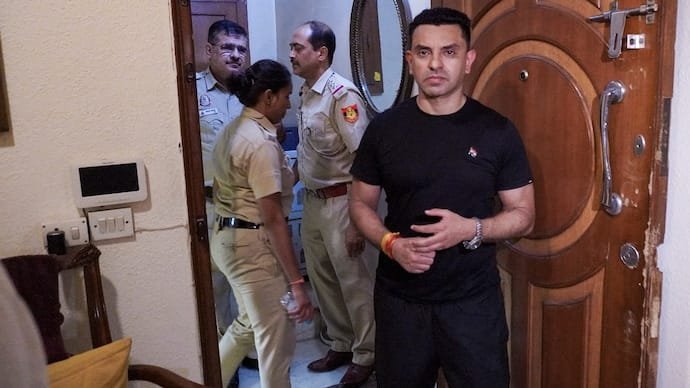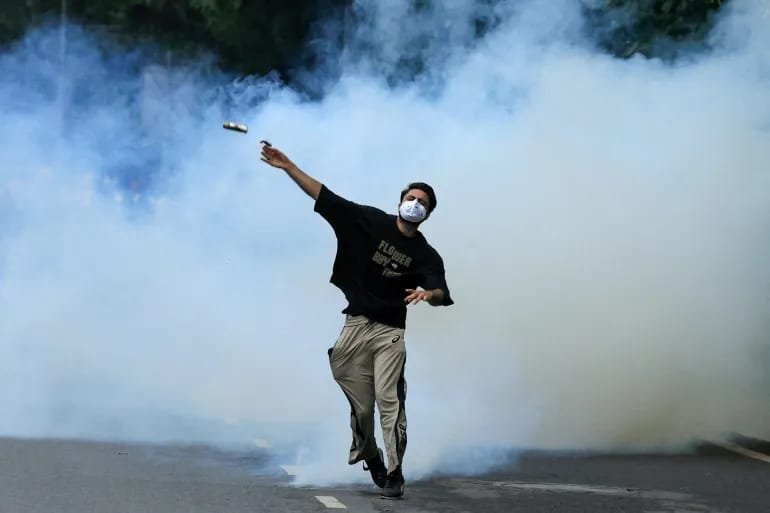
NEW DELHI, India — The word “Azadi”, once at the centre of intense political controversy on Indian university campuses, has returned as a prominent chant among a new generation of student protesters. During the 2026 youth-led demonstrations in New Delhi, the slogan was heard alongside demands for education reforms, following protests over examination irregularities and the resignation of Education Minister Dharmendra Pradhan.
- “Azadi” chants have re-emerged during the 2026 student protests in New Delhi and other cities.
- The slogan has a long history across feminist, student and political movements in South Asia.
- Student activists say social media has changed how young protesters organise and communicate.
- Organisers from established student groups helped sustain the Jantar Mantar protest for weeks.
Azadi chants return to India’s youth protests
The latest protests have given the word “Azadi”, meaning freedom, a new political life among young demonstrators. At New Delhi’s Jantar Mantar, protesters were seen joining in repeated chants while a song associated with the word played through a loudspeaker.
The demonstrations followed an examination scandal that brought students onto the streets and eventually contributed to the departure of the Education Minister, according to the supplied report. Protesters also used slogans, placards, graffiti and social-media content to communicate their demands.
On July 26, workers were sent to paint over graffiti near the protest area after the demonstrations had ended. One message at the entrance to the protest strip described the movement as a “2026 Gen-Z REVOLUTION”.
From campus controversy to a wider protest symbol
The political history of the Azadi chant in India stretches back well before the latest student movement. Its use became particularly controversial during protests at Jawaharlal Nehru University in 2016, when slogans were broadcast widely by television channels and became part of a national political confrontation.
The controversy resulted in sedition allegations and arrests involving student activists. According to organisers quoted in the supplied report, the episode contributed to a wider atmosphere in which student activism and political expression on university campuses became increasingly difficult.
The report also links the slogan’s development to earlier feminist activism in South Asia and to its subsequent adoption by different movements. Its meaning changed according to the demands of the groups using it, turning the word into a flexible expression of resistance.
Gully Boy gave the chant a mainstream audience
The slogan later entered popular culture through the 2019 Bollywood film Gully Boy. Music producer Dub Sharma developed a version of the chant with electronic music, while rapper Divine performed a revised version for the film.
The film adaptation retained themes surrounding freedom and inequality but changed elements of the original protest context. The transformation helped move the phrase from political demonstrations into mainstream popular culture.
That history has now become part of the symbolism surrounding the latest student protests. Young demonstrators have adopted the chant while raising concerns over examination systems and broader educational reforms.
Why social media changed the protest playbook
Student activists interviewed in the supplied report described a significant difference between earlier movements and the current generation. Younger protesters are more comfortable using social-media platforms, short videos, memes and online communities to distribute their message.
N Sai Balaji, a former national president of the All India Students Association, said younger activists had effectively become their own media platform. He argued that alternative digital spaces allowed protesters to communicate directly with audiences rather than depending entirely on traditional news organisations.
Neha Bora, the AISA national president, also described the role of established student organisations in sustaining the demonstrations. According to her account, groups including AISA and the Student Federation of India helped organise the protest camp and maintain a continuous presence at Jantar Mantar.
Lessons from earlier student movements
The current movement has drawn on organisational experience developed during previous student protests. Activists involved in the 2019-20 citizenship protests and earlier university campaigns brought knowledge of maintaining sit-ins, mobilising different sections of society and responding to attempts to discredit protesters.
The supplied report says student organisers faced allegations portraying them as anti-national or externally influenced. Organisers argued that the latest movement was able to reach a broader audience partly because its leading figures used a language and visual style familiar to young internet users.
The protests also reflected a generational shift in political communication. Rather than relying primarily on formal speeches and traditional political vocabulary, younger activists have increasingly used direct slogans, videos and visual material to present their grievances.
The changing meaning of Azadi
The history described in the report shows that Azadi has never carried one fixed meaning. It has been used in feminist movements, Kashmir-related political resistance, left-wing activism and student campaigns, with different groups attaching their own demands to the word.
Kamla Bhasin, whose feminist activism helped popularise the chant in South Asian women’s movements, described it as an evolving slogan whose meaning could change according to the issue being protested. That flexibility has allowed successive generations to reinterpret it.
For today’s student protesters, the slogan has become associated with demands for educational reform and resistance to what they describe as restrictions on dissent. Its return also illustrates how symbols from earlier movements can be repurposed by a younger generation.
What happens next for India’s student movement?
The 2026 protests have demonstrated the continuing influence of student organisations while also highlighting the growing importance of digital communication. Whether the movement leaves a lasting political legacy will depend on how its organisers translate street mobilisation and online attention into sustained advocacy for education reforms.
Frequently Asked Questions
Why has the Azadi slogan become prominent again?
The slogan has reappeared during 2026 student protests focused on examination irregularities and education reforms. Its earlier use in university and social movements has given it an established political and cultural history.
How has social media changed student protests in India?
According to activists quoted in the supplied report, younger protesters use social-media platforms, short videos, memes and alternative digital spaces to communicate directly with large audiences and shape their own narrative.

Praveen Yadav is the Founder and Editor at The Nation Bulletin. With over 3 years of experience in digital journalism and news reporting, he covers national affairs, governance, and breaking current events with a commitment to factual accuracy and verified reporting.