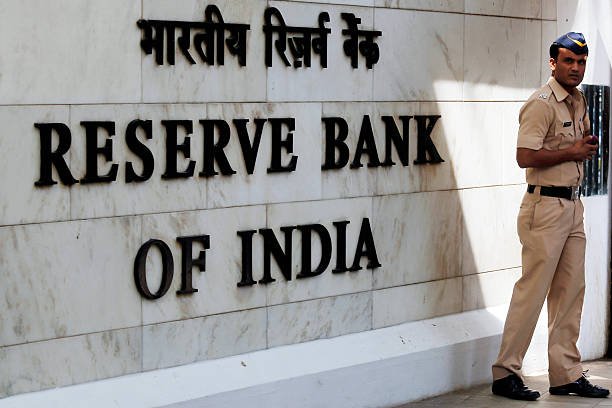
New Delhi, India — India has mobilised $72.85 billion in foreign currency inflows through a special Reserve Bank of India (RBI) USD-INR swap facility, with Foreign Currency Non-Resident (Bank), or FCNR(B), deposits accounting for $65.397 billion as of August 21.
- Key Highlights:
- Total foreign currency mobilisation under the RBI facility reached $72.85 billion as of August 21.
- FCNR(B) deposits contributed $65.397 billion, making them the dominant source of inflows.
- Overseas foreign currency borrowings added $4.86 billion, while external commercial borrowings contributed $2.591 billion.
- The FCNR(B) window closes on August 31, while the ECB and OFCB facilities remain available until December 31.
FCNR(B) deposits drive India’s forex inflows
The latest RBI data show that FCNR(B) deposits have emerged as the principal channel for foreign currency mobilisation under the special facility. Authorised dealer banks reported $65.397 billion through these deposits by August 21.
FCNR(B) deposits accounted for nearly 90 per cent of the total $72.85 billion mobilised through the three channels covered by the programme. The scale of the response makes overseas deposits the central component of the RBI’s effort to bring additional foreign currency into India’s financial system.
The other two channels generated considerably smaller amounts. Overseas foreign currency borrowings, or OFCBs, contributed $4.86 billion, while external commercial borrowings, or ECBs, accounted for $2.591 billion.
RBI’s special USD-INR facility explained
The RBI introduced the special USD-INR forex swap facility in June to encourage foreign currency inflows through FCNR(B) deposits, ECBs and OFCBs. The measure was introduced when the rupee was under pressure and was intended to improve the availability of foreign exchange within the domestic financial system.
The three channels have different deadlines under the arrangement. The FCNR(B) window is scheduled to close on August 31, while the facilities covering ECBs and OFCBs will remain available until December 31.
The approaching FCNR(B) deadline gives banks and overseas depositors only a limited period to participate through that particular channel. The latest figures show that a substantial portion of the mobilisation has already occurred through it.
RBI Governor sees $80 billion inflow
RBI Governor Sanjay Malhotra said earlier this week that he expects the central bank’s recent measures to attract at least $80 billion in foreign currency inflows. The latest mobilisation of $72.85 billion puts that expectation within reach.
Malhotra’s comments followed the RBI’s decision to bring forward the closure of the FCNR swap window by one month to August 31. He described the move as a data-driven “calibration” rather than a reversal of policy.
The Governor also said the time available was sufficient for banks to make the necessary arrangements. He referred to a “diminishing marginal utility” of every dollar swapped while defending the decision to adjust the timing of the window’s closure.
Why FCNR(B) has become the main channel
The composition of the latest inflows highlights the difference between the three routes available under the facility. Of the $72.85 billion total, FCNR(B) deposits supplied $65.397 billion, while OFCBs and ECBs together contributed about $7.45 billion.
The figures indicate that overseas deposit mobilisation has been the primary driver of the programme’s foreign currency inflows. The response has also come ahead of the August 31 deadline for the FCNR(B) component.
For the banking system, the facility has therefore generated a substantial pool of foreign currency through deposits as well as borrowing channels. The remaining availability of the ECB and OFCB windows provides a longer timeframe for those routes compared with FCNR(B).
Large inflows have not sharply lifted the rupee
Despite the size of the foreign currency mobilisation, the rupee has shown only a limited response. The currency has remained broadly around the levels recorded on June 5, when the RBI announced its measures to encourage dollar inflows.
This differs from the sharp appreciation seen in 2013, when the central bank introduced an overseas dollar window. The comparison highlights that the current scale of foreign currency mobilisation has not translated into a similarly pronounced movement in the rupee.
The RBI’s latest figures nevertheless indicate that the special measures have generated a substantial response through India’s banking system. With the FCNR(B) deadline approaching, banks have until August 31 to mobilise deposits through that window, while ECB and OFCB facilities remain open through December 31.
Note: The figures and developments reported above are based on the supplied RBI data and source material. Historical returns or foreign-exchange movements should not be treated as a guarantee of future investment or currency performance.

Praveen Yadav is the Founder and Editor at The Nation Bulletin. With over 3 years of experience in digital journalism and news reporting, he covers national affairs, governance, and breaking current events with a commitment to factual accuracy and verified reporting.