Israeli Prime Minister Benjamin Netanyahu has yet to publicly endorse US President Donald Trump’s latest Gaza peace proposal, more than three days after Washington unveiled a framework centered on the disarmament of Hamas. The absence of an official response has fueled uncertainty over the future of the initiative, even as diplomatic efforts continue behind closed doors.
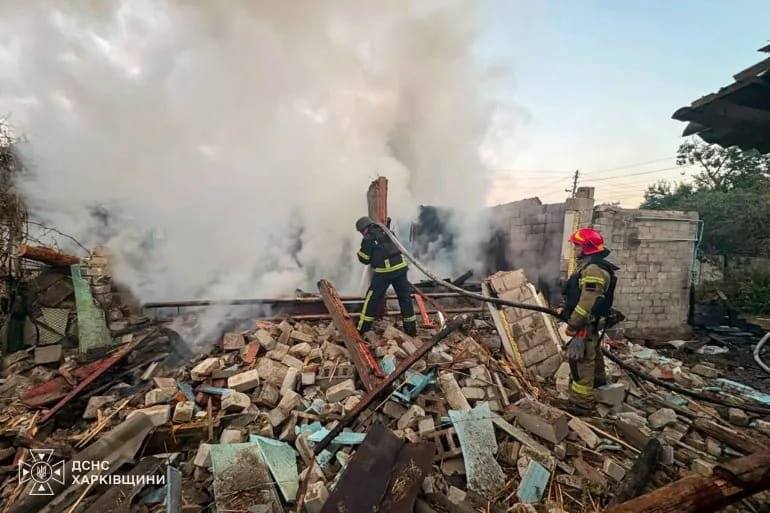
The uncertainty has been compounded by a surge in Israeli military operations across the Gaza Strip over the weekend. According to the information provided, at least 28 people were killed in Israeli airstrikes, marking the deadliest period of violence in weeks despite the proposed framework calling for a halt in hostilities during the next stage of negotiations.
The developments have created a sharp contrast between diplomatic optimism surrounding the US-backed proposal and the realities unfolding on the ground. While American officials, regional mediators and several Arab governments initially described the initiative as a significant opportunity to advance negotiations, Israel has stopped short of formally accepting the framework.
Diplomatic Optimism Meets Military Escalation
The latest proposal is designed to move the conflict into a new phase by focusing on Hamas’ disarmament before broader political and security arrangements are implemented in Gaza. However, despite international efforts to advance the initiative, Israel has not publicly committed itself to the agreement.
Instead of a direct statement from Netanyahu, Israel’s position has largely been communicated through unnamed government officials, diplomatic representatives and political allies. Those officials have maintained that Israel has not signed the proposed arrangement and does not intend to withdraw its forces from Gaza until Hamas has been fully disarmed.
The military escalation over the weekend further complicated diplomatic efforts. The agreement announced by the United States reportedly envisioned a pause in attacks, yet Israeli air operations intensified during the same period, raising fresh concerns among mediators working to preserve momentum for negotiations.
Netanyahu Avoids Public Commitment
Although international attention has focused on Israel’s response, Netanyahu himself has remained publicly silent regarding the proposal. No official speech or formal acceptance has been issued since the framework was announced, leaving diplomats and observers attempting to interpret Israel’s intentions through statements made by other officials.
Israeli representatives have continued to emphasize that the country’s military objectives remain unchanged. According to the position communicated by government officials, Israel believes that any long-term arrangement must first ensure Hamas is completely disarmed before discussions about troop withdrawals or new governance mechanisms can proceed.
The lack of a direct response has become one of the defining features of the latest diplomatic phase, with negotiations continuing largely through intermediaries while public messaging from Jerusalem remains deliberately restrained.
Weekend Violence Overshadows Peace Efforts
The renewed military activity has cast doubt over how quickly the proposed framework can move forward. The reported casualties during the weekend represented one of the highest death tolls recorded in recent weeks, overshadowing the optimism that followed the announcement of Trump’s latest peace initiative.
Diplomatic efforts have nevertheless continued, with international mediators seeking to keep negotiations alive despite growing tensions. The contrast between active diplomacy and continued military operations has highlighted the complexity of reaching an agreement acceptable to all parties involved.
- Trump’s proposal focuses on Hamas’ disarmament as the next stage of negotiations.
- Prime Minister Benjamin Netanyahu has not publicly accepted or rejected the framework.
- Israeli officials maintain that troop withdrawals will not occur before Hamas is fully disarmed.
- Weekend Israeli airstrikes reportedly killed 28 people despite calls for a halt in attacks.
- International mediators continue efforts to preserve momentum for negotiations.
US Envoys Criticise Violence as Diplomatic Pressure Builds
The weekend escalation prompted a strong reaction from officials involved in advancing the US-backed initiative. Nickolay Mladenov, the chief envoy for Trump’s Board of Peace, publicly criticized the renewed violence, warning that continued military operations were undermining efforts to move the proposed disarmament framework forward.
In a message posted on X on Sunday, Mladenov said the latest strikes had resulted in civilian deaths and the destruction of medical supplies, arguing that the violence was damaging the intensive diplomatic work taking place behind the scenes. He also stressed that both Israel and Hamas carried responsibilities under the White House-brokered ceasefire agreement reached in October 2025.
The criticism represented one of the strongest public comments from officials directly associated with the negotiations since Trump’s latest proposal was unveiled. According to sources familiar with the discussions, the statement reflected growing frustration among the United States and international mediators over the renewed military activity.
Behind-the-Scenes Frustration Among Mediators
Sources familiar with the diplomatic process said American officials and other international mediators had privately urged Israel to halt its strikes, believing the military escalation risked weakening confidence in the proposed roadmap.
While public diplomacy continued to focus on advancing negotiations, discussions behind closed doors reportedly became increasingly tense as mediators attempted to keep both sides engaged in the process. The concern was that continued fighting could make implementation of any future agreement significantly more difficult.
Despite those concerns, diplomatic engagement did not stop. Instead, efforts shifted toward direct consultations with Israeli leaders in an attempt to clarify the next steps and preserve momentum for the negotiations.
High-Level Meeting Held in Israel
Hours after issuing his public criticism, Mladenov travelled to Israel on Monday for talks with Prime Minister Benjamin Netanyahu. He was joined by Aryeh Lightstone, a senior US adviser to the Board of Peace, for discussions aimed at reviewing the status of the proposed framework.
According to a statement released by the Board of Peace following the meeting, the discussions were described as “constructive and detailed.” The readout said both Israel and the Board remained committed to the broader objective of removing weapons from Gaza and transitioning the territory toward civilian governance.
However, the statement also acknowledged that important questions remained unresolved, particularly regarding the practical steps required to achieve those goals. It noted that the process for implementing the framework was still being worked out, indicating that significant negotiations remain before any agreement can move into its next phase.
Calls to End Israeli Airstrikes
A source familiar with the meeting said the American delegation also pressed Netanyahu to halt Israeli military operations inside Gaza while diplomatic efforts continued. The discussions reportedly focused not only on the long-term objectives of the proposal but also on reducing immediate tensions that could threaten ongoing negotiations.
The reported appeal underscored Washington’s effort to keep the peace initiative alive while preventing further deterioration of conditions on the ground. Whether those discussions will influence Israel’s military strategy remains uncertain, as no public commitment was announced following the meeting.
| Key Diplomatic Developments | Details |
|---|---|
| Public criticism | Nickolay Mladenov said renewed violence was undermining peace efforts. |
| Main concern | Civilian casualties and destruction of medical supplies during weekend strikes. |
| US engagement | Mladenov and Aryeh Lightstone met Prime Minister Benjamin Netanyahu in Israel. |
| Meeting outcome | Talks were described as constructive, with implementation details still under discussion. |
| Reported request | US envoys urged Israel to halt military strikes while negotiations continue. |
Israel Reaffirms Security Position After Diplomatic Talks
Any expectation that the high-level meeting would lead to an immediate public endorsement of Trump’s proposal quickly faded after Israeli officials reiterated the government’s existing security position.
Following the discussions, an Israeli official stated that the country would not withdraw from its current military positions inside the Gaza Strip and would continue taking action against what it described as threats to Israeli civilians and soldiers.
The statement reinforced Israel’s long-standing position that military objectives remain the priority and that security considerations will continue to guide operational decisions, regardless of ongoing diplomatic negotiations.
Disagreement Over Territorial Withdrawal Remains a Major Obstacle
One of the central issues preventing progress is the disagreement over Israeli troop deployments inside Gaza. According to the information provided, Israel has refused to return its forces to the original demarcation line established under the October 2025 ceasefire agreement.
Since that agreement was reached, Israeli forces have expanded their presence deeper into parts of the Gaza Strip. Hamas, meanwhile, has maintained that it will only proceed with its commitment to disarm if Israeli troops withdraw from the additional territory captured after the ceasefire line was established.
The opposing positions have created one of the most significant challenges facing negotiators, with each side linking its next move to concessions from the other.
Political Pressure Mounts on Netanyahu
While Netanyahu has avoided making a public declaration on Trump’s initiative, members of his governing coalition have openly criticized the proposal, highlighting growing political divisions inside Israel ahead of the country’s upcoming general election.
Far-right Finance Minister Bezalel Smotrich and Settlements Minister Orit Strouk formally urged the prime minister to convene the security cabinet immediately and block the deployment of the proposed International Stabilization Force (ISF) into Gaza.
The deployment had reportedly received cabinet approval only days earlier and is intended to oversee security arrangements in a pilot area within the territory as part of the broader peace framework.
Coalition Allies Voice Open Opposition
Opposition to the proposal extended beyond cabinet ministers. Members of Netanyahu’s political alliance publicly questioned the value of the agreement and rejected suggestions that Israeli forces should withdraw from areas currently under military control.
The increasingly vocal criticism from within the governing coalition illustrates the political sensitivity surrounding the negotiations. With national elections approaching, any perceived concession on security issues could become a major campaign issue.
- Israel reaffirmed it will maintain its current military positions in Gaza.
- The government continues to link any withdrawal to the complete disarmament of Hamas.
- Hamas insists troop withdrawals must precede its disarmament commitments.
- Far-right coalition ministers have called for the peace framework to be blocked.
- Domestic political pressure continues to shape Israel’s public response to the proposal.
Election Politics May Shape Netanyahu’s Next Move
With Israel’s general election only months away, political calculations are expected to play a significant role in determining the government’s response to the proposed framework. According to sources familiar with the matter, Israeli officials believe Prime Minister Benjamin Netanyahu is unlikely to approve any territorial withdrawal before voters go to the polls.
One source said Netanyahu remains deeply skeptical about Hamas’ willingness to surrender its weapons, believing the group could use the proposed framework to delay future Israeli military operations rather than fully implement the agreement.
That assessment has contributed to a cautious approach in Jerusalem, where officials are balancing security concerns with mounting diplomatic pressure from Washington and international mediators.
Trump’s Influence Could Prove Decisive
Despite the political resistance within Israel, the future of the initiative may depend heavily on the position adopted by the United States. According to a senior US administration official cited in the supplied material, President Donald Trump would be “very, very disappointed” if Israel ultimately chose not to comply with the proposed agreement.
A diplomatic source also suggested that Washington remains the only international actor with enough influence to significantly alter Netanyahu’s calculations. The source argued that any meaningful progress would likely depend on the degree of pressure the United States is prepared to apply during the coming weeks.
Analyst Sees Strategy of Delay Rather Than Rejection
Michael Milstein, a senior researcher at Tel Aviv University’s Dayan Center and a former senior official in Israeli military intelligence, said the recent escalation may have been intended to send a political and military message during a critical phase of negotiations.
According to Milstein, one interpretation is that Israel is demonstrating it will continue military operations despite diplomatic discussions. Another possibility, he suggested, is that military planners believe the current operational window could narrow if negotiations gather momentum.
Milstein also argued that the key variable remains Trump’s approach toward Israel. He said additional pressure from Washington before the Israeli election could create significant political challenges for Netanyahu.
Rather than issuing an outright rejection of the proposal, Milstein expects the Israeli leader to continue delaying a definitive public position while negotiations remain incomplete. In his assessment, postponing major decisions until after the election may be politically less risky than openly confronting either domestic coalition partners or the United States.
Negotiations Continue Amid Uncertainty
For now, the future of Trump’s Gaza peace initiative remains uncertain. Diplomats continue working to bridge differences over disarmament, territorial withdrawals and security arrangements, while Israel has yet to publicly commit to the framework.
As international mediation continues and political tensions grow inside Israel, the coming weeks are expected to determine whether the proposed roadmap can evolve into a formal agreement or whether competing security and political priorities will delay progress even further.
| Key Issue | Current Position |
|---|---|
| Netanyahu’s public response | No formal public acceptance or rejection of the proposal. |
| Israel’s military stance | Maintains troops will remain until Hamas is fully disarmed. |
| Hamas’ position | Links disarmament to Israeli withdrawal from additional territory. |
| US role | Washington continues diplomatic engagement and urges implementation of the framework. |
| Political outlook | Upcoming Israeli elections remain a major factor influencing decision-making. |
Source: User-supplied report.

Praveen Yadav is the Founder and Editor at The Nation Bulletin. With over 3 years of experience in digital journalism and news reporting, he covers national affairs, governance, and breaking current events with a commitment to factual accuracy and verified reporting.