WASHINGTON, United States — Senior trade negotiators from the United States and Canada are set to meet for a third consecutive day on Friday as both sides race to finalize a trade agreement before President Donald Trump’s threatened new tariffs on Canadian goods take effect on Saturday.
- The latest US-Canada trade talks are scheduled to continue in Washington on Friday.
- Donald Trump has threatened a 50% tariff on about $20 billion of Canadian goods from Saturday.
- Canadian trade minister Dominic LeBlanc said the two sides were “very close” to a deal after more than three hours of talks on Thursday.
- Any agreement could face political pressure in Canada, where 56% of respondents in a recent poll opposed further concessions.
US-Canada trade talks enter crucial third day
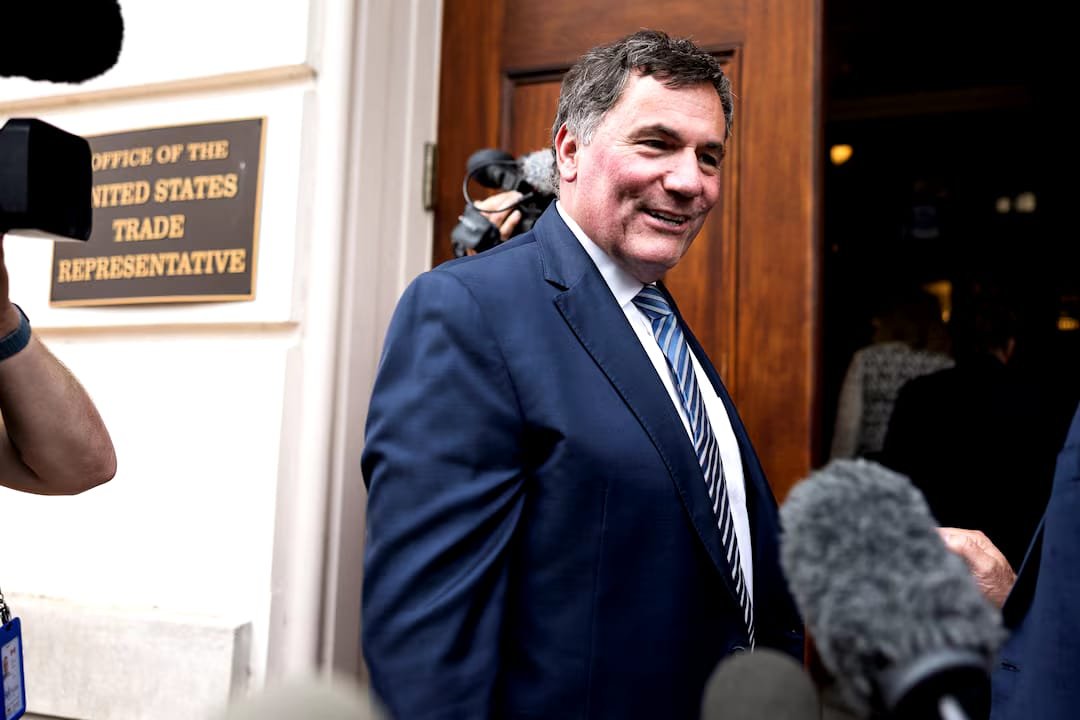
Dominic LeBlanc, Canada’s minister responsible for trade with the United States, is scheduled to meet U.S. Trade Representative Jamieson Greer at 11:30 a.m. EDT on Friday, according to a statement from LeBlanc’s office.
The meeting follows more than three hours of negotiations between the two officials on Thursday. LeBlanc described the two countries as being “very close” to an agreement, while acknowledging that important work remained before a deal could be finalized.
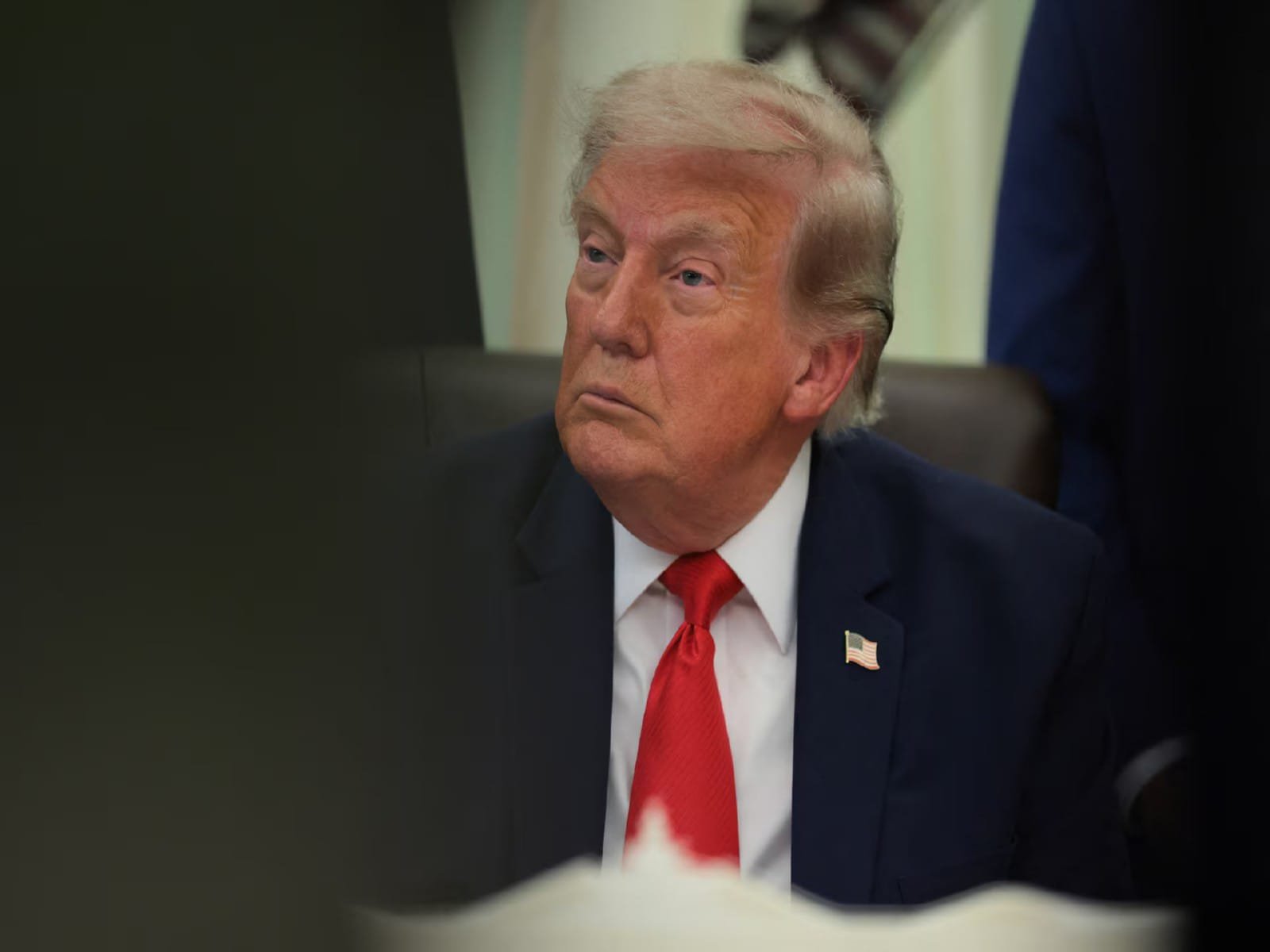
The discussions have taken on added urgency because of the tariff deadline announced by Trump. The U.S. president has threatened to impose a new 50% tariff on approximately $20 billion worth of Canadian goods at 12:01 a.m. EDT on Saturday if the two governments fail to reach an agreement.
Trump tariff threat raises pressure on Canada
The latest negotiations are part of a broader trade dispute that has strained relations between the two neighbours for roughly 18 months. The confrontation began after Trump imposed tariffs on key Canadian imports, prompting Ottawa to respond with its own countermeasures.
The possibility of another sharp increase in tariffs has increased pressure on negotiators to settle outstanding issues before the deadline. For Canada, the stakes are particularly high because of its dependence on the U.S. market.
Canada sends around 70% of all its exports south of the border, while its economy is far smaller than that of the United States. That trade relationship leaves Canadian businesses especially exposed to punitive U.S. tariff measures.
Potential terms of US-Canada trade agreement
Sources cited in the supplied report said a potential agreement could reduce the top-line tariff on Canadian-built vehicles from 25% to 15%. The proposal could also halve U.S. tariffs on Canadian steel and aluminum to 25%.
Those terms could still face opposition within Canada. Ontario, a major producer of steel and aluminum, wants the tariffs removed entirely rather than simply reduced.
The negotiations therefore involve more than the headline tariff rate. Canadian officials also have to weigh the impact of any concessions on industries and provincial governments while trying to maintain access to Canada’s largest export market.
Carney faces pressure at home
Even if negotiators reach an agreement with Washington, Canadian Prime Minister Mark Carney could face a difficult political task in presenting the terms to Canadians and the country’s provincial premiers.
A Leger opinion poll cited in the report found that 56% of Canadians wanted Carney to make no additional concessions. The result highlights the domestic political constraints surrounding the negotiations as Ottawa attempts to reach a compromise with the Trump administration.
Carney is also calling on major provinces to reverse their bans on sales of U.S. alcohol. The restrictions have become another point of friction between Ottawa and Washington and could form part of the broader effort to ease trade tensions.
Canadian provinces divided over negotiations
Some Canadian provincial leaders have urged Ottawa to take a tougher position. Manitoba Premier Wab Kinew said Thursday that Trump was “very weak” and argued that Canada should use the current circumstances to press its advantage.
“I think we’ve got the upper hand – they’re back on their heels right now. They’re coming to us for a deal, and so I think we should fight,” Kinew told reporters.
His comments illustrate the challenge facing Carney as the federal government negotiates with Washington while also attempting to maintain support among provincial leaders.
JD Vance criticises Canada’s negotiating position
The dispute has also produced sharp rhetoric from the U.S. side. Vice President JD Vance criticized Carney during a fundraiser in Southampton, New York, on Wednesday.
According to a recording obtained by the Canadian Press, Vance mocked Carney’s public stance toward Trump and argued that Canada had already backed down on several issues during the negotiations.
“It’s hilarious because Carney presents this as some victory for Canada when fundamentally, like, they climb down on a lot of issues,” Vance was heard saying.
The remarks add another layer of political tension to negotiations that are already taking place under a tightly compressed deadline.
Tariff deadline puts focus on Friday negotiations
The Friday meeting between LeBlanc and Greer could prove critical in determining whether the two governments can resolve their remaining differences before the threatened tariffs take effect. Canadian officials have indicated that substantial progress has been made, but no final agreement had been announced in the supplied material.
The talks are taking place against the backdrop of a deeply interconnected trading relationship. Any new tariff measures could affect Canadian exporters, while prolonged uncertainty could further complicate business planning on both sides of the border.
For Ottawa, the immediate challenge is to secure better access for Canadian products without making concessions that prove difficult to defend domestically. For Washington, the negotiations come as the administration uses the threat of higher tariffs to push Canada toward a broader trade settlement.
With the deadline approaching on Saturday morning, the third day of negotiations will determine whether the two countries can turn their reported progress into a completed agreement or face another escalation in their already tense trade relationship.

Praveen Yadav is the Founder and Editor at The Nation Bulletin. With over 3 years of experience in digital journalism and news reporting, he covers national affairs, governance, and breaking current events with a commitment to factual accuracy and verified reporting.