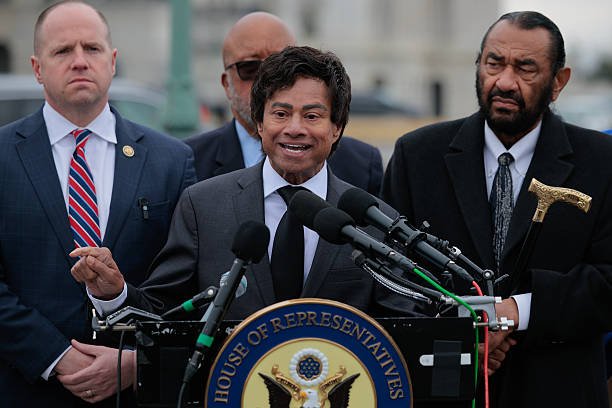
Democratic Rep. Shri Thanedar has lost his primary election in Michigan to state Rep. Donavan McKinney, according to an NBC News projection, delivering another major victory for the Democratic Party’s progressive wing in its efforts to challenge established incumbents.
McKinney, a 34-year-old state lawmaker and democratic socialist, secured the nomination after running a campaign focused on progressive priorities, including expanded health care access, clean energy investment, affordable housing and changes to U.S. foreign policy. His victory adds to a broader movement among progressive candidates seeking to reshape the Democratic Party from within.
McKinney Defeats Incumbent After Competitive Primary Battle
The Michigan congressional primary attracted national attention because it featured a challenge to an incumbent who had previously built his campaign around progressive themes before shifting his political positioning in recent years.
Thanedar first won the Detroit-area congressional seat in 2022 after largely funding his own campaign. His defeat marks the end of his first term in Congress and highlights the growing pressure faced by Democratic incumbents from challengers aligned with the party’s progressive movement.
McKinney entered the race about 16 months before the primary election, giving him time to build support among progressive voters and organizations. During the campaign, he emphasized both his legislative record in Michigan and his personal background, including growing up in poverty and becoming the first person in his family to attend college.
Progressive Wing Celebrates Another Primary Victory
McKinney’s campaign received support from prominent progressive figures and organizations that have been working to elect candidates who advocate for more ambitious policy changes within the Democratic Party.
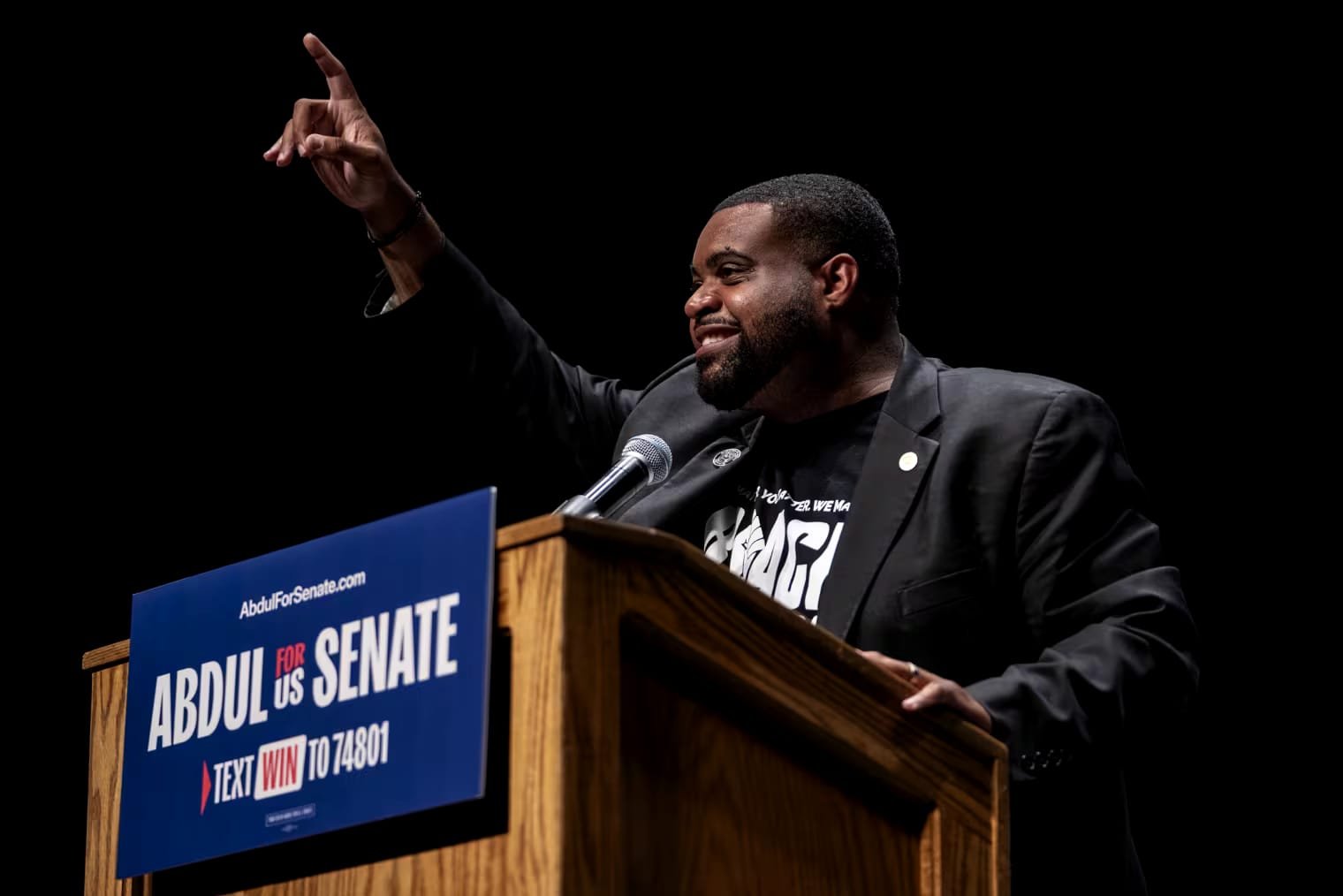
Among his supporters were Vermont Sen. Bernie Sanders, Michigan Rep. Rashida Tlaib and Michigan Senate candidate Abdul El-Sayed. Progressive groups including Justice Democrats and Leaders We Deserve also backed McKinney as part of a wider effort to challenge Democratic incumbents in elections across the country.
The result reflects a continuing debate within the Democratic Party over the direction of its future leadership, with progressive candidates arguing for stronger action on issues such as health care, housing costs, climate policy and U.S. foreign policy.
McKinney Campaign Focused on Progressive Policy Agenda
During the primary campaign, McKinney presented himself as a candidate who could bring a stronger progressive voice to Congress. His platform included support for Medicare for All, increased investment in clean energy and housing, and new restrictions on military aid to Israel.
He also highlighted his experience as a state legislator, arguing that his work in Michigan gave him the ability to quickly become effective in Washington if elected.
McKinney’s campaign combined policy proposals with a personal message about economic opportunity, using his own life story to connect with voters concerned about inequality and the cost of living.
McKinney Builds Support Through Progressive Coalition
Donavan McKinney’s campaign benefited from support from a broad coalition of progressive activists, elected officials and national organizations that viewed the Michigan primary as an opportunity to advance a new generation of Democratic leadership.
His endorsements included prominent progressive figures such as Sen. Bernie Sanders of Vermont and Rep. Rashida Tlaib of Michigan. He also received backing from Abdul El-Sayed, who is running for the U.S. Senate in Michigan, further strengthening his support among progressive voters in the state.
National progressive groups, including Justice Democrats and Leaders We Deserve, supported McKinney as part of a larger effort to challenge Democratic incumbents who they believe do not fully represent the party’s progressive priorities.
Candidate Highlights Personal Story and Legislative Experience
Throughout the campaign, McKinney emphasized his background as a central part of his appeal to voters. He spoke about growing up in poverty and becoming the first person in his family to attend college, presenting his personal journey as evidence of his understanding of economic challenges facing working families.
The 34-year-old lawmaker also pointed to his experience in the Michigan Legislature, arguing that his time in state government prepared him to immediately take on the responsibilities of serving in Congress.
McKinney’s campaign message focused on combining personal experience with progressive policy goals, positioning him as a candidate who could bring a different approach compared with long-serving members of the political establishment.
Policy Positions Define McKinney’s Campaign
McKinney campaigned on a platform that included expanding government-supported health care, increasing investments in clean energy and addressing housing affordability through large-scale public investment.
On foreign policy, he supported placing additional restrictions on U.S. military aid to Israel, a position that has become a significant issue among progressive Democrats in recent election cycles.
His supporters argued that these positions reflected a broader demand among Democratic voters for more aggressive action on economic inequality, climate change and international policy issues.
The victory gives McKinney the opportunity to advance those priorities in the heavily Democratic district, where winning the primary is widely viewed as the key step toward representing the seat in Congress.
Victory Adds to Progressive Momentum in Democratic Primaries
McKinney’s win follows a series of primary victories by progressive candidates who have challenged Democratic incumbents across the country. The results have increased debate within the party over whether voters are seeking a shift away from traditional Democratic leadership.
For progressive organizations, the Michigan result represents evidence that candidates running on bold policy platforms can successfully compete against established officeholders.
For the broader Democratic Party, the outcome highlights continuing tensions between maintaining experienced incumbents and supporting candidates who argue for significant changes in the party’s policy direction.
Thanedar’s Political Shift Became a Major Campaign Issue
While Donavan McKinney focused his campaign on progressive policies and his personal background, Shri Thanedar faced criticism over his political evolution since first winning the congressional seat in 2022.
Thanedar initially campaigned as a progressive candidate but later moved away from some positions associated with the Democratic Socialists of America. Thanedar has said he left the organization, while the local chapter has said he was expelled. In recent years, he has also repositioned himself more around support for Israel.
The shift became a central point of criticism from progressive activists, who argued that Thanedar no longer represented the priorities that initially helped him gain support from parts of the Democratic base.
Campaign Decisions and Spending Faced Scrutiny
Thanedar’s campaign finances also became a subject of attention during the primary race. His campaign reported losing more than $2 million this year connected to cryptocurrency investments, an unusual use of campaign funds that drew scrutiny.
The congressman also faced criticism over the use of taxpayer money for television advertisements produced through his congressional office. Critics argued that the ads resembled campaign-style messaging, while the issue added to concerns raised by opponents about his political approach.
Despite those controversies, Thanedar received support from some senior Democratic leaders. House Minority Leader Hakeem Jeffries and other top House Democrats endorsed him, showing that he retained backing from parts of the party establishment even as progressive challengers targeted his seat.
Progressive Challenge Combined With Voter Frustration
McKinney’s victory was driven not only by his progressive platform but also by broader dissatisfaction among some Democratic voters with established political figures, according to the election analysis.
The primary result reflected a combination of factors, including Thanedar’s political vulnerabilities, McKinney’s unified support from progressive groups and a wider national effort to challenge Democratic incumbents.
Progressive activists viewed the Michigan race as another example of voters responding to candidates who promise stronger action on issues such as health care, housing, climate policy and foreign affairs.
Michigan Primary Signals Ongoing Democratic Party Debate
The defeat of an incumbent Democrat by a progressive challenger adds to a continuing debate over the future direction of the Democratic Party. While establishment leaders have emphasized experience and electability, progressive candidates have argued that voters are looking for more ambitious policy proposals and new voices.
McKinney’s victory now positions him to represent the Democratic Party in the heavily contested political landscape of Michigan’s Detroit-area district. His campaign will move forward after securing support from progressive voters who backed his message of economic investment and political change.
The result also serves as another indication that primary elections remain a key battleground for debates over ideology, representation and the future leadership of both major U.S. political parties.

Praveen Yadav is the Founder and Editor at The Nation Bulletin. With over 3 years of experience in digital journalism and news reporting, he covers national affairs, governance, and breaking current events with a commitment to factual accuracy and verified reporting.