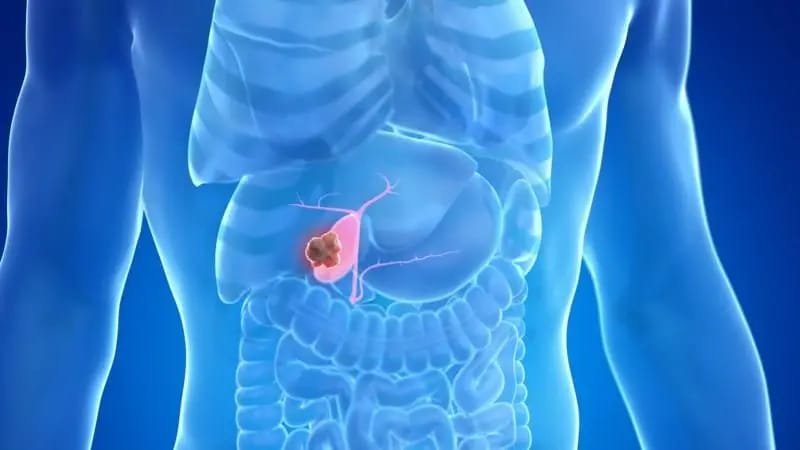
NEW DELHI, India — Cases of gallbladder stones (gallstones) have been steadily rising, primarily driven by dietary shifts and sedentary lifestyles. Medical specialists warn that these hardened deposits formed inside the gallbladder can lead to severe abdominal pain and serious health complications if left untreated.
Key Highlights
- Gallstones develop when chemical imbalances occur in bile, particularly involving cholesterol and bilirubin levels.
- Sudden, sharp pain in the upper right abdomen, accompanied by nausea, serves as a primary warning signal.
- An abdominal ultrasound (USG) remains the gold standard diagnostic tool to detect the presence and size of stones.
- Laparoscopic cholecystectomy (keyhole surgery) is considered the most effective and permanent treatment for symptomatic gallstones.
How Gallstones Form: Key Causes and Risk Factors
The gallbladder functions as a storage reservoir for bile—a digestive fluid produced by the liver that aids in fat breakdown. When the chemical composition of bile becomes imbalanced, solid crystalline deposits begin to form. The primary causes include:
- Excess Cholesterol in Bile: High cholesterol concentration is the most frequent cause. If the liver secretes more cholesterol than bile can dissolve, the excess hardens into small cholesterol stones.
- Elevated Bilirubin Levels: Bilirubin is a byproduct formed during the natural breakdown of red blood cells. Certain medical conditions, such as liver cirrhosis or biliary infections, cause excess bilirubin production, leading to pigment stones.
- Incomplete Gallbladder Emptying: If the gallbladder fails to empty completely or frequently enough, bile becomes concentrated and forms sludge, which eventually hardens into gallstones.
Recognizing Symptoms and Diagnostic Methods
In many cases, gallstones remain silent (asymptomatic) and are discovered incidentally. However, when a stone blocks a bile duct, distinct clinical symptoms manifest:
- Biliary Colic: Sudden, rapidly intensifying pain in the upper right section of the abdomen or just below the breastbone, often lasting from several minutes to a few hours. This pain typically triggers after heavy or fatty meals.
- Referred Back and Shoulder Pain: Discomfort radiating toward the back between the shoulder blades or into the right shoulder.
- Digestive Disturbances: Persistent nausea, vomiting, indigestion, bloating, and gas.
- Warning Signs of Complications: High fever, chills, or jaundice (yellowing of the skin and eyes) indicate a potential bile duct obstruction or infection requiring urgent medical care.
Diagnostic Evaluation: Gastroenterologists primarily recommend an Abdominal Ultrasound to confirm stone presence. Supplementary diagnostic tools include Liver Function Tests (LFT) and, in complex cases, Magnetic Resonance Cholangiopancreatography (MRCP) or CT scans to check for ductal blockages.

Treatment Approaches: Medical vs. Surgical Options
Treatment strategy depends entirely on whether the patient experiences active symptoms. Asymptomatic gallstones generally require simple clinical observation rather than immediate intervention.
1. Surgical Management
When gallstones cause pain or inflammation, surgical removal of the gallbladder remains the definitive medical solution:
- Laparoscopic Cholecystectomy: A minimally invasive procedure performed under general anesthesia. Surgeons make small incisions in the abdomen to insert a camera and specialized tools to remove the organ. Patients typically recover quickly and are discharged within 24 to 48 hours.
- Open Cholecystectomy: Utilized in complex scenarios involving severe scarring, inflammation, or underlying anatomical complications.
2. Non-Surgical Management
Oral dissolution therapy (using medications like ursodeoxycholic acid) can occasionally dissolve small cholesterol stones. However, this process often takes months or years, carries a high rate of stone recurrence once medication stops, and is generally reserved for patients unfit for surgery.
Frequently Asked Questions
Can a person digest food normally after gallbladder removal?
Yes. Without a gallbladder, bile flows directly from the liver into the small intestine continuously. Following a brief post-surgery period of dietary adjustments focusing on low-fat foods, the digestive system adapts completely to function without interruption.
Can gallstones be dissolved permanently through diet or home remedies?
No scientific evidence supports the claim that diet or natural cleanses can completely dissolve established gallstones. While a high-fiber, low-fat diet helps prevent new stone formation, existing symptomatic stones require formal medical evaluation.

Praveen Yadav is the Founder and Editor at The Nation Bulletin. With over 3 years of experience in digital journalism and news reporting, he covers national affairs, governance, and breaking current events with a commitment to factual accuracy and verified reporting.