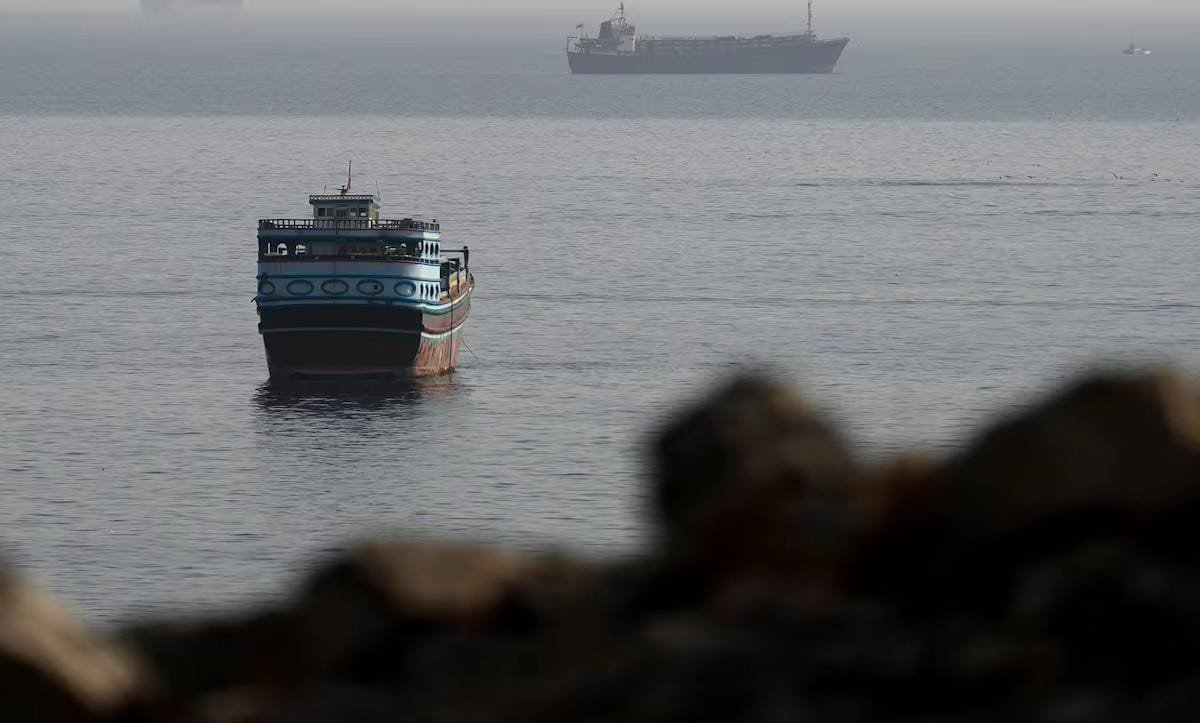
PERTH, Australia — Oil prices climbed on Monday as uncertainty over the reopening of the Strait of Hormuz continued to keep traders cautious, with Iran saying discussions with Oman on new shipping lanes were in their final stages but stressing that additional conditions involving the United States still needed to be met.
- Brent crude rose 1.09% to $84.46 a barrel.
- U.S. West Texas Intermediate gained 0.78% to $78.79 a barrel.
- Iran said an agreement with Oman on new shipping lanes was nearing completion.
- Concerns over supply were reinforced by attacks involving Saudi and UAE energy-related shipping infrastructure.
Oil prices rise as Hormuz reopening remains uncertain
Brent crude futures increased by 91 cents, or 1.09%, to $84.46 a barrel by 0056 GMT. U.S. West Texas Intermediate crude futures rose 61 cents, or 0.78%, to $78.79.
The gains came after both benchmarks dropped more than 7% last week as markets responded to expectations that Iran and Oman could reach an arrangement allowing the Strait of Hormuz to reopen.
The waterway is a crucial energy corridor. Before the war, it carried about one-fifth of the world’s oil, making uncertainty over its accessibility a major factor for global energy markets.
Iran says Oman shipping deal is nearing completion
Iran said on Sunday that an agreement with Oman concerning new shipping lanes was in its final stages. However, Tehran also indicated that reopening the waterway would depend on Washington meeting additional conditions.
Among those conditions, Iran has demanded compensation from the United States for what it described as widespread attacks. The position has limited expectations that a rapid reopening of the strategic waterway is guaranteed.
Iranian Foreign Minister Abbas Araqchi said on Sunday that Tehran and Washington were not engaged in negotiations. He added that Iran would not begin talks while the United States was breaching an interim agreement signed in June.
Traders wait for concrete signs of reopening
Market participants have remained cautious despite signs of progress involving Iran and Oman. Tim Waterer, chief market analyst at KCM Trade, said traders were waiting for tangible evidence before reducing the additional risk premium attached to oil prices.
“Traders have been conditioned by the on-again, off-again nature of the negotiations and are waiting for tangible evidence, such as verified tanker movements or formal agreements, before further unwinding the risk premium.”
The comments highlight the market’s sensitivity to developments around the waterway. A formal agreement or confirmed movement of tankers could provide stronger evidence that shipping conditions are returning to normal.
Saudi refinery attack adds to supply concerns
Supply concerns were also reinforced by an attack on a Saudi oil facility over the weekend. Iran-aligned Houthis said on Sunday that they had targeted Saudi Aramco’s Jazan refinery.
The attack occurred two days after Saudi Arabia signed a defence pact with Turkey and Pakistan amid increased regional instability linked to the conflict involving the United States, Israel and Iran.
The latest incident has added another layer of uncertainty for energy markets already closely watching developments around major oil transportation routes and regional infrastructure.
UAE reports attacks on vessels in Hormuz
Maritime security concerns have also affected vessels transiting the Strait of Hormuz. The United Arab Emirates’ ADNOC said on Friday that 15 of its vessels had been attacked while passing through the waterway since the beginning of the conflict.
The incidents have underscored the risks facing energy shipments and helped keep the security of the Strait of Hormuz at the centre of market attention.
Oil market remains focused on next steps
For oil traders, the immediate focus remains on whether the discussions involving Iran and Oman translate into an operational reopening of the Strait of Hormuz. Until there is clearer evidence of unrestricted shipping, uncertainty over energy flows is likely to remain a key consideration in the market.
The combination of unresolved U.S.-Iran tensions, attacks affecting regional energy infrastructure and uncertainty surrounding maritime traffic has kept the outlook closely tied to developments in the Gulf.

Praveen Yadav is the Founder and Editor at The Nation Bulletin. With over 3 years of experience in digital journalism and news reporting, he covers national affairs, governance, and breaking current events with a commitment to factual accuracy and verified reporting.