BOGOTA, Colombia — Rescue teams continued searching collapsed buildings across western Colombia on Tuesday, August 11, after a powerful 7.4-magnitude earthquake struck the country’s coffee-growing heartland, killing at least 164 people and leaving authorities braced for the possibility that the death toll could rise further.
- At least 164 people have been confirmed dead following the 7.4-magnitude earthquake.
- Rescuers are searching collapsed buildings for people who may still be trapped beneath the rubble.
- Cali suffered extensive damage, including the partial collapse of a hospital where hundreds of patients had to receive care outside.
- Pereira and surrounding areas also reported heavy destruction, with entire residential blocks reduced to debris.
Colombia earthquake rescue operation enters second day
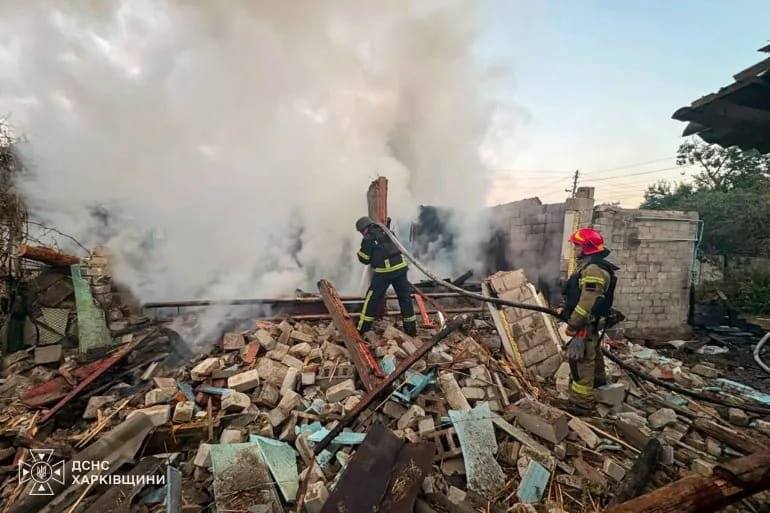
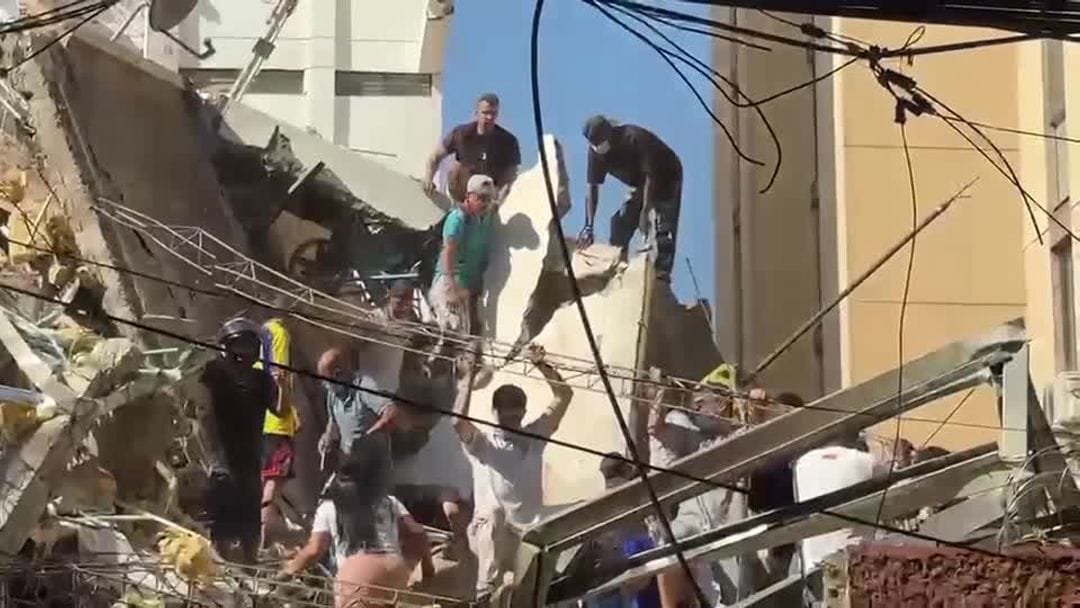
Emergency crews worked through the night in several affected cities, using excavators, rescue equipment and, in some locations, their hands to clear debris. Police officers, soldiers and volunteers joined the effort as teams searched damaged structures for signs of life.
The earthquake caused widespread destruction in cities including Cali, Pereira and Manizales. In Manizales, one of the towers of a historic cathedral was badly damaged, while buildings in other urban areas were either destroyed or left dangerously unstable.
The scale of the destruction has raised concerns that the confirmed toll could increase as rescue teams reach more damaged buildings and authorities complete assessments in affected communities.
Cali faces major damage after Colombia earthquake
Cali, a city of about 2.2 million people, was among the worst-hit urban centres. At least 85 deaths were reported there in the supplied account, while dozens of structures were destroyed or left leaning precariously after the quake.
One of the city’s hospitals suffered a particularly serious setback when several upper floors, including areas used for pediatric care, collapsed. Hospital director Irne Torres Castro told Caracol television that some patients were trapped while around 600 others had to be treated on a street surrounded by rubble.
The rescue effort also relied heavily on local residents. Carmen Yasmin Garcia, a 43-year-old Cali resident volunteering with rescue teams, said her group had managed to free seven people from a collapsed building. At the time, four other people and a dog were still believed to be trapped.
“We still have faith that the dog is alive and we can get these people out,” Garcia said.
Pereira among the hardest-hit areas
Pereira, the capital of Risaralda state, reported 66 deaths in the supplied report and showed some of the most visible signs of the earthquake’s destructive force. Residential areas were reduced to piles of concrete and twisted metal.
Video from Pereira, verified by Reuters, showed the city’s airport shaking violently during the earthquake, with sections of the ceiling falling while people sought shelter.
Another 13 deaths were reported in Choco, the rural province located closest to the earthquake’s epicentre.
Security forces deployed amid looting reports
Authorities also faced security concerns as emergency operations continued. President Abelardo De La Espriella said 1,000 members of the security forces would be deployed to Cali following reports of looting.
Cali and Pereira introduced curfews on Monday night as authorities attempted to maintain order while rescue and recovery operations continued.
De La Espriella, who had assumed office only days earlier, said the government’s response would focus on cooperation and solidarity during the disaster.
“Here, there are no distinctions or ideological divisions when it comes to defending our people or showing solidarity,” De La Espriella told journalists.
Colombia earthquake revives memories of 1999 disaster
The latest disaster has brought back memories of the devastating 1999 earthquake that struck the same broad coffee-growing region and killed more than 1,000 people.
The scale of the current destruction has also prompted comparisons with other deadly earthquakes in the region, including catastrophic tremors that killed more than 6,300 people in neighbouring Venezuela in June, according to the supplied report.
Why could the Colombia earthquake death toll rise?
The confirmed number of deaths may increase as rescuers continue reaching collapsed structures and authorities assess damage in areas affected by the earthquake. People potentially trapped beneath debris remain a central focus of the ongoing operation.
What happens next in Colombia?
Rescue teams are expected to continue searching damaged buildings while authorities coordinate emergency services, security deployments and assistance for displaced residents. The immediate priority remains locating survivors and assessing the full extent of the destruction.

Praveen Yadav is the Founder and Editor at The Nation Bulletin. With over 3 years of experience in digital journalism and news reporting, he covers national affairs, governance, and breaking current events with a commitment to factual accuracy and verified reporting.