Iran has launched an intensive diplomatic campaign across the Gulf, warning that any renewed United States military strikes on its territory could trigger retaliatory attacks on critical infrastructure in neighboring Arab states, according to multiple officials familiar with the discussions.
According to Reuters, Tehran has conveyed to several Gulf governments that if Washington targets Iranian infrastructure, it would respond by striking strategic assets across the region, including oil facilities, refineries, electricity networks, water infrastructure, transportation systems and other key economic installations belonging to America’s closest regional partners.
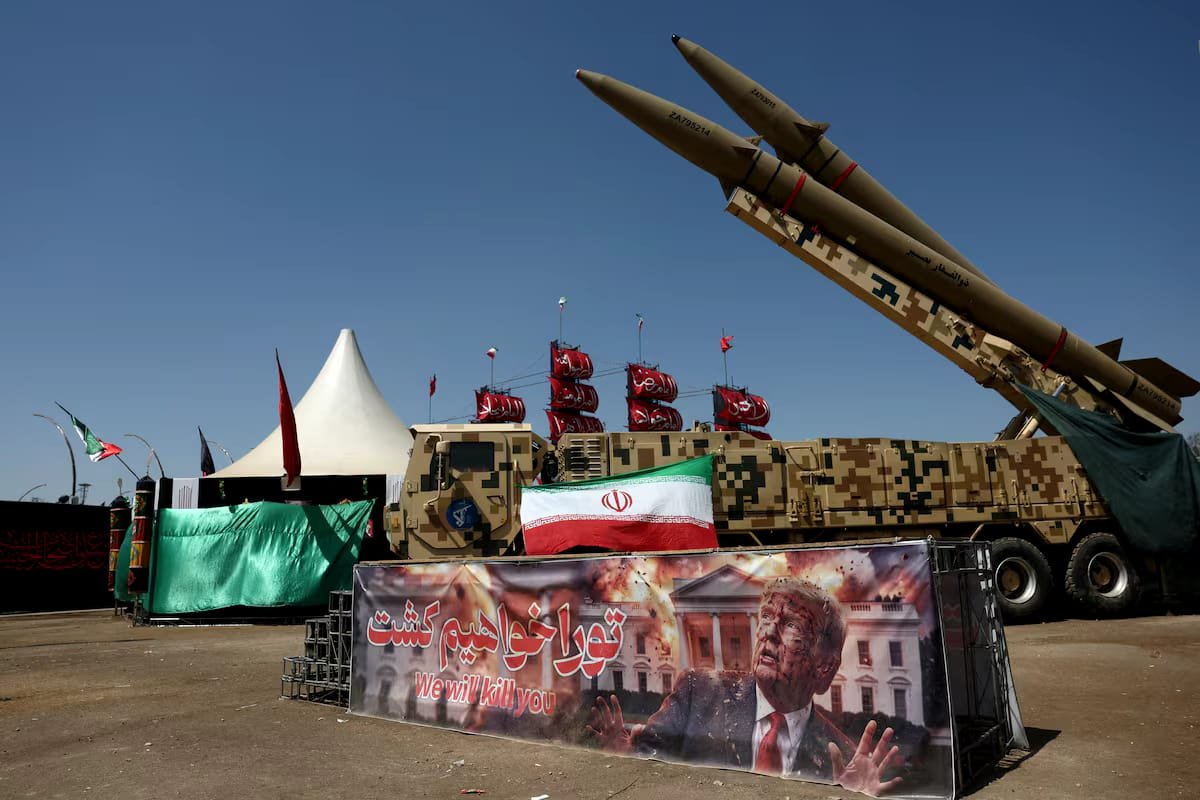
The warning comes as tensions remain elevated following U.S. President Donald Trump’s recent threat to target Iran’s energy infrastructure. Iranian officials are now attempting to prevent another round of military confrontation by urging Gulf allies with close ties to Washington to persuade the White House to return to negotiations instead of pursuing military action.
Sources familiar with the diplomatic outreach said the messages were delivered through a series of high-level contacts involving senior political leaders and foreign ministers across the region. Iran’s strategy appears aimed at raising the economic and geopolitical costs of any future conflict while simultaneously leaving the door open for diplomacy.
Iran Launches Regional Diplomatic Offensive
Reuters reported that Iranian Foreign Minister Abbas Araqchi held discussions with counterparts from Saudi Arabia, Qatar and Turkey, while also communicating with Pakistan’s army chief as part of Tehran’s broader diplomatic initiative.
According to two senior Iranian officials, two Gulf sources and a senior regional diplomat familiar with the exchanges, every conversation carried a similar message: further U.S. military strikes would not remain confined to Iranian territory.
Instead, Tehran warned that any attack on its infrastructure would be answered with retaliation against American interests and strategically important infrastructure across the Gulf region.
“We’re ready to retaliate, but finding a diplomatic solution is the best way to avoid wider escalation and destruction across the region,” a senior regional diplomat described Iran’s message as saying.
The diplomat said Iran consistently encouraged Gulf governments to use their political influence with Washington in an effort to steer the United States back toward negotiations and prevent another military confrontation.
Warning Extends Beyond Military Bases
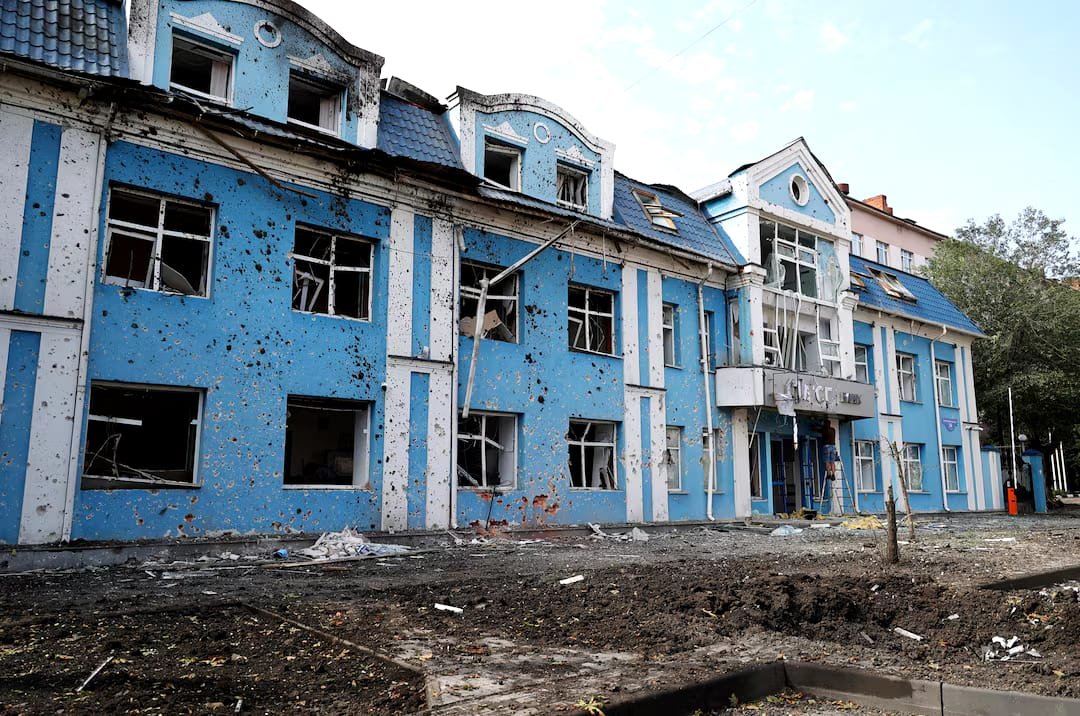
According to Reuters’ sources, Tehran’s warning was not limited to U.S. military installations. Iranian officials indicated that energy facilities and broader civilian infrastructure supporting Gulf economies could also become potential targets if Iran itself came under renewed attack.
The list of facilities discussed by officials included:
| Potential Targets Mentioned | Category |
|---|---|
| Oil fields | Energy Infrastructure |
| Oil refineries | Petroleum Facilities |
| Electricity grids | Power Infrastructure |
| Water facilities | Public Utilities |
| Transport networks | Critical Infrastructure |
| Strategic economic assets | National Infrastructure |
Officials familiar with the discussions said Tehran’s objective was to underline the broader regional consequences that could follow another cycle of military escalation between Iran and the United States.
Economic Pressure Forms Part of Iran’s Strategy
Reuters reported that Iran’s diplomatic effort is designed to highlight the economic risks associated with renewed conflict in the Gulf, one of the world’s most important energy-producing regions.
By raising concerns over the security of oil production facilities, power infrastructure and transportation networks, Iranian officials appear to be attempting to increase pressure on regional governments to advocate for diplomacy rather than military action.
According to one Gulf source quoted by Reuters, Iran’s warning was direct and left little room for ambiguity.
“The Iranian warning was unequivocal: if America targeted Iran’s infrastructure, they would retaliate by striking Gulf energy facilities and other regional targets,” the source said.
The diplomatic initiative reflects Tehran’s assessment that Gulf states, whose economies depend heavily on uninterrupted energy production and exports, have a strong interest in preventing another major regional conflict.
Background to the Latest Escalation
The latest diplomatic exchanges followed comments made by President Donald Trump on July 28, when he threatened possible strikes against Iran’s energy network and infrastructure, according to Reuters.
Those remarks prompted Tehran to intensify contacts with regional governments, seeking their assistance in persuading Washington to pursue negotiations instead of additional military operations.
Iranian officials have argued throughout these discussions that continued escalation would carry consequences extending far beyond the battlefield, potentially affecting energy markets, regional security and critical civilian infrastructure across multiple Gulf countries.
Saudi Arabia Urges Diplomacy as Regional Tensions Rise
As Iran intensified its diplomatic outreach, Saudi Arabia emerged as one of the key regional players attempting to prevent another round of military confrontation. According to Reuters, Saudi Crown Prince Mohammed bin Salman later spoke with U.S. President Donald Trump and urged him to postpone any military action against Iran in favour of renewed negotiations and a diplomatic settlement.
People familiar with the discussions said the Saudi leadership advocated a ceasefire and encouraged Washington to give diplomacy another opportunity before considering further military operations. The intervention reflects Riyadh’s concern that another direct confrontation between the United States and Iran could destabilise the wider Gulf region and threaten critical economic infrastructure.
According to a senior regional diplomat and Gulf sources cited by Reuters, Saudi Arabia’s message focused on reducing tensions rather than expanding military action.
“Saudi Arabia believes further escalation will only bring more destruction,” a Gulf source said. “That is why it urged Trump to give diplomacy a chance.”
At the same time, Riyadh reportedly made it clear that it would defend its own territory if attacked. One Gulf source said Saudi Arabia warned that any strike on its territory would receive a military response.
Iran’s Message Routed Through Gulf Partners
Reuters reported that although Tehran intended its warning to reach all Gulf states, the communication was delivered primarily through Saudi Arabia and Qatar, both of which have maintained diplomatic channels with Iran despite their strategic relationships with the United States.
Iran has gradually restored ties with several Gulf neighbours in recent years, including Saudi Arabia, after years of regional rivalry. Those diplomatic channels are now being used as Tehran seeks to prevent another cycle of conflict.
Officials familiar with the discussions said Iran urged Gulf governments to use their influence in Washington to convince the Trump administration that diplomacy remains the most effective path to avoid a wider regional crisis.
| Country | Reported Diplomatic Role |
|---|---|
| Saudi Arabia | Urged Trump to delay military action and pursue negotiations. |
| Qatar | Served as one of the primary diplomatic channels for Iran’s message. |
| Oman | Supported renewed talks between Washington and Tehran. |
| Turkey | Foreign minister contacted during Iran’s diplomatic outreach. |
| Pakistan | Iranian foreign minister also spoke with Pakistan’s army chief. |
Qatar, Oman and Saudi Arabia Push for Negotiations
According to a second Iranian official quoted by Reuters, Qatar, Oman and Saudi Arabia have all encouraged Washington to resume negotiations with Tehran in an effort to prevent another military confrontation.
The same official said Iran warned that another round of U.S. strikes could “turn the region into a fireball,” underscoring Tehran’s argument that continued escalation would have consequences extending beyond Iran itself.
These diplomatic efforts coincide with growing concern among Gulf governments that a prolonged conflict could threaten energy exports, shipping routes and broader regional stability.
Trump Signals Openness to a Deal
Reuters noted that President Donald Trump indicated on August 2 that he had agreed to cancel a planned attack on Iran, provided a deal could be reached quickly.
While no agreement has been announced, the statement suggested that diplomatic negotiations remain possible despite the increasingly confrontational rhetoric exchanged by both sides.
Iranian officials have continued pressing Gulf governments to use this opening to encourage Washington toward negotiations rather than renewed military action.
Saudi Analyst Explains Riyadh’s Position
Ali Shihabi, described by Reuters as a Saudi analyst close to the Royal Court, said the kingdom believes additional escalation is unlikely to produce the desired outcome.
“The Kingdom believes a combination of proportionate military responses and sustained pressure on Iran in the Strait of Hormuz offers the strongest path toward a practical diplomatic settlement,” Shihabi said.
His assessment reflects Saudi Arabia’s effort to balance deterrence with diplomacy while avoiding a broader regional conflict that could disrupt energy production and international trade.
Iran Continues to Oppose U.S. Military Presence
Reuters reported that Iran’s clerical leadership has repeatedly called for the closure of U.S. military bases across the Gulf and has urged Gulf Arab governments to stop sharing intelligence with Washington.
According to the report, Tehran believes intelligence cooperation between Gulf states and the United States has been used to facilitate military operations targeting Iran.
Those long-standing concerns continue to shape Iran’s regional security posture and formed part of the broader context surrounding its latest diplomatic warning.
Iran Signals It Can Escalate Beyond Its Borders
According to Reuters, Iranian officials believe the possibility of disruption to Gulf energy infrastructure could become a significant factor in Washington’s strategic calculations. By highlighting the vulnerability of oil facilities, electricity networks and other essential infrastructure, Tehran is attempting to demonstrate that any future military campaign would carry consequences extending across the wider region rather than remaining confined to Iran.
Officials familiar with the discussions said the message was designed to increase pressure on governments that maintain close security and economic ties with the United States, encouraging them to advocate for diplomacy before another military confrontation takes place.
Energy Infrastructure Remains Central to Tehran’s Warning
One senior Iranian official told Reuters that the country’s response would not be limited if Iranian infrastructure came under attack. According to the official, the list of potential targets includes facilities considered essential to Gulf economies.
| Infrastructure Category | Referenced by Reuters Sources |
|---|---|
| Oil Fields | Major energy production facilities |
| Oil Refineries | Fuel processing infrastructure |
| Electricity Grids | Power generation and distribution |
| Water Infrastructure | Water production and supply systems |
| Transport Networks | Strategic logistics and transportation assets |
| Other Strategic Assets | Critical infrastructure supporting Gulf economies |
According to Reuters, Iranian officials view these sectors as strategically important because of their role in supporting both domestic economies and international energy markets.
Memories of the 2019 Aramco Attack Continue to Shape Security Concerns
Reuters reported that one Iranian official referred to the September 2019 drone and missile attacks on Saudi Arabia’s Abqaiq and Khurais facilities while explaining Tehran’s current position.
Those attacks temporarily disrupted more than half of Saudi Arabia’s crude oil production and exposed the vulnerability of energy infrastructure across the Gulf.
The official suggested that Gulf governments remain aware of those events when assessing the potential consequences of another regional conflict.
“They still remember Saudi Arabia’s Aramco,” the Iranian official said, referring to the 2019 attacks on the Abqaiq and Khurais facilities.
Reuters said the official added that if Iranian infrastructure were damaged, Tehran would seek to inflict significantly greater damage in return.
Strait of Hormuz Remains a Strategic Consideration
The Strait of Hormuz continues to feature prominently in regional security discussions because it serves as one of the world’s most important energy transit routes.
Ali Shihabi, a Saudi analyst quoted by Reuters, said Riyadh believes that sustained pressure involving the Strait of Hormuz, combined with proportionate military responses, offers a stronger path toward a practical diplomatic settlement than broader military escalation.
Although Reuters reported no immediate threat to shipping through the waterway, the continued reference to the Strait highlights its importance in the wider strategic calculations of governments across the region.
Iran Sees Two Possible Paths Ahead
According to a senior Iranian official cited by Reuters, Tehran believes the current situation leaves Washington with two difficult options.
| Possible Scenario | Potential Outcome |
|---|---|
| Renewed Military Escalation | Risk of wider regional conflict and disruption to Gulf energy supplies. |
| Negotiated Settlement | A diplomatic agreement that may fall short of a decisive military outcome. |
The official said Tehran believes a broader conflict could affect not only Iran and the United States but also neighbouring Gulf states whose economies depend heavily on stable energy production and exports.
Diplomatic Challenges Remain
Despite recent diplomatic contacts, Reuters reported that significant obstacles continue to stand in the way of any negotiated settlement.
A senior regional diplomat told Reuters that one of the principal challenges is Washington’s desire to secure an outcome that can be presented domestically as evidence that it achieved its objectives.
“The United States wants something it can present as proof that it won the war,” the diplomat said.
That assessment illustrates the political complexities surrounding negotiations, with both sides attempting to protect their strategic interests while avoiding a broader regional confrontation.
Regional Stakes Continue to Rise
The diplomatic exchanges reported by Reuters underline the increasingly interconnected nature of security and energy politics in the Gulf. Iran’s outreach to neighbouring governments reflects an effort to prevent further military action through diplomatic pressure, while Gulf states continue encouraging dialogue in an attempt to safeguard regional stability and critical infrastructure.
With negotiations still uncertain and military tensions unresolved, developments in the coming days are likely to be closely watched by governments, energy markets and international observers alike.
What Comes Next
According to Reuters, diplomatic efforts are expected to remain active as Gulf countries continue engaging with both Washington and Tehran in an attempt to prevent another round of military confrontation.
Iran has signalled that it prefers a negotiated solution but has simultaneously warned that any renewed U.S. strikes on its infrastructure would trigger retaliation extending beyond its borders. Gulf governments, meanwhile, have continued advocating diplomacy while maintaining that they are prepared to defend their territory if threatened.
President Donald Trump said on August 2 that he had agreed to cancel the planned attack on Iran, subject to the possibility of reaching a deal. However, Reuters reported that significant differences remain between the two sides, leaving uncertainty over whether diplomacy can produce a lasting settlement.
The coming weeks are expected to be critical as regional governments seek to prevent tensions from escalating into a wider conflict that could affect energy infrastructure, global oil markets and security across the Gulf.
Key Takeaways
- Iran warned Gulf states that renewed U.S. strikes could trigger retaliation against regional infrastructure.
- Senior Iranian officials urged Gulf governments to persuade Washington to return to negotiations.
- Saudi Arabia reportedly encouraged President Donald Trump to delay military action and pursue diplomacy.
- Qatar, Oman and Saudi Arabia have all backed renewed negotiations to avoid a broader regional conflict.
- Reuters reported that major differences between Washington and Tehran continue to complicate efforts toward a diplomatic settlement.

Praveen Yadav is the Founder and Editor at The Nation Bulletin. With over 3 years of experience in digital journalism and news reporting, he covers national affairs, governance, and breaking current events with a commitment to factual accuracy and verified reporting.