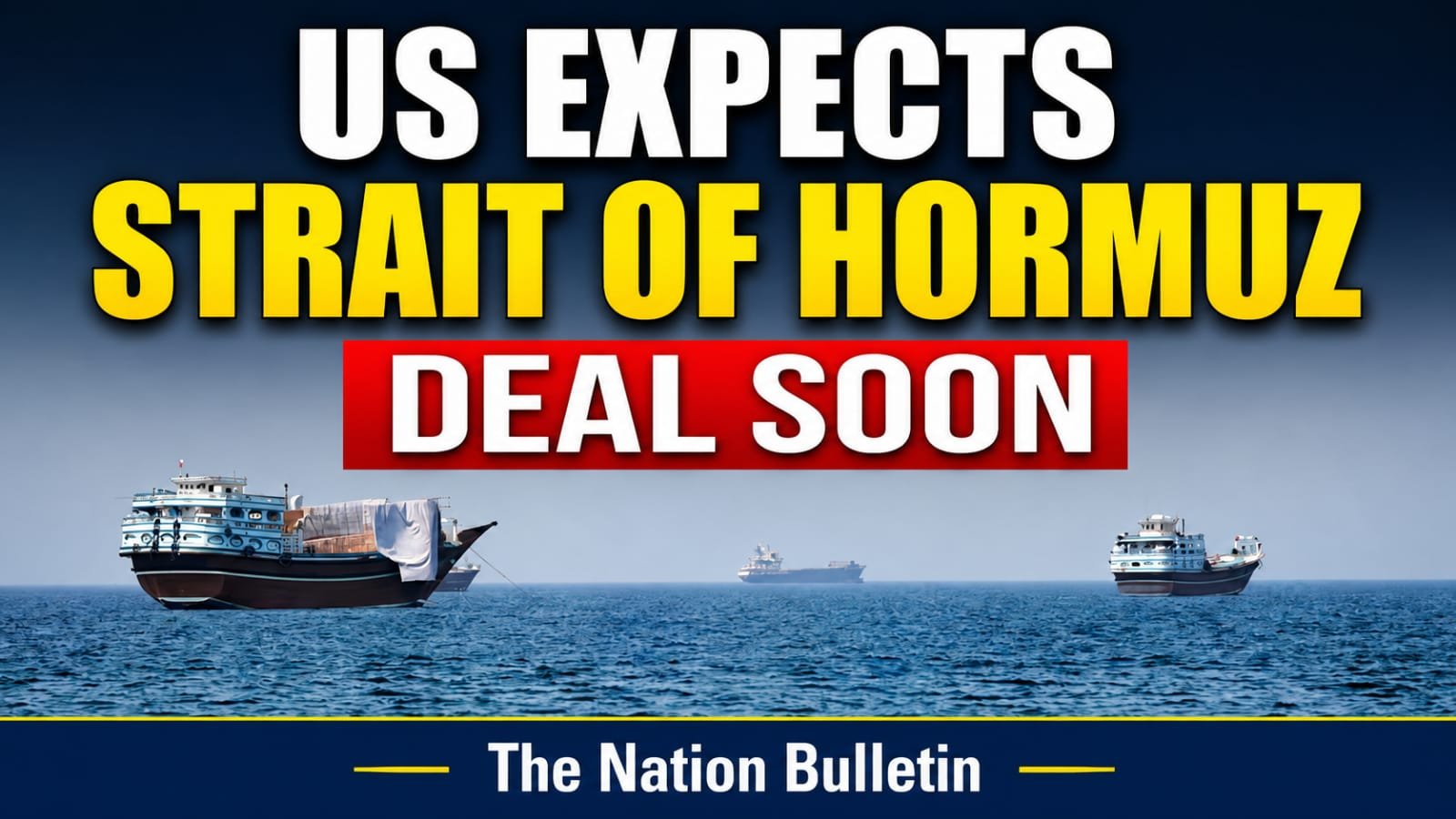
A proposed agreement being discussed between Iran and Oman could hand Tehran a significant role in overseeing ships entering the Persian Gulf through the Strait of Hormuz, according to a senior Iranian source and two regional officials familiar with the negotiations. If implemented, the arrangement would mark one of the most consequential changes to the management of one of the world’s busiest energy trade routes, although officials involved in the talks cautioned that key issues remain unresolved and that no final agreement has yet been reached.
The discussions come at a time of heightened geopolitical tensions in the Middle East, with the United States seeking a diplomatic path after months of military confrontation with Iran. While U.S. President Donald Trump has expressed confidence that negotiations are progressing and suggested the strategic waterway could reopen soon, regional and Iranian sources indicated that several sensitive provisions still require further negotiation before any deal can be concluded.
Draft Proposal Signals Major Shift in Strait of Hormuz Oversight
According to the senior Iranian source, the draft agreement currently under discussion would allow Iran to exercise control over vessels entering the Gulf through the Strait of Hormuz. However, negotiations remain ongoing regarding the extent of Tehran’s authority over ships travelling in the opposite direction.
Regional officials familiar with the talks described the proposal as representing one of the biggest concessions made to Iran since negotiations began. One regional source told Reuters that an understanding had already been reached on granting Iran some form of control over the strait, although the precise definition of that authority remains one of the most contentious aspects of the discussions.
Another regional official said Gulf negotiators continue to argue that inspections of commercial vessels should remain under the supervision of regional countries rather than Iran acting alone. The same source also said any payments associated with passage through the strait should remain voluntary, reflecting ongoing disagreement over how the arrangement would operate in practice.
The proposed framework has drawn particular attention because the Strait of Hormuz serves as one of the world’s most strategically important maritime corridors. A substantial share of global energy exports passes through the narrow waterway, making any changes to its administration significant for international trade, regional security and global energy markets.
Negotiations Continue Despite Optimistic Public Statements
Although President Trump has repeatedly suggested that a breakthrough is close, officials involved in the discussions have offered a more cautious assessment. Sources familiar with the negotiations said important technical and political details remain unresolved, making it premature to describe the agreement as final.
There are currently no direct negotiations between Tehran and Washington. Instead, talks have been taking place through Oman, which controls the opposite side of the Strait of Hormuz and has long served as an intermediary between the two sides during periods of regional tension.
According to the Reuters source, Iran rejected an earlier Omani proposal last week after concluding that it did not provide Tehran with sufficient influence over the management of the waterway. The latest discussions are aimed at bridging those differences while addressing concerns raised by Gulf states and other stakeholders.
The proposal has attracted particular attention because U.S. officials have consistently maintained that Washington would not accept any arrangement granting Iran control over access to one of the world’s most important energy shipping routes. Even so, discussions have continued through Omani mediation as efforts to reduce regional tensions move forward.
Control of the Strait Remains the Central Issue
The principal challenge facing negotiators is determining how authority over shipping would function in practice. Sources indicated that while broad political understandings may be emerging, negotiators continue to debate inspection procedures, operational responsibilities and whether any transit fees could be introduced without disrupting commercial shipping.
Officials familiar with the discussions stressed that these unresolved issues remain central to the negotiations, underscoring that significant work is still required before any agreement can be formally concluded.
Trump Says Negotiations Are Progressing, But Sources Urge Caution
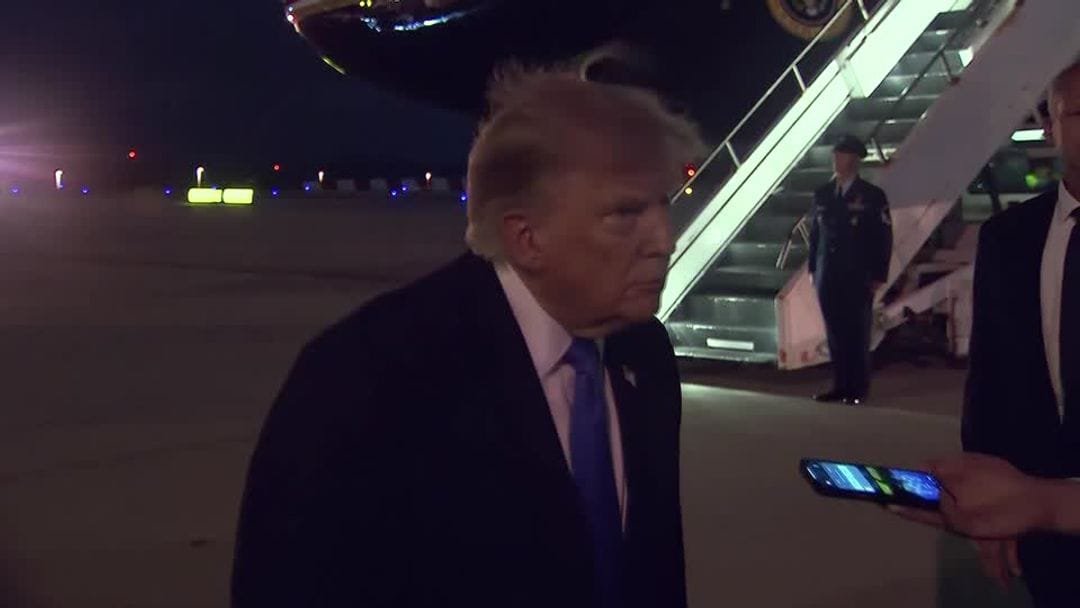
President Donald Trump expressed optimism about the diplomatic efforts during an interview with Fox News, saying the negotiations were “moving along nicely” and describing Tuesday’s discussions as an “all-day negotiation.” He also said the Strait of Hormuz “is going to be open very soon,” while warning that Iran would face severe consequences if it withdrew from the process.
“The Strait of Hormuz is going to be open very soon. If they back out again, they are going to get hit really hard.”
Trump has repeatedly pointed to the ongoing negotiations as the reason behind his decision to halt plans for additional military action against Iran. Over the weekend, he said he had called off what he described as “massive attacks” because diplomatic contacts had created an opportunity to reduce tensions.
Despite those public statements, officials familiar with the negotiations told Reuters that the talks have not yet reached a stage where a final agreement can be expected. They said several politically sensitive issues remain unresolved, making any timeline for a breakthrough uncertain.
Iranian Officials Say Agreement Has Not Yet Been Finalised
A senior Iranian source cautioned against expectations of a quick conclusion, saying negotiations with Oman remain active but have not been completed. The source also noted that Iranian Foreign Minister Abbas Araqchi was on holiday, underscoring that discussions were still underway rather than entering a final implementation phase.
“Talks are continuing, but it is too early to say that a deal with Oman has been finalised.”
Another Iranian source described the negotiations as highly sensitive, saying even a single unexpected political development could derail months of diplomatic work.
“The devil is in the details. A single tweet from Trump could cause the whole thing to collapse.”
The comments reflect the fragile nature of the negotiations, where broad political understanding has yet to be matched by agreement on operational and legal details. Officials involved in the discussions continue to work through differences over authority, inspection mechanisms and financial arrangements.
Transit Fees Emerge as Another Major Sticking Point
One of the most significant unresolved issues concerns whether ships passing through the Strait of Hormuz would be required to pay transit fees.
According to the senior Iranian official, Tehran has proposed charging between 5% and 7% of the value of cargo carried by vessels using the strategic waterway. Oman has discussed a lower fee of around 3%, while the United States has maintained that no fees should be imposed on international shipping.
Regional officials said negotiators are exploring whether any payments could be structured as voluntary contributions rather than mandatory charges. Such an approach could help narrow differences between the parties, although questions remain over how voluntary payments would operate in practice if commercial shipping companies believed refusing to pay could expose them to security risks.
The financial arrangements have therefore become one of the central elements of the negotiations, alongside questions over inspections and operational control of vessels entering and leaving the Gulf.
Potential Agreement Would Mark a Significant Regional Shift
If negotiations ultimately produce an agreement granting Iran a formal role in managing access to the Strait of Hormuz, it would represent a major change in the regional balance of power.
Before the current conflict, commercial vessels moved through the strait without transit fees and with unrestricted access under existing international arrangements. A new framework giving Iran any recognised authority over shipping would therefore represent a significant departure from the previous system.
The proposed changes are being closely watched by governments, shipping companies and energy markets because the Strait of Hormuz remains one of the world’s most important maritime corridors for crude oil and other energy exports. Any alteration to its governance could have far-reaching implications for regional security, international trade and global energy supplies.
Fresh Red Sea Attacks Keep Pressure on Global Shipping
Even as diplomatic efforts continue over the Strait of Hormuz, renewed attacks on commercial shipping in the Red Sea have highlighted the fragile security situation across the wider region.
On Wednesday, Yemen’s Iran-aligned Houthi movement said it had targeted a Saudi-flagged oil tanker in the Red Sea. The group described the attack as part of what it says is a blockade of Saudi oil shipments using the shipping corridor that serves as an alternative route to the Strait of Hormuz.
The latest incident is one of several attacks on commercial vessels that have disrupted maritime traffic in the Middle East in recent months, adding further uncertainty for global energy markets and international shipping companies.
Oil Prices Edge Higher After Shipping Incident
Global oil prices moved slightly higher following news of the latest Houthi attack, reflecting renewed concerns about risks to energy transportation through the region.
Despite Wednesday’s gains, crude prices remain close to their lowest levels since early July after falling sharply over the previous two trading sessions. The earlier decline followed President Donald Trump’s announcement that he had suspended plans for additional military strikes against Iran, citing progress in diplomatic contacts that he said could help bring the conflict to an end.
Energy markets continue to react to both military developments and diplomatic signals, with traders closely monitoring negotiations involving Iran and Oman alongside the security situation in key shipping lanes.
Conflict Has Tested U.S. Military Resources
The proposed agreement comes after months of military confrontation involving the United States, Israel and Iran. According to Reuters, repeated U.S. military operations, including a two-week campaign of strikes during July, have failed to break Iran’s influence over the Strait of Hormuz.
Reuters also reported that U.S. military commanders informed President Trump in July that supplies of certain precision-guided munitions were becoming increasingly limited. Separate Reuters reporting on Tuesday said the U.S. Army had used nearly all of its long-range precision missiles during the campaign.
At the same time, periodic military escalations have been followed by stronger responses from Iran and allied groups across the region, including the Houthis, who control large parts of Yemen and operate near another strategically important maritime chokepoint at the entrance to the Red Sea.
Indian-Flagged Vessel Incident Adds to Regional Tensions
Regional maritime security concerns intensified further after Indian officials said a projectile struck and sank an Indian-flagged vessel near Yemen on Tuesday.
According to Indian authorities, all 14 crew members were rescued safely, including 13 Indian nationals. Rival authorities in southern Yemen blamed the attack on the Houthi movement, although the incident added another reminder of the risks facing commercial shipping in the area.
The latest attacks underline how instability in both the Strait of Hormuz and the Red Sea continues to affect international shipping routes used for global trade and energy supplies.
Negotiations Continue With Key Questions Still Unresolved
While diplomatic contacts between Iran and Oman remain active, officials familiar with the discussions caution that several critical issues still require agreement before any deal can be concluded. The scope of Iran’s authority over commercial shipping, inspection arrangements, and the question of transit fees remain among the most sensitive matters under negotiation.
President Trump has projected confidence that diplomacy could soon lead to the reopening of the Strait of Hormuz, but Iranian and regional sources continue to urge caution, stressing that negotiations remain complex and subject to change.
Until those outstanding issues are resolved, the future of one of the world’s most important energy corridors remains uncertain, with governments, shipping companies and global energy markets closely watching every development in the ongoing talks.

Praveen Yadav is the Founder and Editor at The Nation Bulletin. With over 3 years of experience in digital journalism and news reporting, he covers national affairs, governance, and breaking current events with a commitment to factual accuracy and verified reporting.