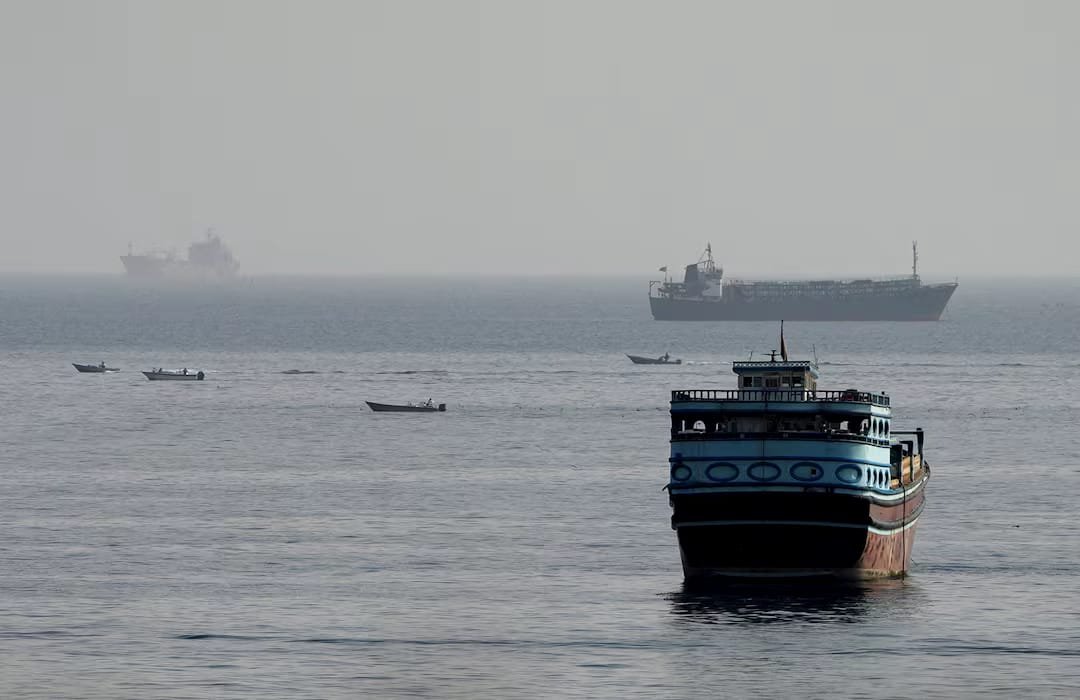
RED SEA — An attack attributed to Iran-backed Houthi rebels killed six people aboard a cargo vessel in the Bab el-Mandeb Strait on Tuesday, marking the first reported fatalities involving Red Sea commercial shipping attacks in more than a year. The incident came as U.S. forces separately struck a container ship in the Gulf of Oman, intensifying concerns over maritime security across two vital waterways.
- Six people killed: Four crew members aboard the Tanzania-flagged Tihamah and two Yemeni personnel were reported dead.
- First fatalities in over a year: The attack represents a major escalation in the threat facing commercial vessels in the Red Sea.
- U.S. strikes container ship: CENTCOM said a Navy helicopter fired two missiles at the Panama-flagged Vela Nova.
- Hormuz tensions continue: Diplomatic efforts involving Iran, Oman and Pakistan are seeking a possible arrangement for maritime traffic.
Six Killed in Attack on Tihamah
Yemen’s transport ministry identified the targeted vessel as the Egyptian-owned, Tanzania-flagged Tihamah. Four members of its crew were reported killed, including three Pakistani nationals and one Indonesian.
Two members of Yemen’s government-allied National Resistance Forces were also reportedly killed in a subsequent strike while participating in rescue efforts, according to the information provided by Yemen’s transport authorities.
The Yemeni transport ministry blamed the Houthi group for the attack and its consequences. A Houthi-aligned media outlet subsequently claimed the group had targeted a vessel carrying Saudi military equipment, although the Houthis had not officially addressed the reported casualty figures.
Houthi Red Sea Blockade Raises Shipping Risks
The incident followed the Houthi declaration of a naval blockade against Saudi Arabia in the Red Sea on July 20. The group said the measure was retaliation for what it described as a Saudi “siege” of Yemen, an allegation Riyadh has rejected.
The development comes after a prolonged period in which attacks on commercial shipping have already disrupted maritime traffic. The reported deaths aboard the Tihamah now add a human toll to the wider economic and logistical risks affecting vessels operating through the region.
U.S. Forces Strike Vela Nova in Gulf of Oman
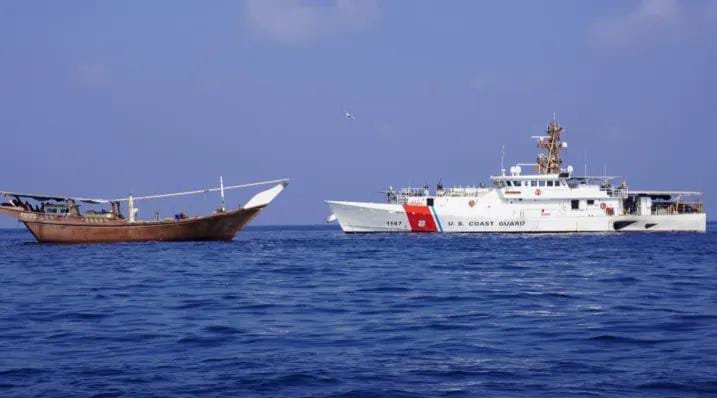
Hours after the Red Sea incident, the U.S. Central Command said American forces had fired two missiles at the Panama-flagged container ship Vela Nova while it was sailing through the Gulf of Oman.
According to CENTCOM, the ship ignored warnings and attempted to pass through a U.S. naval blockade covering Iranian ports. The strike disabled the vessel’s steering and propulsion systems. No immediate casualties were reported.
CENTCOM said U.S. forces have redirected 55 commercial vessels accused of attempting to breach the blockade since it was introduced, while three non-compliant vessels have been disabled and two boarded.
Hormuz Shipping Remains Caught in Wider Conflict
The maritime confrontations come as diplomatic efforts between Washington and Tehran remain stalled. Iran’s Supreme National Security Council has demanded an end to the U.S. naval blockade, sanctions relief, American troop withdrawals and war reparations as conditions for reopening the Strait of Hormuz.
President Donald Trump has instead demanded compensation from Iran. The opposing positions have complicated efforts to restore regular commercial traffic through the strategically important waterway.
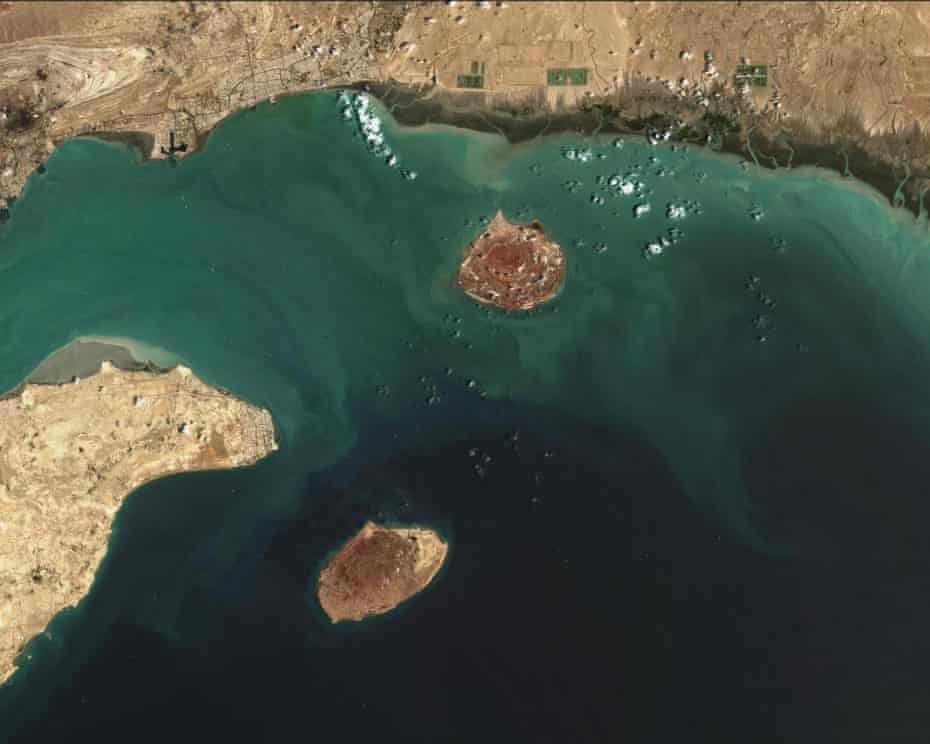
The Strait of Hormuz previously carried around 20% of global oil trade before the conflict began in late February. Since then, traffic has fallen sharply, contributing to disruptions in energy markets and wider economic concerns.
Oil Prices Rise as Maritime Risks Persist
Renewed tensions have also supported higher crude prices. Brent crude futures for October delivery rose 0.6% to $89.44 a barrel on Wednesday, while U.S. West Texas Intermediate for September increased 0.7% to $83.80, according to LSEG data.
Brent had gained more than 7% during the week, reflecting heightened concerns about supply disruptions. Warren Patterson, ING’s head of commodities strategy, said current rhetoric indicated that a potential agreement remained some distance away and that risks to oil prices remained tilted upward.
Diplomatic Efforts Offer Limited Opening
Despite the military escalation, officials from Pakistan and Qatar have pointed to continuing diplomatic activity surrounding the Strait of Hormuz.
Pakistan’s Defence Minister Khawaja Asif said the United States and Iran were approaching “some sort of arrangement” and described the situation as moving again toward a possible peace arrangement or deal.
A Qatari Foreign Ministry spokesperson separately said discussions between Iran and Oman over a shipping channel through the Strait of Hormuz had reached a “critical juncture.”
The contrasting developments leave commercial shipping facing heightened security risks while diplomatic efforts continue in parallel. The Red Sea deaths and the U.S. strike in the Gulf of Oman demonstrate how the conflict is affecting multiple maritime routes that are central to international trade and energy supplies.

Praveen Yadav is the Founder and Editor at The Nation Bulletin. With over 3 years of experience in digital journalism and news reporting, he covers national affairs, governance, and breaking current events with a commitment to factual accuracy and verified reporting.