US forces struck two Iranian launchers on Larak island in the Strait of Hormuz, prompting Iran to launch retaliatory missile attacks against US-operated airbases in Jordan. The escalation comes as the conflict enters its sixth month amid stalled diplomatic efforts.
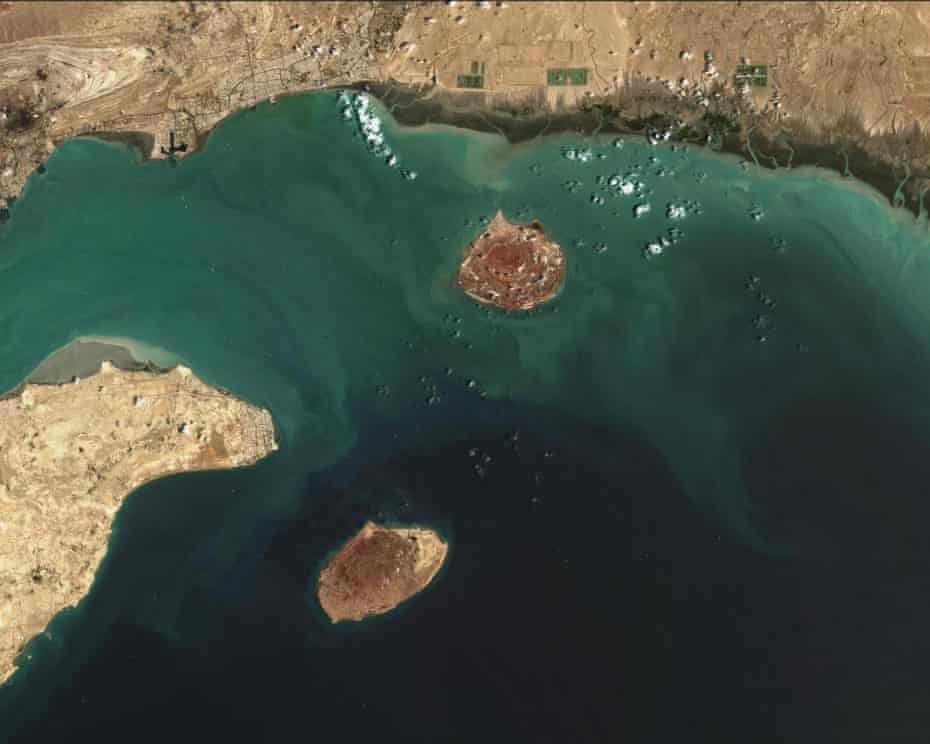
WASHINGTON — US forces have struck two Iranian launchers on Larak island in the Strait of Hormuz, according to a US official, after Iranian Revolutionary Guard forces were reportedly observed preparing to launch rockets carrying sea mines into the strategic waterway. Iran subsequently launched ballistic missiles at US-operated facilities in Jordan.
Key Highlights
- US forces struck two Iranian launchers on Larak island, according to a US official.
- Iran’s Revolutionary Guards said the American attack killed and wounded several soldiers and civilians.
- Iran said it targeted US-operated King Hussein and al-Azraq airbases in Jordan with ballistic missiles.
- A US source said incoming missiles targeting US forces in Jordan had been intercepted with no significant impact so far.
- Donald Trump later claimed that Iran’s Kharg island energy hub was being attacked, although no further details were immediately provided.
- The conflict has crossed the six-month mark after the US and Israel attacked Iran on February 28.
US Strikes Iranian Launchers on Larak Island
A US official said American forces attacked two Iranian launchers on Larak island on Sunday. According to the official, Islamic Revolutionary Guard Corps forces had been observed preparing to launch rockets with sea mines into the Strait of Hormuz.
The US said the strikes were intended to prevent Iran from placing additional sea mines in the waterway. The attacks were the first known US strikes on Iran since late July, according to the supplied report.
“I can confirm that earlier today US forces struck two Iranian launchers on Larak island.”
Iran’s Revolutionary Guards said the attack killed and wounded several soldiers and civilians and warned that Tehran would respond with “punishment”.
Iran Retaliates With Missile Strikes on Jordan Airbases
Iran’s Revolutionary Guards later announced that it had targeted technical infrastructure, maintenance facilities and fighter jet positions at the US-operated King Hussein and al-Azraq airbases in Jordan.
Iranian state television said ballistic missiles caused “heavy damage” at the facilities. The semi-official Fars news agency also reported that a spokesperson said the US would pay economically and militarily for its attack.
However, a US source cited by Reuters said all incoming missiles targeting US forces in Jordan had been intercepted, with no significant impact reported at the time.
Iran Says US Drone Was Shot Down
Iran’s semi-official Tasnim news agency reported that the American strike on Larak was carried out using a drone. The IRGC later said its air defences had shot down a US MQ-9 drone over the Strait of Hormuz.
According to the Mehr news agency, the drone crashed into Gulf waters. The supplied report does not provide an independent confirmation of the Iranian claim.
Trump Claims Kharg Island Was Under Attack
Hours after the strikes, US president Donald Trump said in a social media post that Iran’s energy hub of Kharg island was being “blown to smithereens”. He did not provide further details.
The White House and US defense department did not immediately respond to requests for comment, while there was also no immediate response from Iran concerning Trump’s claim.
Kharg is a major part of Iran’s energy trade. The supplied report says the island handled 90% of Iran’s oil exports before the war, meaning an attack there would severely disrupt the country’s energy trade and put significant pressure on its economy.
Strait of Hormuz Remains a Major Flashpoint
The US said the Larak strikes were designed to prevent Iran from launching additional sea mines into the Strait of Hormuz. Donald Trump had said the previous week that all mines in the international waters of the strait had either been detonated or removed.
Trump also warned that any ship or boat placing new mines in the waterway would be destroyed.
The Strait of Hormuz has become a major point of concern during the conflict. Before the war, the waterway accounted for the transit of about a fifth of the world’s consumed oil barrels, according to the supplied report.
War Continues Despite Diplomatic Efforts
The latest exchange comes after months of conflict and unsuccessful attempts to reach a lasting settlement. The US and Israel launched attacks on Iran on February 28, followed by Iranian strikes against Israel and Gulf states hosting US military bases.
A ceasefire was agreed in April, and a memorandum of understanding toward a final peace deal was signed in June. However, no final agreement has followed, while Washington has since declared “economic warfare” against Tehran.
Mediators including Pakistan and Qatar have spent months trying to help end the conflict. The supplied report says the war has killed thousands and displaced millions, while 18 US service members have been killed.
The latest US-Iran exchange marks a fresh escalation around the Strait of Hormuz as Washington and Tehran remain without a final peace agreement. The reported strikes on Larak, the retaliatory missile attacks in Jordan and the disputed claims surrounding the US drone and Kharg island show that the conflict remains active despite earlier diplomatic initiatives.

Praveen Yadav is the Founder and Editor at The Nation Bulletin. With over 3 years of experience in digital journalism and news reporting, he covers national affairs, governance, and breaking current events with a commitment to factual accuracy and verified reporting.