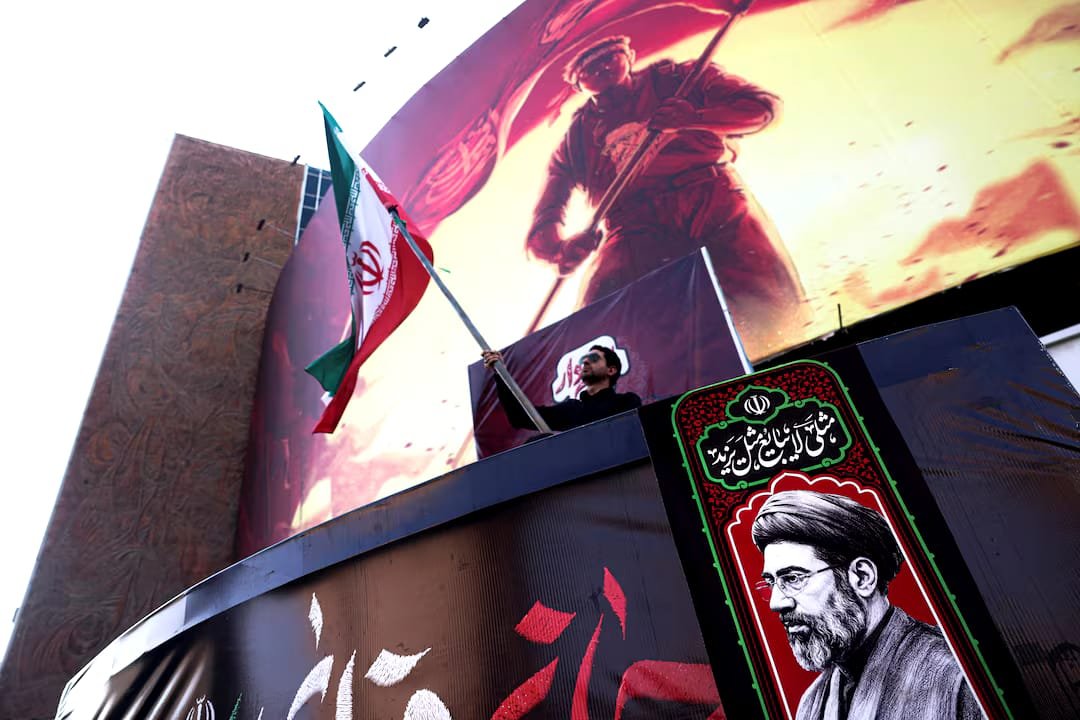
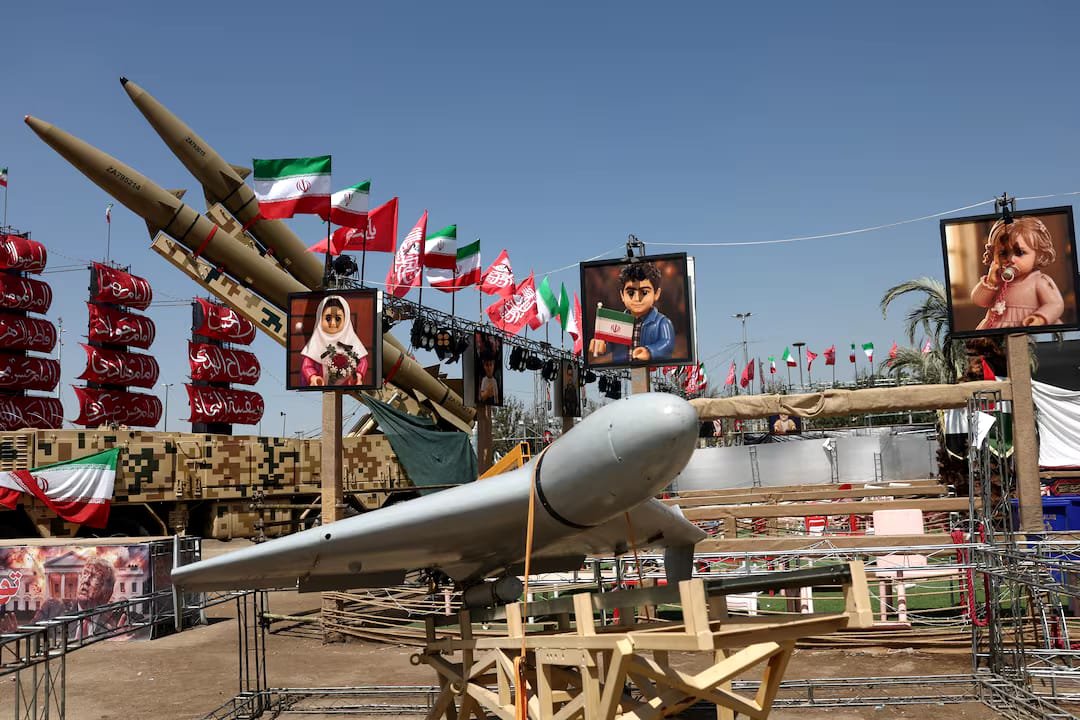
Iran is increasingly relying on economic and maritime pressure rather than direct military confrontation as it seeks to strengthen its position in its ongoing standoff with the United States, according to Gulf officials and analysts cited by Reuters. Instead of pursuing a decisive battlefield victory, Tehran is focusing on a strategy that raises the costs of the conflict for Washington, its regional partners and the global economy.
According to the Reuters report published on August 3, Iranian leaders believe that sustained pressure on key trade routes, shipping lanes and energy infrastructure could eventually force the United States to make concessions, particularly over the future of the Strait of Hormuz. The waterway remains one of the world’s most important energy transit routes and has become the central point of disagreement between the two countries.
Strategy Focuses on Gradual Escalation Instead of Full-Scale War
Officials and analysts told Reuters that Iran’s current approach is based on what they describe as “calibrated escalation.” Rather than provoking an all-out military conflict, Tehran is widening the scope of pressure through actions that increase uncertainty in regional trade while stopping short of triggering a broader war.
The report says Iranian policymakers believe expanding the conflict geographically could make it more expensive for the United States and its allies to maintain their current position. Their objective, according to regional sources, is to convince Washington that managing continued instability would be more costly than negotiating a new arrangement that gives Iran a larger role in the Strait of Hormuz.
Michael Knights of the Washington Institute told Reuters that Iran has consistently sought to introduce new forms of escalation over time.
“Iran, from the beginning, has tried to out-escalate the United States by stretching out its escalation options so that it always has something new to bring every week — a new geography, a new type of weapon, a new type of target,” Knights said.
He added that Tehran’s greatest leverage does not come from its ability to directly damage the United States or Israel, but from its capacity to affect regional countries and disrupt the global economy.
Maritime Routes Become Central to Iran’s Pressure Tactics
Reuters reported that after demonstrating its ability to disrupt shipping through the Strait of Hormuz, Iran has signalled that other strategic maritime chokepoints could also come under pressure. The report notes that threats involving the Red Sea and Saudi Arabia’s energy infrastructure indicate a broader effort to increase the costs associated with protecting international trade and energy supplies.
One Gulf source quoted by Reuters said commanders within Iran’s Revolutionary Guards believe they still have room to increase pressure. According to the source, Iranian officials also view the current political environment in the United States as an opportunity, believing President Donald Trump may be reluctant to become deeply involved in another prolonged conflict in the Middle East ahead of the November midterm elections.
“The Iranians…believe that by widening the war and increasing the pressure, he will eventually give in,” the Gulf source told Reuters.
That assessment has become a key part of Tehran’s broader negotiating strategy. Iranian officials reportedly believe that earlier attempts to show flexibility resulted in additional pressure from Washington rather than progress toward an agreement. As a result, Reuters reports that Iran’s leadership now believes it must first establish stronger leverage before entering meaningful negotiations.
US-Iran Talks Remain Uncertain as Both Sides Hold Firm
Diplomatic efforts have so far failed to produce a breakthrough despite recent signals from Washington. According to Reuters, U.S. President Donald Trump said talks with Iran would take place on Monday after previously stating that he had called off an imminent military strike in the hope of reaching an agreement to reopen the Strait of Hormuz.
Iran, however, denied that negotiations with the United States were currently taking place. The differing public positions highlight the uncertainty surrounding diplomatic efforts and suggest that both sides remain far apart on key issues despite ongoing international attention.
A senior Iranian source told Reuters that Tehran’s leadership now believes earlier attempts at flexibility only resulted in greater pressure from Washington. As a result, Iranian officials have concluded that stronger leverage must be established before meaningful negotiations can begin.
According to the source, Iran’s leadership believes President Trump views concessions as a sign of weakness and is more likely to respond when faced with increased pressure.
Control of the Strait of Hormuz Remains at the Centre of the Dispute
Reuters reported that one of the biggest disagreements between Washington and Tehran concerns the future governance of the Strait of Hormuz, one of the world’s most strategically important shipping routes.
Regional sources told Reuters that Oman has presented Iran with a Gulf-backed proposal that includes voluntary user fees for vessels using the waterway. Tehran, however, is seeking administrative authority over the strait along with the ability to impose service charges on ships passing through it.
The United States has rejected any proposal that would allow Iran to collect fees, maintaining that the Strait of Hormuz should remain an international waterway open to global shipping without Iranian control.
Michael Singh, a senior fellow at the Washington Institute, told Reuters that Iran believes it still has the initiative because the Trump administration has not clearly defined how far it is prepared to go militarily.
“The Iranians are trying to press their advantage. They’re interested in establishing sovereignty over the strait and exercising selective control over the waterway,” Singh said.
Former U.S. diplomat and Iran expert Alan Eyre also told Reuters that Tehran’s strategy is centred on deterrence. According to him, Iran wants Washington to lift its blockade and halt military strikes while preventing the United States from controlling the pace of the crisis.
Regional Security Efforts Shift Toward Protecting Global Trade
As tensions continue, Reuters reported that regional governments and Western allies are increasingly focusing on protecting commercial shipping and energy infrastructure instead of directly confronting Iran. Gulf sources described a Saudi-led maritime coalition as a defensive framework designed to escort merchant vessels, improve intelligence sharing and secure vital sea lanes.
Michael Knights compared the initiative to Europe’s Aspides mission in the Red Sea, which was established primarily to safeguard merchant traffic rather than alter the military balance in the region.
Analysts say this shift aligns with Tehran’s broader strategy. By forcing governments to devote additional military and financial resources to protecting international trade routes, Iran increases the overall cost of the confrontation without engaging in direct large-scale conflict.
Conflict Becomes a Test of Endurance
According to Reuters, Iranian leaders appear to believe they can withstand economic pressure longer than a U.S.-led coalition can sustain repeated disruptions to global trade and energy markets. Each new threat involving the Strait of Hormuz, the Bab al-Mandeb or other strategic maritime routes requires additional naval deployments and security measures to keep commerce moving.
Ray Takeyh of the Council on Foreign Relations told Reuters that both Washington and Tehran are continuing to respond to each other’s moves with further escalation, making future negotiations increasingly complex.
“If there are going to be negotiations, they will define the terms. Both sides are matching escalation with escalation,” Takeyh said.
While neither side appears ready to retreat from its current position, analysts cited by Reuters caution that continued escalation could increase the risk of a broader regional conflict, even if both governments continue to prioritise leverage over direct military confrontation.
Source: Reuters

Praveen Yadav is the Founder and Editor at The Nation Bulletin. With over 3 years of experience in digital journalism and news reporting, he covers national affairs, governance, and breaking current events with a commitment to factual accuracy and verified reporting.