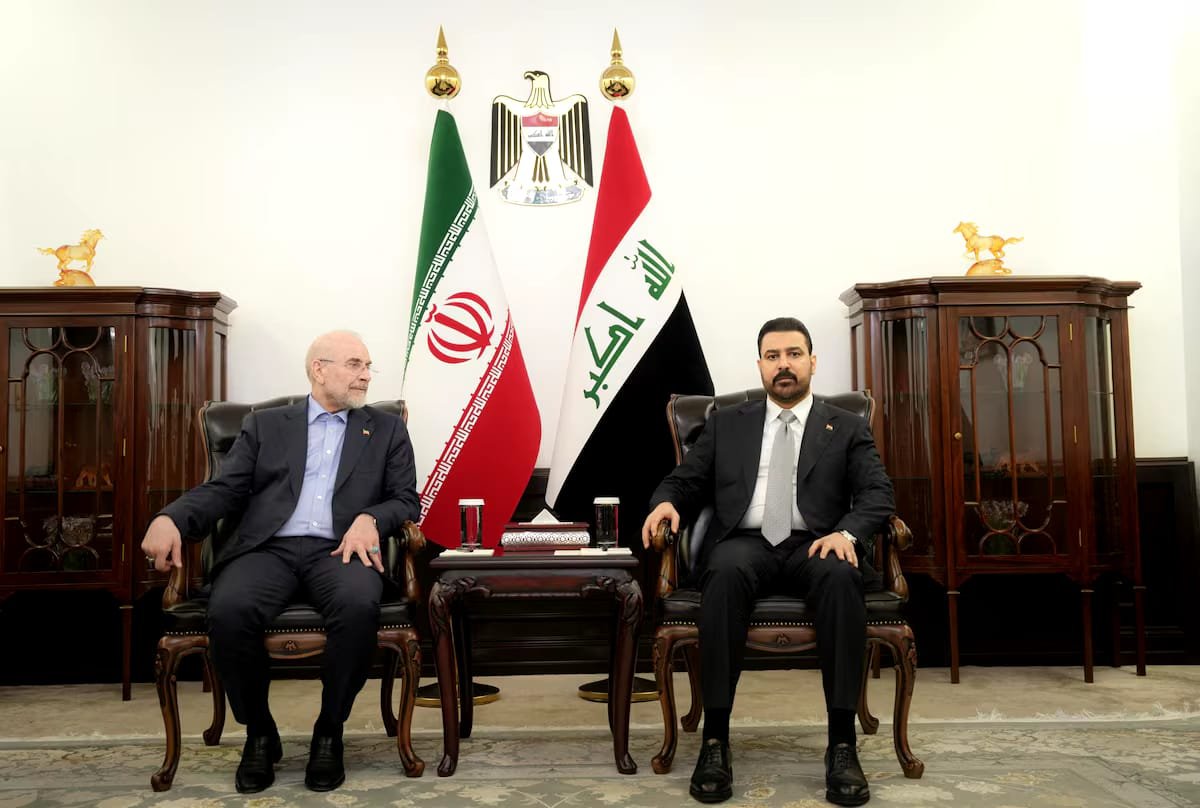
BAGHDAD, Iraq — Iran has granted special permission for a number of Iraqi oil tankers to pass through the Strait of Hormuz after repeated requests from Baghdad, potentially easing a major obstacle for Iraq’s crude exports amid continued disruption in the strategic waterway.
- Key Highlights:
- Iran approved the passage of a number of Iraqi oil tankers through the Strait of Hormuz.
- Baghdad had repeatedly raised the issue through several channels with Iranian officials.
- Iraqi President Nizar Amedi said vessels carrying Iraqi oil had been allowed through in recent days.
- Iraq is also working on alternative export routes through Turkey, Syria and Jordan.
Iran approves passage of Iraqi oil tankers
Iran’s state news agency IRNA reported on Saturday that Tehran had authorized a number of Iraqi oil tankers to travel through the Strait of Hormuz following repeated requests from Baghdad.
According to IRNA, securing special permission for Iraqi vessels was one of the main requests raised by Baghdad during Iranian Parliament Speaker Mohammad Baqer Qalibaf’s visit to Iraq.
The development comes as shipping traffic through the Strait remains well below levels seen before the Iran war. Vessels operating in the area also continue to face attacks, adding to the difficulties confronting countries dependent on the waterway.
Baghdad says oil shipments have resumed through the strait
Iraqi President Nizar Amedi said Saturday that Iran had facilitated the movement of vessels carrying Iraqi oil through the Strait of Hormuz in recent days.
Amedi said Baghdad had discussed the export of Iraqi oil through the strategic waterway with Iranian officials. However, he described the situation as complicated while speaking at the Baghdad Dialogue policy conference.
The limited permission is significant for Iraq because the country has been among those most affected by the effective closure of the Strait. The disruption has restricted a key route for oil shipments and increased pressure on Baghdad to secure alternatives.
Iraq seeks alternative routes for crude exports
While seeking access through Hormuz, Iraq is also pursuing other ways to move its oil to international markets. Prime Minister Ali al-Zaidi said Friday that Baghdad was working to expand exports through Turkey’s Ceyhan port.
The Iraqi government is also seeking to begin exporting crude through Syria’s Baniyas port and Jordan’s Aqaba port. The efforts reflect Baghdad’s attempt to reduce its dependence on a single maritime route during the continuing disruption.
Iraq produced around 4 million barrels of oil per day before the outbreak of the Iran war, making the disruption to export routes particularly important for the country’s energy sector.
Hormuz disruption continues to affect shipping
The Strait of Hormuz remains a critical passage for regional oil shipments, but traffic has stayed significantly below pre-war levels. Continued attacks in the area have further complicated the movement of commercial vessels.
For Iraq, the problem is not limited to the availability of tankers. The country must also secure reliable routes for getting crude to international buyers while navigating the wider disruption around the strait.
The permission granted by Iran therefore provides a limited route for Iraqi oil tankers, but Baghdad’s parallel efforts to develop export options through Turkey, Syria and Jordan show that the country is continuing to look beyond Hormuz for ways to maintain its crude shipments.

Praveen Yadav is the Founder and Editor at The Nation Bulletin. With over 3 years of experience in digital journalism and news reporting, he covers national affairs, governance, and breaking current events with a commitment to factual accuracy and verified reporting.