BANDAR ABBAS, Iran — Iran has rejected US President Donald Trump’s claim that the Strait of Hormuz could eventually become US territory, as tensions remained high in the strategic waterway and a bulk carrier was reportedly struck by an unidentified projectile. The latest developments came as diplomatic contacts between Tehran and Washington showed no clear sign of moving towards formal negotiations.
- Iranian Deputy Foreign Minister Kazem Gharibabadi rejected Trump’s claim over the Strait of Hormuz.
- UKMTO reported that a bulk carrier was struck by an unknown projectile in the waterway.
- Iranian Foreign Minister Abbas Araghchi said there was no ceasefire or direct negotiation with the US.
- US officials indicated that economic pressure and the naval blockade of Iranian ports would continue.
Iran rejects Trump’s Strait of Hormuz claim
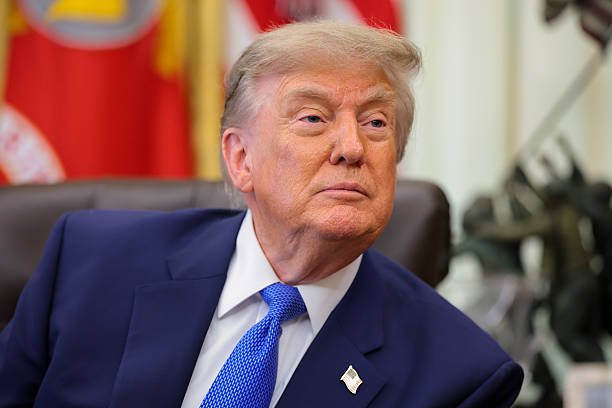
Iranian Deputy Foreign Minister Kazem Gharibabadi pushed back against Trump’s statement, asserting that Tehran would continue to control access to the waterway. His remarks came after Trump said that, following a US victory over Iran, he could declare the Strait of Hormuz a US territory.
“The Strait of Hormuz cannot be seized by tweet, nor by aircraft carrier, nor by issuing an order, nor by an election speech,” Gharibabadi said in a post on X.
Trump has previously discussed the possibility of imposing tolls in the strait after the conflict, although he later abandoned that proposal. The waterway has remained at the centre of the wider confrontation because of its importance to regional shipping and energy supplies.
Bulk carrier reportedly struck in Strait of Hormuz
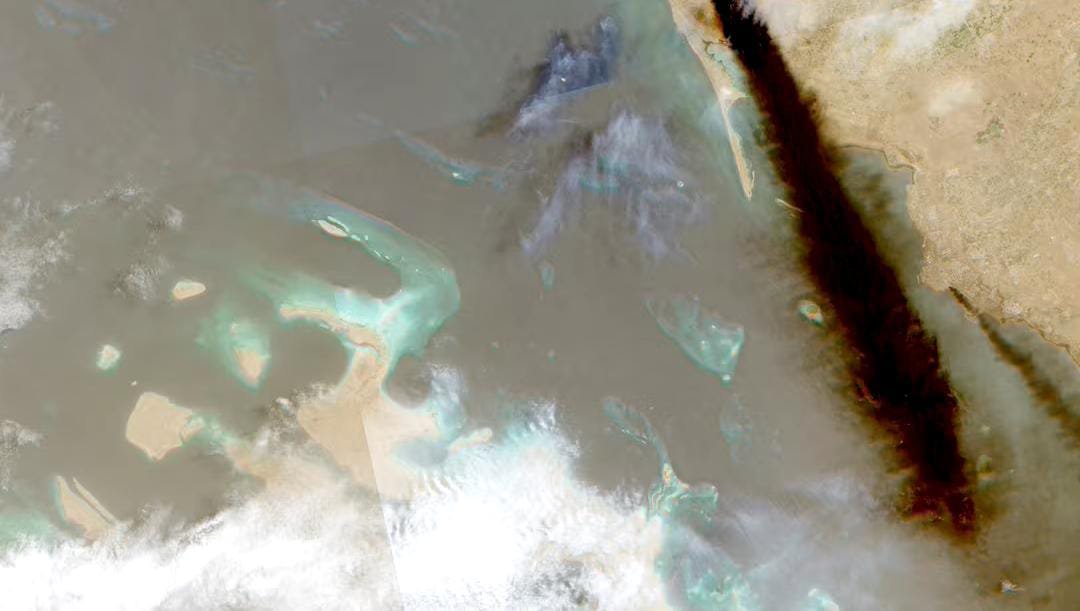
The diplomatic dispute was accompanied by another reported maritime incident. The United Kingdom Maritime Trade Operations Centre, known as UKMTO, said it had received a verified report of a bulk carrier being struck by an unknown projectile that hit the vessel’s hull.
The report added to a series of maritime security incidents in the Strait of Hormuz during the conflict. The latest incident further underscored the risks facing commercial shipping while tensions between Iran and the US remain unresolved.
Iran says no ceasefire or negotiations are underway
Iranian Foreign Minister Seyed Abbas Araghchi was quoted by Iranian news outlet Shahrara News as saying that Tehran and Washington did not currently have anything resembling a ceasefire.
Araghchi said Qatar and Pakistan were exchanging messages between the two sides and remained in contact with Iran, but stressed that such communication should not be interpreted as formal negotiations.
The absence of direct talks comes as both sides continue to maintain firm positions over the conflict and the future of the Strait of Hormuz.
US maintains economic and naval pressure
US Treasury Secretary Scott Bessent said Washington would impose economic measures on Iran on an unprecedented scale. He described the strategy as a combination of economic isolation and continued pressure around the Strait of Hormuz.
US Defense Secretary Pete Hegseth has also indicated that the naval blockade of Iran could continue indefinitely, with American ships rotated as necessary. Media reports said the USS George Washington was heading to replace the USS Abraham Lincoln, which has spent an extended period deployed in the Middle East.
The George Washington strike group departed Vietnam on August 12, according to the US Navy.
Higher fuel prices add to economic pressure
The confrontation is also affecting fuel prices in the United States. Trump told Americans that they would have to tolerate somewhat higher gasoline prices while Washington continued its campaign against Iran.
The average US gasoline price stood at $4.07 per gallon on Saturday, according to the American Automobile Association, compared with $3.15 a year earlier.
The elevated prices add an economic dimension to the continuing standoff, with disruptions around the Strait of Hormuz affecting expectations for energy markets.
Questions raised over USS Abraham Lincoln conditions
Hegseth rejected reports describing poor conditions aboard the USS Abraham Lincoln as inaccurate. However, Democratic Representative Mike Levin said he had written to Hegseth and Acting Secretary of the Navy Hung Cao after receiving concerns from military families.
Levin’s letter cited allegations involving maintenance problems, shortages of supplies and heavy workloads contributing to fatigue among sailors and Marines. US Central Command separately rejected reports of a fight aboard the carrier and said no service members had died.
Those comments followed claims carried by Iranian media that seven US Navy personnel had been killed and others wounded in an alleged confrontation aboard the Lincoln. US Central Command denied the reports.
What happens next?
The dispute over the Strait of Hormuz remains closely linked to the wider US-Iran conflict. With Iran rejecting Trump’s territorial claim, Washington maintaining economic and military pressure, and maritime incidents continuing to be reported, the waterway remains a major point of tension.
Frequently Asked Questions
Why is the Strait of Hormuz important in the current conflict?
The waterway is a crucial maritime route for regional energy shipments, making security and access through the strait an important part of the wider US-Iran confrontation.
Are Iran and the United States currently negotiating?
Iranian Foreign Minister Abbas Araghchi said there were no negotiations between Tehran and Washington at the time of his remarks, although Qatar and Pakistan were exchanging messages between the parties.
Sources: Supplied report; UK Maritime Trade Operations information cited in the supplied material.

Praveen Yadav is the Founder and Editor at The Nation Bulletin. With over 3 years of experience in digital journalism and news reporting, he covers national affairs, governance, and breaking current events with a commitment to factual accuracy and verified reporting.