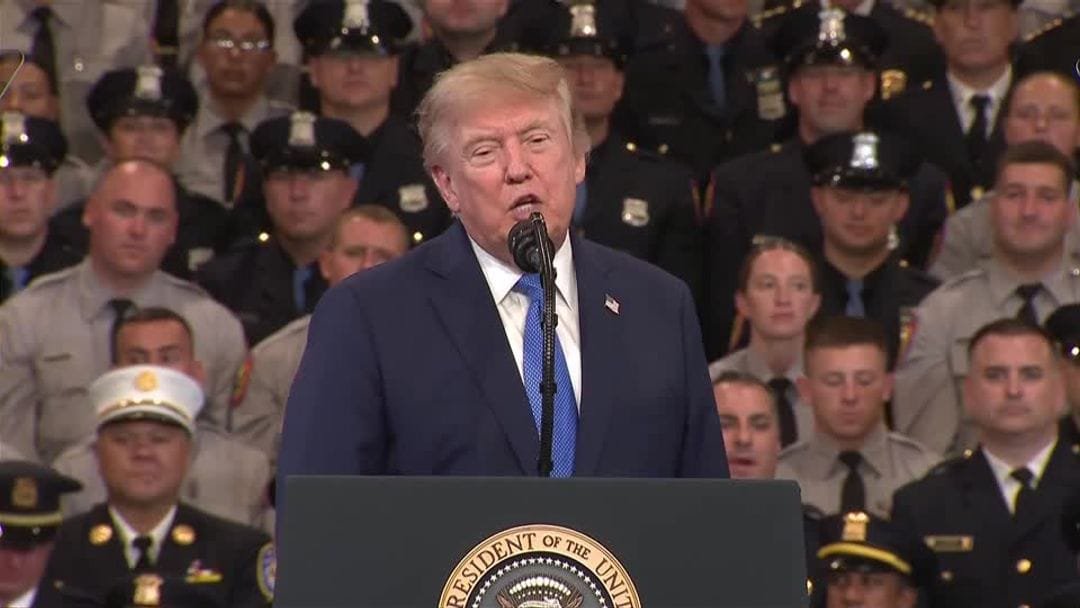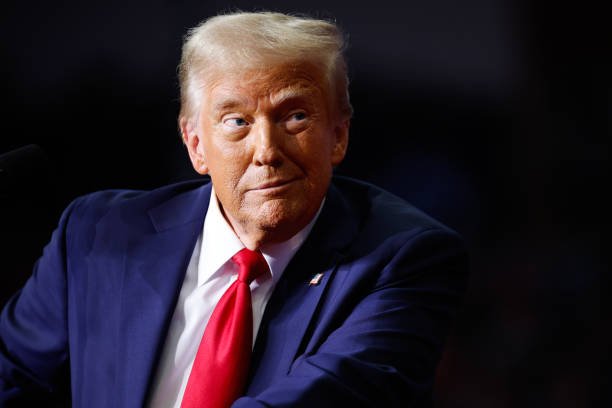
WASHINGTON, United States — US President Donald Trump has vowed to intensify economic pressure on Iran, with Treasury Secretary Scott Bessent warning that Washington could announce measures against Tehran as soon as next week. The possible moves come after months of additional US sanctions targeting Iran’s energy, shipping and financial networks since the Iran war began in February.
Key Highlights
- The US has already sanctioned more than 1,000 people, vessels and aircraft during Trump’s second term, according to Treasury’s OFAC data.
- Potential new measures could target Chinese independent oil refineries, banks, shipping networks and currency exchangers linked to Iran.
- A broader land blockade has also been discussed, although experts say it would be difficult to implement.
- New tariffs against countries trading with Iran face legal and political obstacles after the Supreme Court struck down the previous legal basis for such taxes.
Trump Iran Economic Pressure Could Focus on China’s Oil Trade
One of Washington’s most significant options is to increase pressure on Chinese independent refineries, commonly known as “teapots”. These refineries account for about a quarter of China’s refinery capacity and have become important buyers of Iranian crude.
According to 2025 data from analytics firm Kpler cited in the supplied Reuters report, China purchased more than 80% of Iran’s shipped oil. Independent Chinese refiners handle a substantial portion of that trade and could therefore face secondary sanctions for continuing business connected to Iran.
Earlier US sanctions have discouraged some larger independent refiners from purchasing Iranian oil. However, sanctions experts say smaller operators may be less vulnerable because they have limited exposure to the US financial system.
Could Washington Target Chinese Banks?
Another option would involve financial institutions in China and Hong Kong. The US Treasury has already sanctioned smaller entities accused of processing Iranian oil revenues and supporting weapons procurement.
Treasury has also warned two larger Chinese banks that they could face secondary sanctions if Iranian funds were found moving through their systems. The banks have not been publicly identified.
Targeting larger financial institutions could send a stronger warning to other banks considering business with Iran. At the same time, sanctions experts caution that such a move could provoke retaliation from Beijing.
The issue is particularly sensitive because Washington is attempting to manage broader tensions with China. US officials are concerned about China’s role in supplying critical minerals needed for advanced technology production.
More Pressure on Iran’s Sanctions-Evasion Network
The Trump administration can also continue targeting companies and individuals involved in helping Tehran bypass sanctions. Recent Treasury actions have focused on firms that facilitate the conversion of Iranian oil revenue into imports.
But sanctions specialists describe this strategy as a continuing cycle. Brett Erickson of Obsidian Risk Advisors said Tehran can establish replacement entities after existing networks are sanctioned, creating what he described as a “whack-a-mole” problem.
Miad Maleki of the Foundation for Defense of Democracies said Bessent’s warning could signal tougher enforcement against oil shippers, purchasers and currency exchangers involved in Iran’s trade and payments system.
Aviation and Land Blockade Options
Further aviation sanctions are another possible route. According to Maleki, restrictions on aviation could be aimed at reducing Iran’s ability to move goods after the US blockade of shipping through the Strait of Hormuz.
Some US and Israeli officials have also discussed the possibility of a land blockade. Such a measure would require cooperation from Iran’s neighboring countries, including Iraq, Turkey, Pakistan, Afghanistan, Turkmenistan, Azerbaijan and Armenia.
The idea presents major practical challenges. Iran’s borders are extensive, while some neighboring relationships and security conditions would make comprehensive enforcement difficult.
A land blockade could also affect ordinary Iranian consumers by restricting access to food, energy and textiles. Experts cited in the report questioned whether such pressure would necessarily produce the internal political response Washington might seek.
Secondary Tariffs Face Legal and Political Hurdles
Trump has repeatedly threatened tariffs against countries that conduct business with Iran. However, the Supreme Court has struck down the legal basis previously used for such tariffs.
The Senate has passed a broad Russia sanctions bill containing additional Iran-related sanctions. The legislation would provide Trump with new tariff powers that could potentially be directed at countries assisting Iran’s commercial activities or weapons procurement.
The measure still requires approval from the House of Representatives. Its progress could be complicated by concerns among Democrats and some Republicans about the proposed tariff provisions.
What the US Has Already Done
Washington has used sanctions against Iran for decades, alongside measures imposed by the United Nations and European Union. The restrictions have addressed issues including Iran’s nuclear programme, human rights concerns and support for militant groups.
Since Trump’s second term began, OFAC has sanctioned more than 1,000 people, vessels and aircraft, according to the Treasury data cited in the report. Recent measures have included Iran’s shadow oil fleet, shipping insurers, weapons-related networks and digital exchanges.
The supplied Reuters report also states that an estimated $500 billion in Iran-linked cryptocurrency has been frozen through recent measures.
What Happens Next
Bessent’s statement suggests that Washington is considering a more aggressive enforcement phase, with potential targets ranging from oil buyers and financial institutions to shipping, aviation and sanctions-evasion networks.
The biggest challenge for the administration will be increasing pressure on Iran without triggering wider economic or diplomatic consequences, particularly in its dealings with China and other countries that remain connected to Iranian trade.

Praveen Yadav is the Founder and Editor at The Nation Bulletin. With over 3 years of experience in digital journalism and news reporting, he covers national affairs, governance, and breaking current events with a commitment to factual accuracy and verified reporting.