Yemen’s internationally recognised government has warned that the Houthi movement is seeking to replicate Iran’s strategy in the Strait of Hormuz by gaining control over shipping flows through the Red Sea’s Bab al-Mandeb Strait. The warning was issued by Yemen’s foreign minister-designate Afrah al-Zouba in Riyadh as tensions between the Houthis, Saudi Arabia and the internationally recognised Yemeni government continue to escalate.
Yemen warns of Houthi strategy in Bab al-Mandeb
Speaking to journalists at the Yemeni embassy in Riyadh on Monday, al-Zouba said the Houthis were seeking to follow what she described as the Iranian model for controlling a strategically important maritime route.
“The Houthis want to copy the Iranian model, and this will shut down two main straits, the gateways into the Gulf and Red Sea.”
Al-Zouba said the Iran-backed Houthis had become emboldened because of what she described as an insufficient international response to their activities in the region.
Her comments come at a time of rising tensions between the Houthis on one side and Saudi Arabia and Yemen’s internationally recognised government on the other, with maritime traffic through the Red Sea already showing signs of decline.
Why Bab al-Mandeb matters for global shipping
The Bab al-Mandeb Strait links the Red Sea with the Gulf of Aden and the wider Indian Ocean. Its location gives the group controlling western Yemen significant influence over maritime traffic moving through the strategic waterway.
The supplied report says approximately 30 percent of global container traffic passes through the Red Sea, while the route also carries an estimated 12 to 15 percent of overall global trade.
That dependence on uninterrupted maritime traffic makes the prospect of further disruption in the Red Sea an important international concern. The Yemeni government has warned that an attempt to control the Bab al-Mandeb could have consequences extending beyond the immediate conflict.
Red Sea shipping already showing decline
Shipping activity in the Red Sea has already been declining, according to data cited in the report. Only 11 commodity vessels passed through the waterway on Sunday.
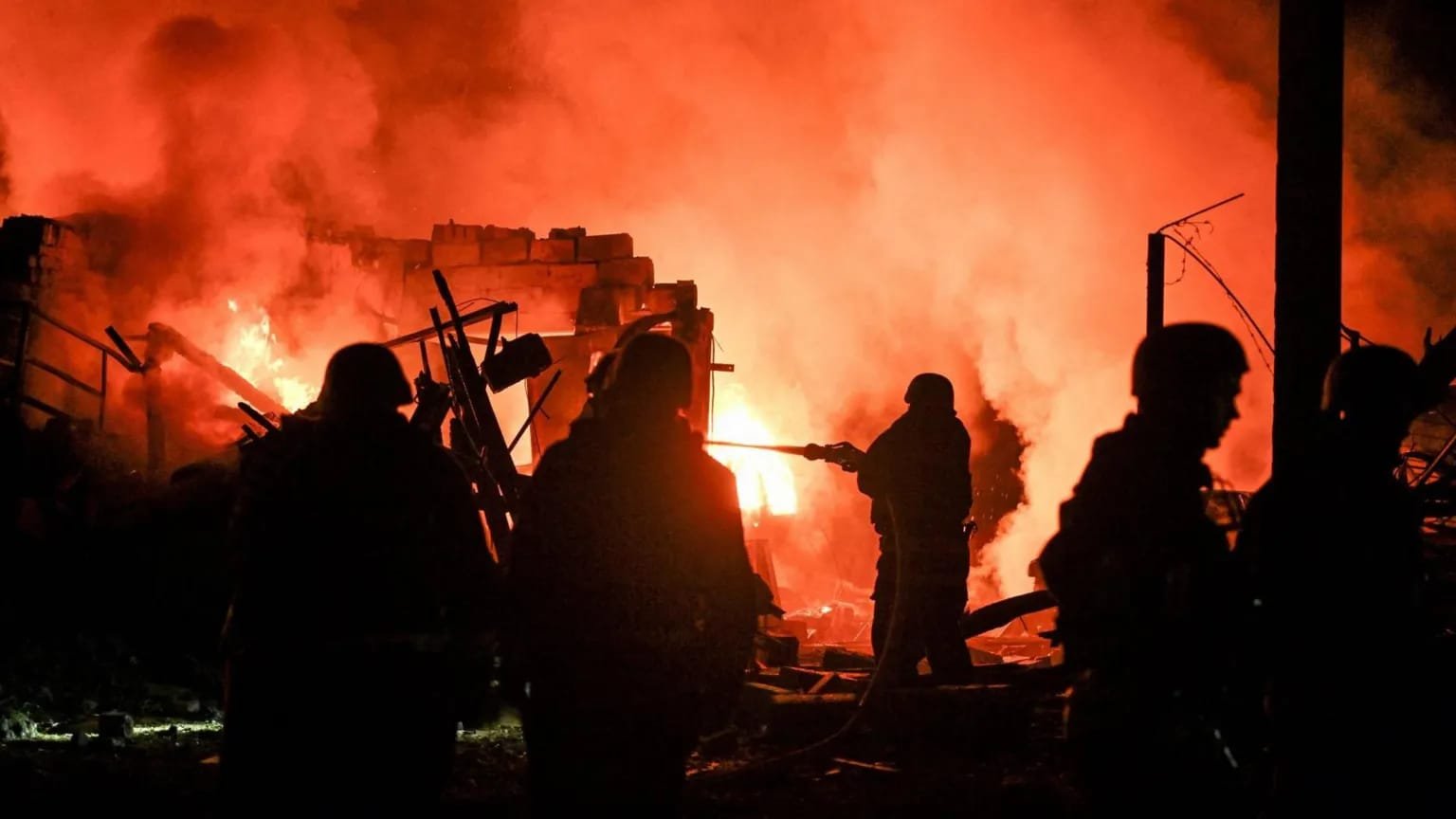
The decline comes against the backdrop of the Houthis’ escalation in July. Earlier in the month, the movement declared a maritime siege affecting Red Sea shipping travelling to and from Saudi Arabia and launched missiles and drones at the kingdom.
Saudi Arabia subsequently carried out air strikes on Hodeidah, a key Yemeni port city held by the Houthis.
July escalation raises fears of wider confrontation
The latest escalation is described in the supplied report as the biggest since a truce was agreed in 2022. The deterioration has also occurred amid a resurgence of US attacks on Iran, adding another layer of regional tension to the situation involving Yemen’s Houthis.
Al-Zouba said Yemen’s government, which is backed by Saudi Arabia, was prepared for further escalation. She also said that exchanges of fire were taking place along the front line separating Houthi-controlled territory from areas controlled by the government.
However, according to al-Zouba, no offensive had been launched.
Nearly 20 fighters killed in clashes around Hodeidah
The deteriorating situation has also been reflected in fighting on the ground. Nearly 20 fighters from the two sides were killed earlier in July during clashes between Houthi forces and government forces around Hodeidah.
The fighting adds to concerns that the maritime confrontation could develop alongside renewed violence inside Yemen, where the conflict has already caused extensive human suffering.
Yemen’s long-running conflict remains unresolved
Yemen’s current tensions are rooted in a conflict that began in 2014, when the Houthis seized the capital, Sanaa. Then-President Abd-Rabbu Mansour Hadi eventually fled to Riyadh.
Saudi Arabia subsequently led an Arab coalition in a campaign aimed at dislodging the Houthis. That campaign continued from 2015 until the 2022 truce.
Despite the truce, the Houthis remain in control of the capital and other parts of Yemen as of 2026. The political and military landscape has also been complicated by tensions between Saudi Arabia and the United Arab Emirates. Riyadh has accused the UAE of backing a southern separatist group in Yemen, with those tensions affecting developments on the ground.
Yemeni civilians have borne the heaviest cost
The conflict has had a devastating humanitarian impact on Yemen’s population. The supplied report says hundreds of thousands of people have died since the war began in 2014.
An estimated 377,000 people died between 2015 and the beginning of 2022, with most deaths attributed not directly to fighting but to the wider consequences of the war, including famine and disease.
That humanitarian toll provides the wider context to the latest escalation. While the current warning centres on shipping through Bab al-Mandeb and the possibility of further regional disruption, Yemen’s civilians have already endured years of conflict and its consequences.
Saudi-Houthi tensions put Red Sea route under renewed pressure
The latest developments bring together Yemen’s unresolved political conflict, Saudi Arabia’s confrontation with the Houthis and the strategic importance of Red Sea shipping.
Al-Zouba’s warning specifically links the Houthi approach to Iran’s strategy around the Strait of Hormuz, arguing that control or disruption of both maritime gateways could threaten the flow of traffic into the Gulf and through the Red Sea.
For now, Yemen’s internationally recognised government says it is prepared for escalation, while fighting continues along parts of the front line. The recent declaration concerning Red Sea shipping and subsequent Saudi air strikes on Hodeidah have further intensified the confrontation.
The developments leave the Bab al-Mandeb Strait at the centre of growing regional tensions, while Yemen continues to face the consequences of a conflict that has already lasted more than a decade.
Source: Al Jazeera Staff and Reuters

Praveen Yadav is the Founder and Editor at The Nation Bulletin. With over 3 years of experience in digital journalism and news reporting, he covers national affairs, governance, and breaking current events with a commitment to factual accuracy and verified reporting.