WASHINGTON, United States — Financial markets rallied this week after US officials and President Donald Trump repeatedly suggested that an agreement with Iran to reopen the Strait of Hormuz could be imminent, even though no deal materialised and Tehran continued to deny that it was negotiating directly with Washington.
- Oil prices fell and stocks climbed after US officials raised hopes of an imminent Hormuz agreement.
- Treasury Secretary Scott Bessent said a deal could come within hours or by the following day.
- Iran has repeatedly denied that it is negotiating directly with the United States.
- Analysts warn that markets may be underestimating the risks of a prolonged conflict and renewed oil-price surge.
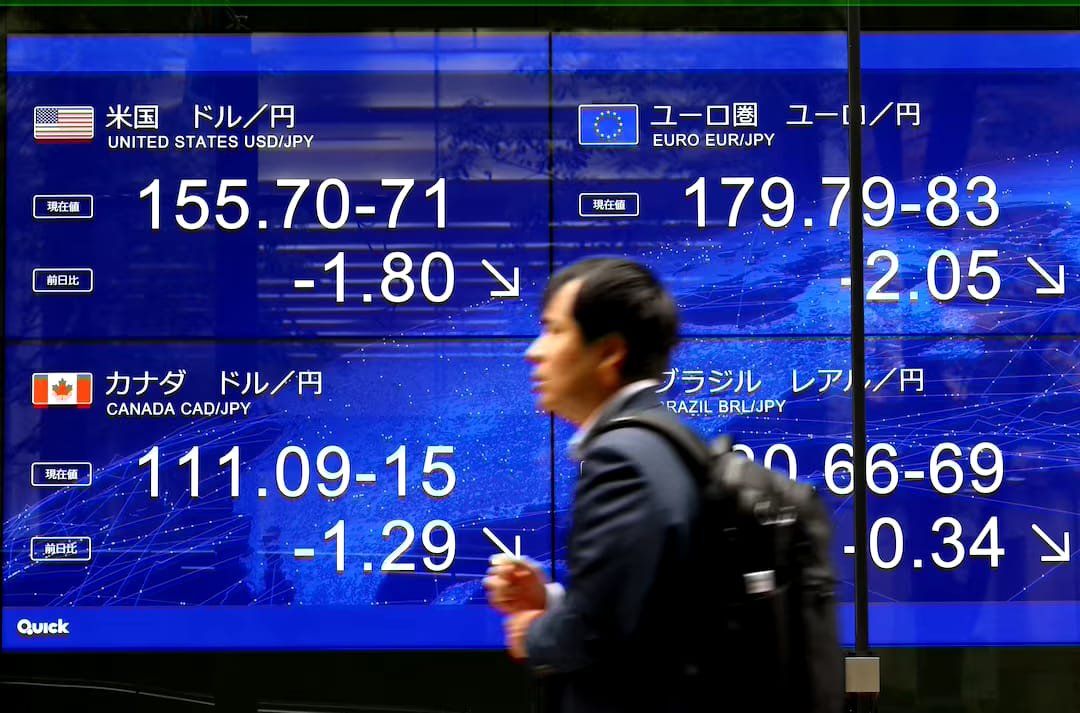
Markets rally on hopes of a Hormuz deal
Investors responded strongly this week to signals from the Trump administration that a diplomatic agreement with Iran could be close.
The focus has been the Strait of Hormuz, a critical route for global oil shipments that has become a major source of leverage for Iran during the conflict.
Iran’s ability to restrict traffic through the waterway has contributed to an energy supply shock, pushing up fuel prices, adding to inflation pressures and raising concerns over global oil reserves.
Against that backdrop, any indication that the strait could reopen has been enough to trigger sharp movements across financial markets.
Bessent raises hopes of a deal within hours
Treasury Secretary Scott Bessent gave markets a fresh boost on Tuesday when he told CNBC’s “Squawk Box” that an agreement guaranteeing freedom of movement through the strait could be reached quickly.
Bessent said the United States was in talks with Iran and that a deal could potentially be reached that day or the next to reopen the waterway and move the conflict towards a more normalised position.
Oil prices dropped following his comments, while stocks moved higher and bond yields declined. The market rally also coincided with gains in technology shares linked to artificial intelligence.
Despite the rally, crude prices remained well above their prewar levels as traders continued to weigh hopes of a diplomatic settlement against the possibility of further military escalation.
Trump repeatedly signals progress
Investor optimism had already increased after Trump said on Sunday that he had halted plans for a large-scale attack on Iran because the “perimeters of a deal has been agreed to”.
The announcement helped push the Dow Jones Industrial Average to a record closing level on Monday.
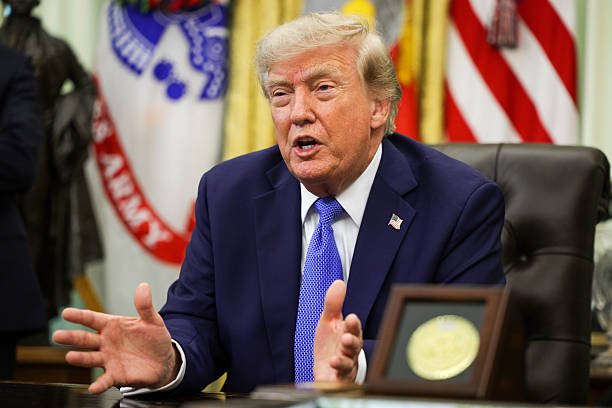
Trump added to the optimism on Tuesday evening, saying an agreement to reopen the Strait of Hormuz could happen as early as Wednesday or Thursday because significant progress had been made.
The Dow reached another record close on Wednesday as investors continued to respond to expectations of a possible breakthrough.
Iran disputes US claims of negotiations
Iran has repeatedly pushed back against the Trump administration’s portrayal of negotiations, saying it is not directly negotiating with the United States.
Instead, Tehran has said it is discussing shipping arrangements through the strait with Oman, a regional power bordering the Persian Gulf.
Trump has rejected Iran’s statements and maintained that discussions between Washington and Tehran are taking place. He has also continued to claim that the United States controls the strait.
However, vessel traffic through the waterway remains significantly below its prewar level. Before the conflict, roughly 20% of the world’s oil passed through the Strait of Hormuz.
Draft Iranian plan challenges expectations
Expectations of an immediate agreement weakened on Thursday after Iranian state media reported a draft proposal that would prevent US and Israeli ships from using the strait and introduce other restrictions.
The Trump administration quickly indicated that such terms would not be acceptable.
A US official told CNBC that any temporary shipping routes would have to operate without approvals, permissions, tolls or charges, while stressing the US position that the Strait of Hormuz is an international waterway.
Asked at the White House whether an agreement to reopen the strait had been reached, Trump declined to say that a deal was complete.
“I don’t want to say it has been. It’s sort of open right now.”
Trump nevertheless said he believed negotiations were progressing well and that an agreement could come soon.
Iranian official mocks Trump’s messaging
Iranian parliamentary speaker Mohammad Bagher Ghalibaf criticised Trump’s repeated suggestions that a breakthrough was imminent.
In a post on X, Ghalibaf described the US messaging as “theater diplomacy on loop” and accused Washington of relying on pressure and what he called false information.
The comments underscored the significant gap between Washington’s portrayal of the diplomatic situation and Tehran’s public position.
Why markets keep responding to deal signals
Analysts say investors appear to have developed a strong bias towards expecting a diplomatic solution, even as negotiations remain uncertain.
Helima Croft, global head of commodity strategy at RBC Capital Markets, described the market as having “tremendous optimism bias”.
She said some investors appear to treat a potential deal as a way to return the Middle East to its prewar conditions, even though a complete restoration of the previous situation may be unlikely.
Claudio Galimberti, partner and chief economist at Rystad Energy, said the future of the Strait of Hormuz remains one of the fundamental disagreements between the two sides.
According to Galimberti, Iran wants to impose a service fee, while the US wants the waterway restored to its prewar status as free international waters.
Oil market faces renewed escalation risk
Bob McNally, president of Rapidan Energy Group, described the current oil market as being caught in a volatile situation between hopes for a limited agreement and preparations for a possible military escalation.
McNally said Iran and Oman could potentially reach a narrow arrangement for managing traffic through the strait, but he did not expect such an arrangement alone to provide the broader and lasting US-Iran settlement that would be required for full normalisation.
RBC has also warned that repeated market reactions to optimistic headlines could create the impression that the economic impact of the conflict remains manageable, even as global buffers weaken.
Strategic reserves and munitions add to concerns
The conflict has now entered its sixth month, while concerns about declining oil inventories and military stockpiles are increasing.
RBC said the shrinking US Strategic Petroleum Reserve was a sign of reduced global buffers against further energy disruption.
McNally warned that oil prices could return to peak levels if military escalation cannot be contained or continued depletion of inventories causes investors to reassess their optimistic assumptions.
Galimberti said the two sides would eventually need to narrow their differences and move their respective positions closer together if they want to avoid a costly stalemate accompanied by sharply higher oil prices and little Iranian oil reaching global markets.
Frequently Asked Questions
Why did oil prices fall after US officials discussed an Iran deal?
Markets interpreted the comments as a sign that the Strait of Hormuz could reopen, reducing the risk of a prolonged disruption to global oil supplies. That expectation pushed oil prices lower and helped lift stocks.
Has the United States and Iran reached a deal on the Strait of Hormuz?
No confirmed agreement had emerged in the supplied report. Trump said on Thursday that the strait was “sort of open” and that progress was being made, while Iran continued to deny that it was directly negotiating with the United States.
What happens next?
The key question for markets is whether Washington and Tehran can bridge their differences over the Strait of Hormuz and reach an arrangement capable of restoring sustained shipping activity.
Until that happens, investors are likely to continue reacting sharply to diplomatic headlines while weighing the possibility of renewed military escalation, tighter oil supplies and further depletion of global energy buffers.
Financial Disclaimer
This article is for informational and journalistic purposes only. It does not constitute financial, investment or trading advice. Market conditions can change rapidly, and readers should conduct independent research and consult a qualified financial professional before making investment decisions.

Praveen Yadav is the Founder and Editor at The Nation Bulletin. With over 3 years of experience in digital journalism and news reporting, he covers national affairs, governance, and breaking current events with a commitment to factual accuracy and verified reporting.