Unitree shares have fallen about 45% from their post-listing peak after a dramatic Shanghai debut, raising concerns over valuation, retail investor losses and the pricing of Chinese technology IPOs.
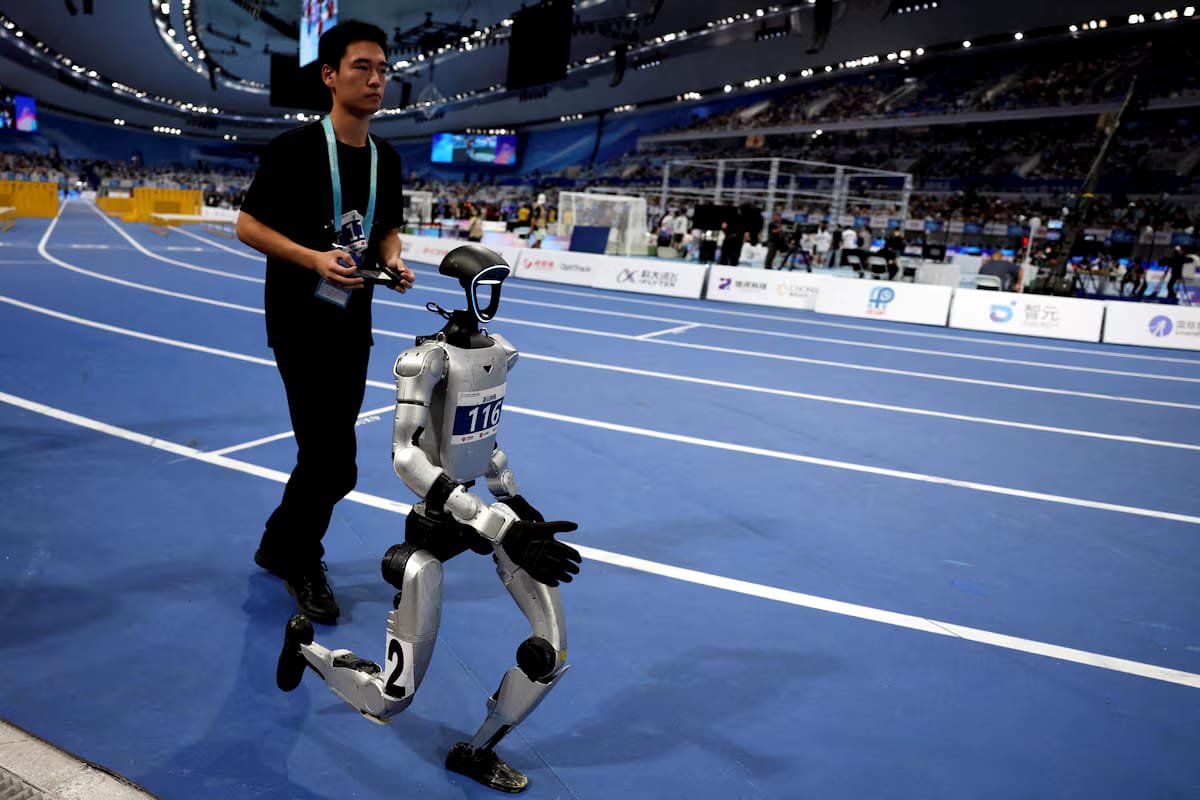
HONG KONG/SHANGHAI — Unitree shares steadied on Tuesday after three consecutive sessions of declines, but the roughly 45% retreat from their debut peak has intensified concerns that enthusiasm for artificial intelligence and robotics may have pushed the company’s valuation far beyond its underlying business performance.
Key Highlights
- Unitree shares have lost about 45% from their peak following a more than fivefold jump on their Shanghai debut.
- The company’s valuation briefly reached $66 billion before falling by about $30 billion.
- Analysts have raised concerns about China’s IPO pricing mechanism and the risks faced by retail investors.
- Unitree’s adjusted net profit fell 53% to 40 million yuan in the first three months of 2026, according to its prospectus.
Unitree Shares Put China’s Robotics IPO Boom Under Pressure
Unitree, one of the world’s largest producers of quadruped and humanoid robots, finished its first trading day up 460%. That compared with an average first-day gain of 226% for newly listed Chinese stocks over the previous three years.
The reversal has made the listing a potential warning for other Chinese technology companies preparing to go public. Unitree’s debut was widely viewed as an important test for domestic robotics firms benefiting from China’s push for technological self-sufficiency.
Dong Baozhen, chairman of Beijing-based asset manager Lingtong Shengtai, said investors had been carried away by the technology revolution narrative and warned that bubbles eventually burst.
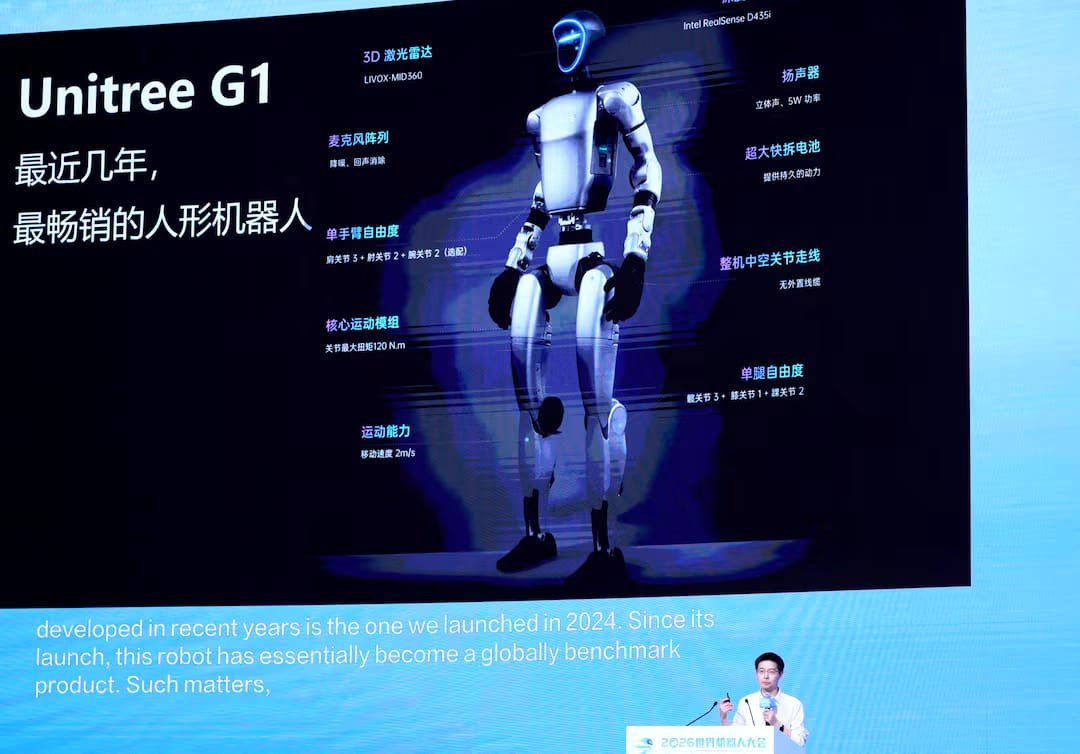
Unitree Shares Face Questions Over Valuation
The sharp swings in Unitree’s market value have drawn particular attention because the company’s financial performance has not matched the scale of its debut rally. Its valuation climbed to $66 billion at one stage before losing roughly $30 billion.
Unitree’s robots have attracted attention for capabilities including running, dancing and performing martial arts. However, the source material says the company has so far had limited success in securing broader commercial applications.
According to Unitree’s prospectus, adjusted net profit fell 53% to 40 million yuan ($5.95 million) in the first three months of 2026. The decline has added to questions about whether the market’s expectations moved too far ahead of current earnings.
China IPO Rules Draw Fresh Scrutiny
Some analysts argue that China’s listing mechanism can contribute to extreme price movements. Chinese stock exchanges vet companies seeking listings and provide guidance on IPO pricing, which can limit how freely investment banks respond to intense investor demand.
The company was fast-tracked onto Shanghai’s technology-focused STAR Market, a board reserved for hard-tech innovators in strategic industries. Analysts said that status may have reinforced perceptions of government support among investors seeking exposure to China’s technology drive.
The wider appetite for new technology listings is also visible in the performance of DRAM memory-chip maker CXMT. Its shares surged 466% on their Shanghai debut last month, while only 21 companies went public in Shanghai during the first seven months of the year, compared with 104 in Hong Kong.
Retail Investors Bear the Risk
Concerns have also focused on the impact of extreme IPO moves on smaller investors. Venture capitalist Abraham Zhang said loopholes in China’s IPO system can allow major shareholders to benefit while shifting risks toward investors trading shares in the secondary market.
Bankers cited in the source material also pointed to restricted short-selling and expectations of regulatory protection for smaller investors as factors that can reduce immediate market pressure on overpriced listings.
Not all market participants believe robotics valuations should be judged only by current profits. Gao Xingkun of China Southern Asset Management argued that many robot makers are still spending heavily on research while commercial orders have yet to emerge, comparing the industry’s development stage with China’s earlier electric-vehicle expansion.
The Unitree episode has nevertheless intensified debate over whether China’s IPO framework can support strategic technology companies without encouraging excessive speculation. For retail investors, the sharp reversal has highlighted how quickly enthusiasm around emerging technologies can translate into substantial market losses.
Financial news disclaimer: This article is based solely on the supplied source material and is for news and informational purposes, not investment advice.

Praveen Yadav is the Founder and Editor at The Nation Bulletin. With over 3 years of experience in digital journalism and news reporting, he covers national affairs, governance, and breaking current events with a commitment to factual accuracy and verified reporting.