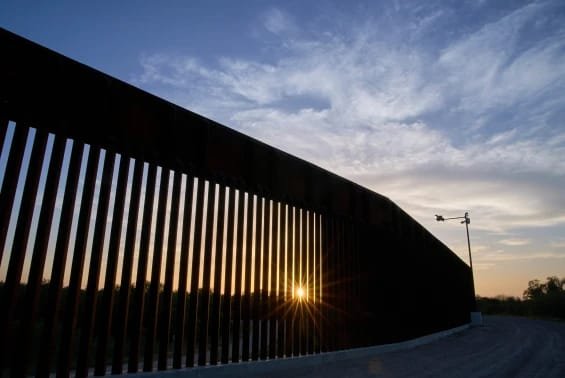
WASHINGTON, United States — A federal judge has cleared the Trump administration to continue taking steps toward building 62 miles of border wall along the U.S.-Mexico boundary across part of the Tohono O’odham Nation’s reservation in Arizona, rejecting the tribe’s request to temporarily halt the project.
- U.S. District Judge Richard Leon refused to block preparations for the planned 62-mile border wall.
- The Tohono O’odham Nation had argued that construction would damage tribal land and sacred sites.
- The judge said the tribe had not established that the project would alter reservation boundaries without congressional authority.
- The tribe said it disagreed strongly with the ruling and would consider further options.
Judge allows Trump administration border wall steps
Judge Richard Leon of the U.S. District Court in Washington, D.C., rejected the Tohono O’odham Nation’s request for a court-ordered halt to the border wall project on Friday.
The judge also rejected the tribe’s argument that the planned construction would amount to an unlawful trespass on its reservation. In his ruling, Leon said the government’s interests in border security, immigration enforcement and public safety outweighed the remaining irreparable harms alleged by the tribe at this stage.
Tribe raises concerns over sacred land
The Tohono O’odham Nation strongly disagreed with the decision. Chairman Verlon M. Jose said the tribe believed several important issues, including the potential effects of construction on tribal land and sacred locations, had not been adequately addressed.
The reservation covers approximately 2.8 million acres and shares 62 miles of boundary with Mexico. The tribe has more than 37,000 members, including thousands who live in Mexico.
Attorneys for the tribe argued that construction could cause significant damage to the reservation. They said the project could affect sacred mountain peaks, religious practices, natural resources and connections between O’odham communities and families located on opposite sides of the international border.
Dispute centers on the Roosevelt Reservation
A major issue in the case involves a strip of federal land established more than a century ago. In 1907, President Theodore Roosevelt issued a proclamation reserving a 60-foot-wide strip along the U.S.-Mexico border as a buffer zone known as the Roosevelt Reservation.
Lawyers for the Tohono O’odham Nation argued that it would be unrealistic to suggest the border wall could be restricted to that narrow corridor. The tribe maintains that the planned construction would have broader consequences for its reservation.
Judge calls case unusual
Leon indicated during a July 22 hearing that he was skeptical of the legal basis for granting the tribe’s request for a preliminary injunction. He described the request as extraordinary and said he could not identify an earlier court ruling involving comparable circumstances.
The judge characterized the dispute as a case involving novel legal questions. His ruling means the administration can continue the relevant steps toward the planned border wall while the broader legal dispute remains unresolved.
Tribe considers next steps
The Tohono O’odham Nation said the issue was too important to leave without further consideration. Jose said the tribe would examine all available options following the ruling.
The dispute therefore remains centered on the competing interests of federal border and immigration policy and the tribe’s concerns over sovereignty, land, cultural practices and sacred sites.
What happens next?
The Friday decision does not resolve all of the underlying disagreements surrounding the proposed border wall. The tribe is considering its options, while the administration has received permission from the court to continue moving forward at this stage.
Frequently Asked Questions
How much border wall is planned along the tribal reservation?
The proposed project involves approximately 62 miles of international border wall along the portion of the Tohono O’odham Nation’s Arizona reservation that borders Mexico.
Why is the Tohono O’odham Nation opposing the project?
The tribe has raised concerns about potential destruction of sacred sites, impacts on religious practices and natural resources, and disruption of connections between O’odham communities and families on both sides of the border.

Praveen Yadav is the Founder and Editor at The Nation Bulletin. With over 3 years of experience in digital journalism and news reporting, he covers national affairs, governance, and breaking current events with a commitment to factual accuracy and verified reporting.