The Trump administration has proposed making a $103,265 fee for new H-1B visas permanent, reviving a major legal and business dispute over the cost of hiring highly skilled foreign workers in the United States.
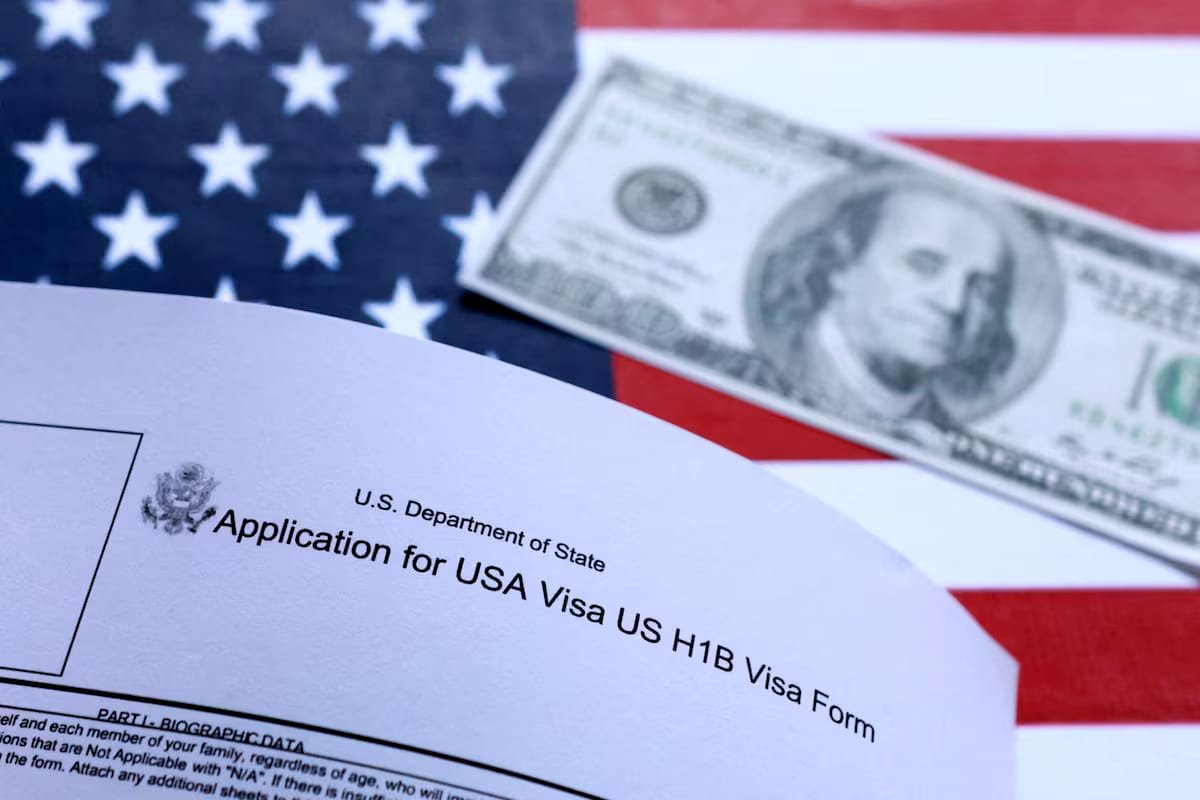
WASHINGTON, United States — The Trump administration has proposed formally codifying a $103,265 fee on new H-1B visas, extending a policy that was temporarily introduced last year but blocked by a federal judge. The proposal comes as the administration pursues a broader crackdown on immigration and employment-based visas.
Key Highlights
- The proposed H-1B visa fee would be set at $103,265 under a new Department of Homeland Security regulation.
- A federal judge ruled in June that the fee was unlawful and blocked the administration from collecting it.
- The fee would generally not apply to certain foreign students already in the United States or to H-1B visa renewals.
- Business groups, Democratic-led states, unions and employers are challenging the policy in court.
H-1B Visa Fee Could Rise to $103,265
The proposed regulation, published in the Federal Register on Monday, would establish a permanent fee of $103,265 for new H-1B visas. The administration could finalize the rule by the end of the year.
The proposal follows a temporary fee increase announced by Trump last year. That measure is scheduled to expire in September, one year after it was introduced.
Before the Trump administration’s increase, H-1B visas typically involved fees ranging from about $2,000 to $5,000, making the proposed charge a dramatic increase for employers seeking foreign workers.
Who Would Be Affected by the H-1B Visa Fee?
The H-1B program allows U.S. employers to hire foreign workers in specialty occupations. The programme provides 65,000 visas annually, along with another 20,000 for workers holding advanced degrees, with approved visas generally covering three to six years.
The proposed $103,265 charge would not apply to visas issued to foreign citizens already in the United States on student visas. It would also exclude renewals of existing H-1B visas.
Those exemptions are significant because foreign students represent a large share of new H-1B recipients, according to the supplied source material.
Businesses and Critics Clash Over H-1B Program
Trump and other critics argue that some companies misuse the H-1B system to replace American workers with lower-cost foreign labor. Business groups and companies, however, say the program helps employers address shortages of qualified U.S. workers and recruit highly skilled talent.
The scale of demand has also changed. Employers registered for about 344,000 H-1B visas last year, down more than 25% from 2024 and less than half the 794,000 registrations recorded in 2023, according to U.S. Citizenship and Immigration Services data cited in the source.
H-1B Fee Faces Continuing Legal Challenges
The proposed rule comes amid several legal challenges to the fee. The U.S. Chamber of Commerce, Democratic-led states and a coalition of unions and employers have challenged the administration’s authority to impose the charge.
A federal judge in June blocked collection of the fee after ruling that it was illegal. The administration is appealing that decision before a Boston-based appeals court, while another court is considering a separate challenge brought by a major business group.
The challengers argue that presidential authority over immigration does not permit the administration to override the law establishing the H-1B program. They also contend that the Department of Homeland Security cannot impose revenue-generating fees without authorization from Congress.
The administration disputes that argument, maintaining that the charge is not a traditional tax and that courts have limited authority to review the president’s power to restrict entry into the United States.
Broader Restrictions on H-1B Workers
The proposed permanent fee is part of a wider series of changes affecting H-1B workers. The administration has ordered enhanced screening of applicants and proposed a selection system that would favor workers with higher skills and salaries.
Earlier this month, the Department of Homeland Security separately proposed fees of up to $4,500 for certain applications involving H-1B workers seeking to extend their stay or transfer from employment based outside the United States.
The latest proposal now faces the regulatory and legal processes that will determine whether the $103,265 charge becomes a permanent feature of the H-1B system.
Legal news disclaimer: This article is based solely on the supplied source material and is for informational purposes; it does not constitute legal advice.

Praveen Yadav is the Founder and Editor at The Nation Bulletin. With over 3 years of experience in digital journalism and news reporting, he covers national affairs, governance, and breaking current events with a commitment to factual accuracy and verified reporting.