Canada has announced retaliatory tariffs on nearly C$27.6 billion worth of US goods while unveiling a C$7.5 billion support package for businesses and workers affected by the escalating trade dispute with Washington.
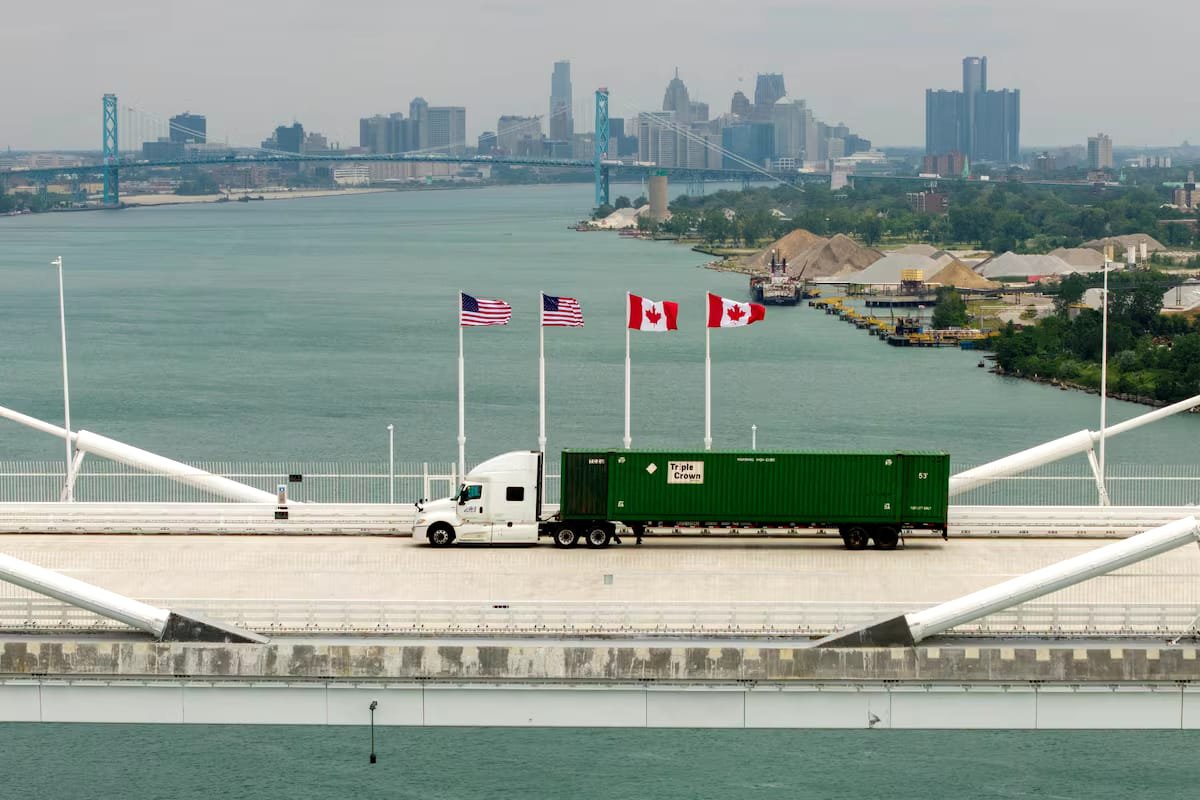
OTTAWA, Canada — Canada will impose new retaliatory tariffs on C$27.6 billion ($19.94 billion) of United States goods from September 8, matching the value of new US duties and escalating an already strained trade relationship between the two countries.
The counter-tariffs will apply rates of 15%, 25% and 50% across around 700 imported products, according to the Canadian government. Ottawa has also announced financial measures aimed at helping companies, workers and industries manage the impact of the new trade barriers.
Key Highlights
- Canada will impose tariffs worth C$27.6 billion on US goods from September 8.
- The new duties will range from 15% to 50% across approximately 700 products.
- Canada announced a C$7.5 billion package to support affected businesses, industries and workers.
- The measures follow new 50% US tariffs on $20 billion of Canadian imports after bilateral talks collapsed.
Canada announces dollar-for-dollar US tariffs
The Canadian government said its new tariffs are designed to match Washington’s latest duties dollar-for-dollar and rate-for-rate. The measures represent another escalation in the trade dispute between the two North American neighbours.
Canada’s Finance Minister François-Philippe Champagne said the counter-tariffs and accompanying support package were intended to protect workers, farmers, families and businesses from the effects of the escalating trade conflict.
Tariffs target hundreds of US products
The new Canadian duties will cover roughly 700 products imported from the United States. Different tariff rates will apply depending on the category of goods.
A 50% tariff will cover sectors including steel, aluminum, furniture and clothing. Cheese, appliances and some seafood will face duties of 25%, while electronics and tools will be subject to a 15% tariff.
A Canadian government official said the structure was designed to limit the impact on Canadian consumers and businesses while still creating pressure on US exporters.
Canada unveils C$7.5 billion support package
Alongside the tariffs, Ottawa announced C$7.5 billion in new and enhanced financial support measures for workers and industries affected by the trade dispute.
The package includes assistance for small and medium-sized businesses, funding aimed at helping companies manage cash flows and support for workers who could face risks because of the new tariffs.
The measures reflect the Canadian government’s effort to cushion domestic industries while responding to Washington’s latest trade action.
US-Canada trade tensions deepen
The latest measures follow the introduction of President Donald Trump’s new 50% tariffs on $20 billion of Canadian imports from Saturday. Negotiations between Ottawa and Washington aimed at preventing the duties from taking effect failed to produce an agreement.
The resulting tit-for-tat measures mark a further deterioration in relations between Canada and the United States, whose economies are closely connected through cross-border trade.
New tariffs take effect September 8
Canada’s retaliatory tariffs are scheduled to take effect on September 8. Until then, businesses on both sides of the border face continued uncertainty over the impact of the escalating duties on trade and supply chains.
Ottawa has said its combination of targeted tariffs and financial support is intended to defend Canadian interests while reducing the domestic economic impact of the dispute. The latest move now puts additional pressure on both governments as the trade confrontation enters a new phase.

Praveen Yadav is the Founder and Editor at The Nation Bulletin. With over 3 years of experience in digital journalism and news reporting, he covers national affairs, governance, and breaking current events with a commitment to factual accuracy and verified reporting.