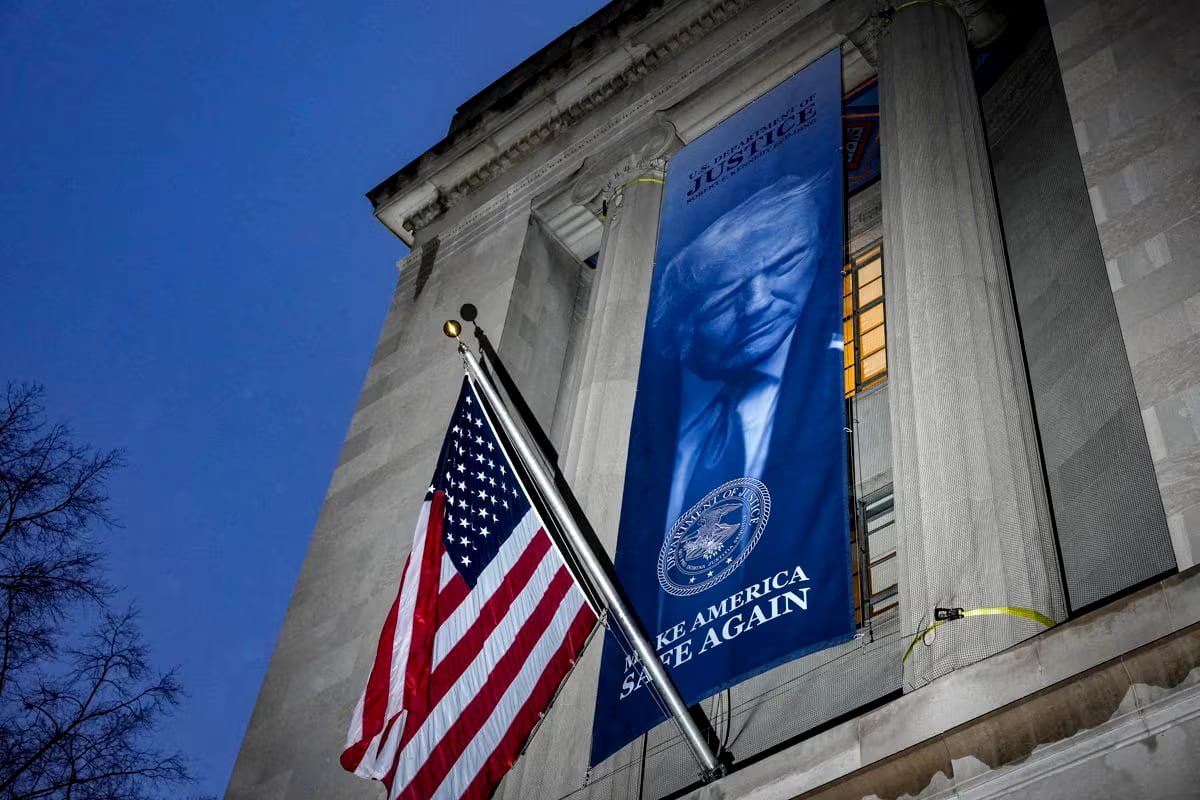
WASHINGTON, U.S. — The Trump administration has repeatedly described the fight against sex trafficking as a major Justice Department priority, but federal prosecutions have fallen sharply during the first half of 2026, according to a Reuters review of federal court records and interviews with current and former officials, prosecutors and victims’ advocates.
- Federal sex-trafficking charges fell to 73 people through June, the slowest pace since 2010.
- Staffing shortages and the reassignment of agents to immigration enforcement have disrupted investigations.
- Funding delays affecting victim-support organizations have added pressure to the enforcement system.
- Officials say human trafficking remains a Justice Department priority and that hiring efforts are underway.
Sex-trafficking prosecutions decline in 2026
Reuters found that the Justice Department charged 73 people with federal sex-trafficking offenses through June. That figure is about 22% below the number charged during the first half of each of the previous three years, based on the court records reviewed by Reuters.
The decline extends beyond sex trafficking. Federal prosecutors brought 1,230 child pornography cases through June, about 3% below the average for the same period during the previous three years. Charges under the Mann Act, which addresses interstate prostitution, stood at 318, down 18% from the comparable three-year average.
The figures form part of a broader reduction in federal criminal prosecutions unrelated to immigration. Reuters’ review showed such cases falling 7% through June to roughly 22,000, amid the administration’s emphasis on deportations and changes to federal law-enforcement priorities.
Staffing pressures disrupt trafficking investigations
Sex-trafficking investigations often require lengthy work involving financial records, evidence of psychological abuse and relationships with vulnerable victims. Former prosecutors and current agents told Reuters that personnel shortages are making that work increasingly difficult.
Seven former prosecutors familiar with these cases said dozens of experienced Justice Department attorneys have recently departed. Agents also described situations in which sex-trafficking investigations could not move forward because prosecutors were unavailable.
Some Homeland Security Investigations agents have also been reassigned to immigration-related duties. Former prosecutors and agents told Reuters that these changes have left some active trafficking investigations effectively frozen and reduced the number of new cases being opened.
Jacqueline Kelly, a former federal prosecutor who led the prosecution of Sean “Diddy” Combs, argued that a declared priority requires adequate resources to support it.
“You can’t say something is a priority and then not provide the resources to make that happen.”
The FBI said agents transferred to immigration work had previously handled areas including sex trafficking and that their reassignment did not remove their responsibility to investigate such crimes. The agency did not comment on whether the transfers contributed to the prosecution decline.
Victim-support funding faces delays
The enforcement challenge is also affecting organizations that help trafficking survivors remain stable while cooperating with investigators. The Justice Department’s Office of Justice Programs typically distributes about $90 million each year through grants supporting emergency housing, food and mental-health services for trafficking victims.
Some nonprofit organizations told Reuters that grants had been delayed or frozen as the administration pursued federal spending reductions. Stanley Woodward, the associate attorney general, said most grants from the previous year had been awarded and that remaining applications were being reviewed against administration priorities.
Alan Smyth of Los Angeles-based Saving Innocence said two federal grants worth a combined $700,000 were delayed for nearly a year. Other organizations told Reuters that funding losses had forced them to reduce or discontinue certain services.
Immigration enforcement creates trust concerns
Victim cooperation is particularly important in trafficking cases, but immigration enforcement has created additional concerns among advocates and attorneys. Historically, federal prosecutors have supported T-visa applications that can provide trafficking victims with legal immigration status while they cooperate with authorities.
Department of Homeland Security data reviewed by Reuters showed 354 T-visas approved during the first six months of the current fiscal year. That is roughly half the typical pace recorded over the previous decade, while more than 71,000 applications remain pending.
Two former prosecutors said their U.S. Attorney’s offices had stopped supporting T-visa applications. National coordinator for child exploitation and human trafficking Alessandra Serano said prosecutors and paralegals continue working with DHS to verify victims’ cooperation, while DHS makes the final visa decisions.
Immigration attorneys also told Reuters that some people cooperating with trafficking investigations had been detained by immigration authorities. Advocates say such incidents can make vulnerable victims less willing to approach federal investigators.
Justice Department says trafficking remains a priority
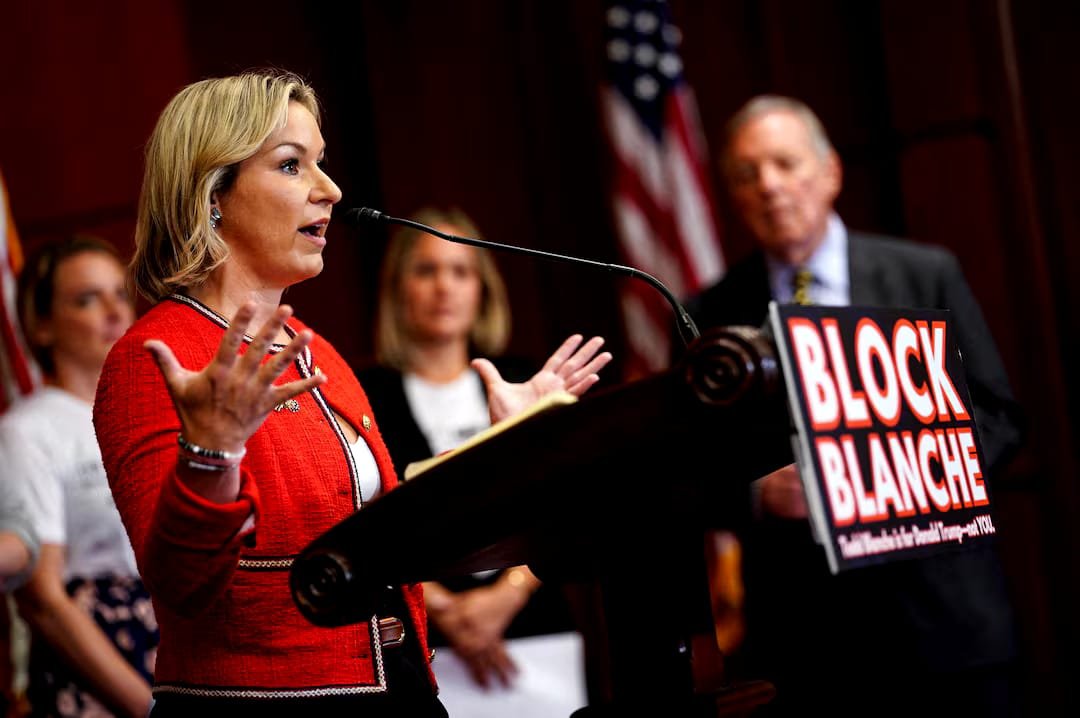
Attorney General Todd Blanche recently told Congress that combating human trafficking remains a Justice Department priority because of the severity of the harm involved. The administration has also appointed Serano, a career prosecutor, as national coordinator for child exploitation and human trafficking.
Serano said the prosecution decline could partly reflect prosecutors and investigators spending substantial time handling existing cases, reducing their capacity to initiate new investigations. She also said attrition is common in trafficking work because such cases can take a significant toll on personnel and added that the department is hiring.
The Department of Homeland Security similarly said it remains committed to immigration and sex-crime enforcement and described its approach as focused on dismantling human-trafficking networks.
What the data indicates
Reuters obtained federal criminal court dockets covering two decades to assess sex-crime enforcement. Artificial intelligence was used in some cases to classify charges, and a random review of records produced a reported 98% accuracy rate.
The court-record data also showed a longer-term decline in federal sex-trafficking cases over the past decade. Former officials attributed part of that trend to the Justice Department’s increased focus on complex prosecutions involving high-profile offenders.
Frequently Asked Questions
Why are sex-trafficking cases difficult for federal investigators?
These investigations can require extensive evidence gathering, financial tracing and sustained cooperation from victims who may be dealing with trauma, unstable housing or other vulnerabilities.
What is the concern surrounding T-visas?
T-visas can provide eligible trafficking victims with legal immigration status and have historically been used as part of the process encouraging victims to cooperate with law enforcement. Reuters reported a slower approval pace this fiscal year and a large backlog of applications.
What happens next
The Justice Department says it is hiring personnel and maintaining human trafficking as a priority, while officials also point to the workload associated with existing investigations. At the same time, former prosecutors, agents and advocates interviewed by Reuters warn that the combined effects of staffing changes, funding constraints and weakened victim trust could make rebuilding federal trafficking enforcement a lengthy process.

Praveen Yadav is the Founder and Editor at The Nation Bulletin. With over 3 years of experience in digital journalism and news reporting, he covers national affairs, governance, and breaking current events with a commitment to factual accuracy and verified reporting.