The United States has said that the southern route through the Strait of Hormuz remains open and accessible to commercial shipping despite what it described as continued Iranian aggression in the region. According to the US Central Command (CENTCOM), American forces have helped more than 1,000 commercial vessels safely transit the strategic waterway during the past three months, underscoring Washington’s commitment to maintaining freedom of navigation in one of the world’s most critical maritime corridors.
The statement was issued by CENTCOM on Tuesday (local time) as geopolitical tensions surrounding the Strait of Hormuz continue to draw international attention. The narrow waterway serves as a vital route for global energy supplies, making any disruption to maritime traffic a matter of worldwide economic and security concern.
CENTCOM Reaffirms Commitment to Maritime Security
In a post shared on X, the US Central Command said commercial vessels continue to use the southern shipping route through the Strait of Hormuz without interruption. The command stated that US military forces have actively supported merchant ships navigating the international waterway despite what it termed “unwarranted Iranian aggression.”
“The southern route through the Strait of Hormuz remains free and open for all commercial vessels seeking to transit the international waterway. Over the past three months, U.S. forces have assisted more than 1,000 vessels in successfully transiting the strait despite unwarranted Iranian aggression, and these transits continue today,” CENTCOM said.
The announcement reflects Washington’s position that international shipping should continue to move freely through the Strait of Hormuz under established principles of international maritime law. The US has repeatedly emphasised the importance of protecting commercial navigation in the region, particularly as tensions with Iran remain elevated.
Strategic Waterway Remains at the Centre of Regional Tensions
The Strait of Hormuz is among the busiest maritime chokepoints in the world, carrying a substantial share of global crude oil and liquefied natural gas shipments. Any uncertainty surrounding access to the waterway has the potential to affect international energy markets and global trade.
Recent developments have intensified diplomatic exchanges between Washington and Tehran over navigation rights in the strait. While the United States maintains that commercial vessels should enjoy unrestricted access through international waters, Iranian officials have continued to challenge aspects of Washington’s position regarding the management of shipping routes.
US Official Says No Permits or Fees Required
Earlier, a US official told Al Jazeera that any temporary shipping routes through the Strait of Hormuz would remain open without requiring permits, approvals or transit fees. According to the official, no individual country exercises exclusive control over the international shipping lanes used by commercial vessels travelling through the strategic passage.
The remarks were presented as part of Washington’s broader effort to reassure the global shipping industry that commercial navigation can continue without additional administrative restrictions despite the ongoing regional tensions.
Iran Rejects US Position on Navigation
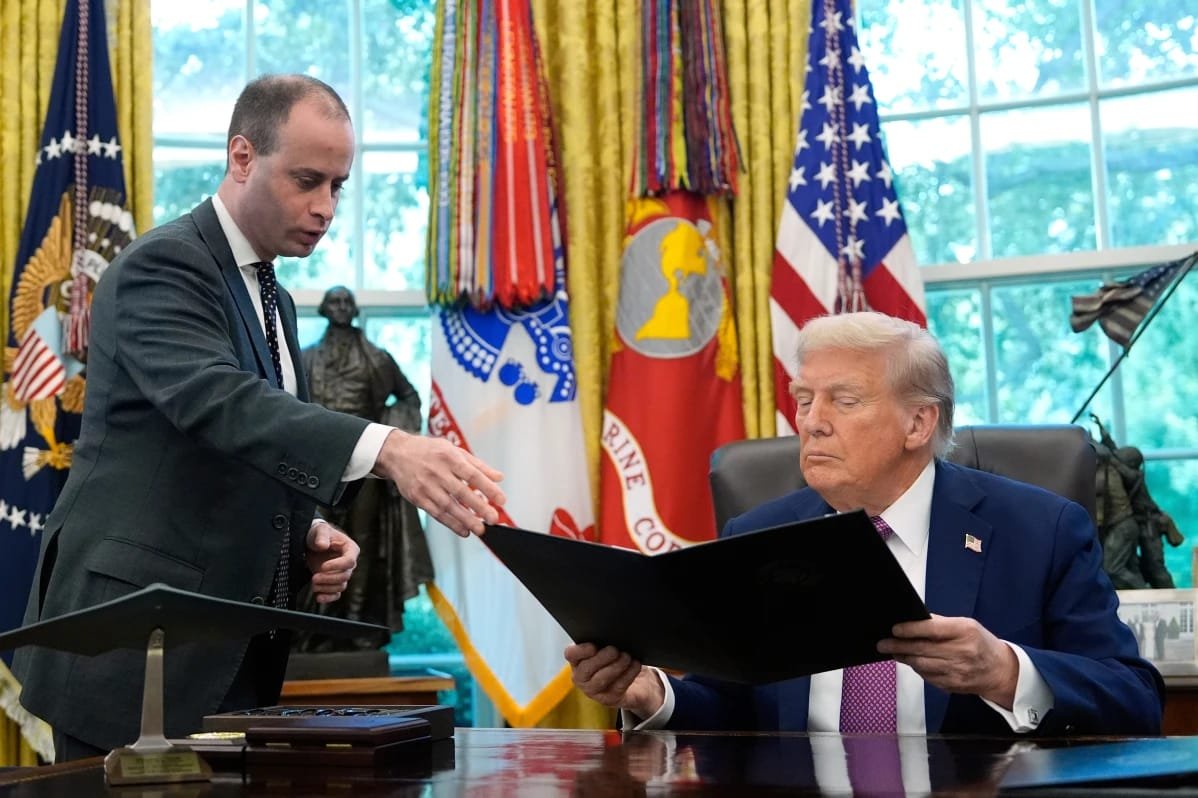
The latest US statements prompted a response from senior Iranian military adviser Mohsen Rezaee, who rejected comments made by US President Donald Trump regarding the reopening of the Strait of Hormuz. According to Iran’s Press TV, Rezaee said Tehran would not permit shipping routes through the strategic waterway other than those designated by Iranian authorities.
He also alleged that the United States had violated a previous memorandum of understanding related to the Strait before launching military attacks. Rezaee further warned that US warships using what he described as unauthorised routes would be considered potential targets, highlighting the continuing differences between the two countries over maritime operations in the Gulf region.
Trump Says Talks Aim to Fully Reopen Strait of Hormuz
Amid the ongoing tensions, US President Donald Trump said discussions are underway to “completely” reopen the Strait of Hormuz for unrestricted commercial navigation. According to the ANI report, Trump described restoring normal maritime traffic as the first phase of broader negotiations involving Iran.
The US President also indicated that a second phase of discussions would focus on Iran’s nuclear programme. Reiterating Washington’s long-standing position, Trump said Iran “cannot have a nuclear weapon,” linking maritime security and broader regional stability to future diplomatic efforts.
Iran Denies Any Negotiations with Washington
Despite Trump’s remarks, Iran has rejected suggestions that bilateral talks are taking place. Iranian Foreign Ministry spokesperson Esmail Baghaei denied reports of direct or indirect negotiations with the United States, maintaining that Tehran is not engaged in discussions with Washington.
The differing public statements from the two sides highlight the continued diplomatic divide over both maritime security in the Strait of Hormuz and broader issues surrounding Iran’s nuclear programme. While the United States has spoken of ongoing discussions, Iranian officials have maintained that no such negotiations are taking place.
Global Importance of the Strait of Hormuz
The Strait of Hormuz remains one of the world’s most strategically important maritime passages, connecting the Persian Gulf with the Gulf of Oman and the Arabian Sea. A significant portion of global oil and liquefied natural gas exports passes through the narrow waterway each day, making uninterrupted navigation critical for international energy markets and global trade.
Because of its economic and strategic importance, developments in the Strait are closely monitored by governments, shipping companies and energy markets worldwide. Any disruption to commercial traffic has the potential to influence freight movements, insurance costs and energy prices across multiple regions.
Maritime Security Continues to Dominate Regional Discussions
The latest statements from the United States and Iran underscore the continuing sensitivity surrounding maritime security in the Gulf region. While CENTCOM maintains that commercial shipping continues to move safely through the southern route with assistance from US forces, Iranian officials continue to assert their own position regarding navigation and control of shipping routes.
As diplomatic differences persist, the safety of commercial vessels remains a central concern for countries that depend on the Strait of Hormuz for trade and energy transportation. The United States has reaffirmed its commitment to supporting freedom of navigation, while Iran has continued to challenge aspects of Washington’s approach to the strategic waterway.
With regional tensions remaining elevated, international attention is expected to stay focused on developments in the Strait of Hormuz, where secure maritime transit remains essential for global commerce and energy security.

Praveen Yadav is the Founder and Editor at The Nation Bulletin. With over 3 years of experience in digital journalism and news reporting, he covers national affairs, governance, and breaking current events with a commitment to factual accuracy and verified reporting.