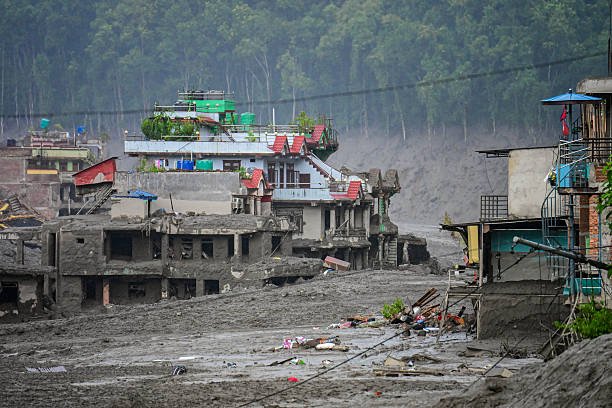
Yemen War 2026: Yemen is once again on the brink of a major conflict as the Houthi movement resumes military operations after nearly four years of relative calm. Recent missile and drone attacks on Saudi-linked vessels in the Red Sea, along with renewed clashes between Houthi fighters and forces aligned with Yemen’s internationally recognised government, have raised fears that the country could slide back into full-scale war. While the Houthis remain one of the strongest armed groups in the region, military analysts believe the strategic landscape has changed significantly since the 2022 truce. Political realignments, stronger coordination among anti-Houthi factions, and increasing regional involvement could make this conflict very different from previous rounds of fighting.
Yemen War 2026: Houthis Resume Military Operations
Yemen War 2026 entered a new phase after the Houthis claimed responsibility for missile and drone attacks targeting Saudi-linked ships in the Red Sea. At the same time, intense fighting broke out in Yemen’s Dhale governorate between Houthi forces and government-backed troops, leaving casualties on both sides. These incidents indicate that the Houthis have moved beyond political statements and mobilisation, returning to active military operations on multiple fronts.
Yemen War 2026 comes after years of battlefield experience for the Houthis, who have survived campaigns launched by the Yemeni government, the Saudi-led coalition, the United States, the United Kingdom and Israel. Despite years of air strikes and economic pressure, the group continues to control Yemen’s densely populated northwest, including the capital, Sanaa. However, experts believe that maintaining this dominance could become increasingly difficult if the conflict expands.
Yemen War 2026: Stronger Unity Among Anti-Houthi Forces
Yemen War 2026 differs from previous years because the anti-Houthi camp appears more coordinated. During the early years of the war, divisions within Yemen’s internationally recognised government and disagreements between Saudi Arabia and the United Arab Emirates weakened military operations against the Houthis. Those internal rivalries often allowed the Houthis to strengthen their territorial control.
Yemen War 2026 now presents a different picture. Political coordination within the Presidential Leadership Council has reportedly improved, while Saudi Arabia has become the dominant regional actor supporting various anti-Houthi factions. Analysts believe this greater unity could help government forces plan more effective military campaigns and reduce the operational advantages previously enjoyed by the Houthis.
Yemen War 2026: Saudi Arabia Takes a Larger Role
Yemen War 2026 has also seen Saudi Arabia increase its influence over military planning and coordination inside Yemen. Following changes in regional alliances and reduced Emirati involvement in some areas, Riyadh has focused on strengthening cooperation among government-aligned forces. This shift may improve battlefield coordination if a wider conflict breaks out.
Yemen War 2026 could therefore become more challenging for the Houthis than earlier campaigns, as their opponents appear better organised and supported than they were before the 2022 ceasefire.
Yemen War 2026: Red Sea Security Becomes a Global Concern
Yemen War 2026 is not only a domestic conflict but also an international security issue. The Bab al-Mandeb Strait and the Red Sea are among the world’s busiest maritime trade routes, carrying significant volumes of global oil shipments and commercial cargo. Any disruption to shipping in this region could affect international trade, energy supplies and freight costs across multiple continents.
Yemen War 2026 has already triggered discussions among regional governments about expanding maritime security cooperation. Experts suggest that if attacks on commercial shipping continue, new multinational naval partnerships could emerge to protect critical shipping lanes and deter further strikes.
Yemen War 2026: Tribal Opposition Creates New Challenges
Yemen War 2026 has also witnessed the emergence of an anti-Houthi tribal movement in Al-Jawf province. Thousands of tribal members reportedly gathered to protest against Houthi authorities after the detention of a prominent tribal leader. Political observers believe this development could become one of the most significant internal challenges the Houthis have faced in recent years.
Yemen War 2026 may see these tribal groups cooperate more closely with government forces if hostilities intensify. Such cooperation could increase military pressure on multiple fronts and reduce the Houthis’ freedom of movement in northern Yemen.
Yemen War 2026: Houthis Still Possess Significant Military Strength
Yemen War 2026 should not be interpreted as a conflict where the Houthis have become weak. The group continues to possess a large fighting force, extensive combat experience, fortified defensive positions, and advanced missile and drone capabilities developed during years of conflict. These assets remain major advantages despite changing political conditions.
Yemen War 2026 analysts caution that even if anti-Houthi forces have improved their coordination, transforming those improvements into decisive battlefield victories will require sustained regional support, unified command structures and long-term military planning.
Yemen War 2026: International Response and Future Outlook
Yemen War 2026 has drawn renewed international attention following the latest attacks in the Red Sea. The United States has warned of possible military consequences if shipping routes continue to be targeted, while regional governments remain concerned about the impact on maritime security and energy supplies.
Yemen War 2026 now stands at a critical crossroads. The coming weeks will determine whether the latest escalation develops into another prolonged civil war or whether diplomatic efforts can prevent a wider regional conflict. Although anti-Houthi forces appear stronger than they were before the 2022 truce, military experts agree that the outcome remains highly uncertain because the Houthis still retain significant strategic and military advantages.

Praveen Yadav is the Founder and Editor at The Nation Bulletin. With over 3 years of experience in digital journalism and news reporting, he covers national affairs, governance, and breaking current events with a commitment to factual accuracy and verified reporting.